
Navigating Lending Options with Bad Credit: A Comprehensive Guide
Discover effective strategies and alternative lending options for individuals with poor credit. Learn how credit unions, online lenders, P2P platforms, and personal networks can help you access much-needed funds, along with tips to improve your credit score over time. This comprehensive guide offers insights into managing bad credit and securing loans responsibly, ensuring you can navigate financial challenges confidently with the right approach.
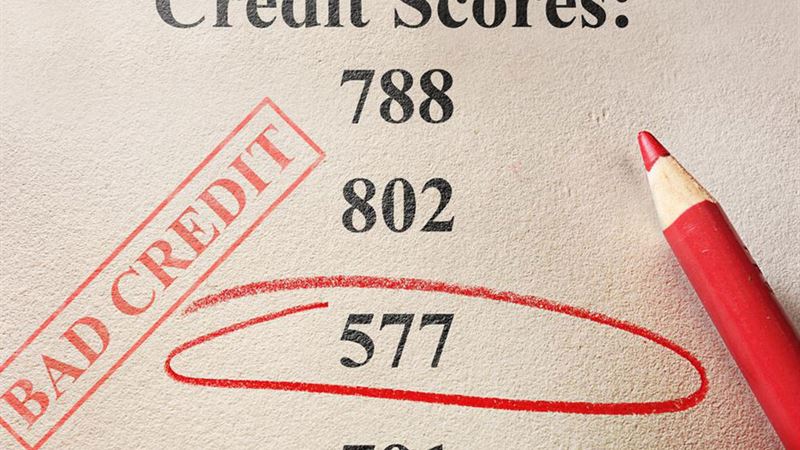
Improving your credit score is the most effective way to qualify for a broader range of lending options. However, this process requires patience, often taking months or even years to see substantial changes. Meanwhile, those with subpar credit have alternative pathways to secure necessary funds, each with specific criteria and advantages.
- Credit Unions – These member-centric financial cooperatives often provide more flexible lending criteria compared to traditional banks. Since they are smaller, they tend to consider the overall financial picture, including income and employment status. Notably, they typically charge lower interest rates and fees, making them an attractive option for borrowers with poor credit.
- Online Lending Platforms – Digital lenders have revolutionized borrowing by offering streamlined application processes and rapid approval. These platforms allow borrowers to compare multiple loan offers, assessing interest rates, repayment terms, and associated fees easily. The eligibility requirements tend to be less rigorous, providing access to credit even for those with bad credit scores. This flexibility makes online lenders a popular choice for quick financing needs.
- Peer-to-Peer (P2P) Lending – P2P lending networks connect individual borrowers with individual investors. This decentralized approach often results in more competitive interest rates compared to traditional banks, especially for borrowers with lower credit scores. P2P platforms evaluate borrowers differently, sometimes placing greater emphasis on other factors beyond just credit scores such as income or employment stability, offering an alternative for those who struggle to qualify through conventional means.
- Borrowing from Friends and Family – When traditional financial institutions refuse to lend, personal networks can be a lifeline. Lending from family or friends usually involves minimal or no interest, flexible repayment terms, and little paperwork. Though it can strengthen personal relationships if managed responsibly, it’s crucial to formalize such agreements to avoid misunderstandings.
While these options can help bridge financial gaps, the ultimate goal should be to improve your credit profile over time. Consistently paying bills on time, reducing existing debt, and maintaining a low credit utilization ratio are key strategies. Managing credit responsibly and making informed financial decisions can gradually elevate your creditworthiness. Remember, bad credit isn’t permanent; with sustained effort, your credit score can improve, unlocking more favorable loan options in the future.