
Navigating Loan Options for Individuals with Poor Credit Histories
Despite having a poor credit score, individuals can still access loans through a variety of channels such as local banks, online lenders, and peer-to-peer platforms. Understanding your options and preparing thoroughly increases the likelihood of approval. Technological innovations have simplified the lending process, making borrowing more accessible for those with challenging credit histories. Building or rebuilding credit remains crucial for long-term financial health. This comprehensive guide explores strategies to secure loans despite a less-than-ideal credit profile, helping you achieve your financial goals effectively.
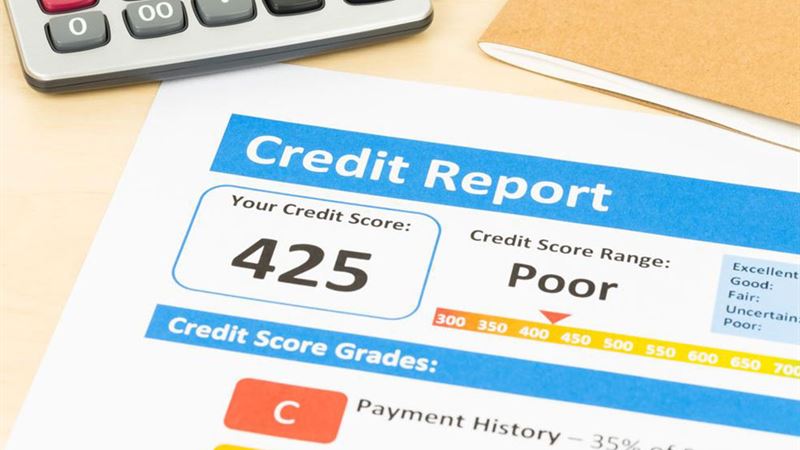
Securing a loan with a poor or damaged credit score is often viewed as a challenging process, primarily because most lenders associate bad credit with higher risk. However, having a less-than-perfect credit history does not completely close the door on accessing vital financial resources. Whether you need a personal loan for emergencies, debt consolidation, or other financial needs, understanding your options and the best strategies can greatly improve your chances of success.
Understanding What Bad Credit Means
Bad credit generally refers to a credit score that falls below the threshold considered acceptable by traditional lenders. This can range from a score of 300 to 629 depending on the credit scoring system used. Factors contributing to poor credit include missed payments, defaults on loans, high debt-to-income ratios, or lack of credit history altogether.
Many individuals develop poor credit due to circumstances beyond their control, such as unforeseen financial hardships, medical emergencies, or economic downturns. Others might have a history of late payments or Defaulting on loans which leads to a damaged credit profile. Regardless of the reason, it’s important to recognize that a poor credit score is not an insurmountable barrier but rather a challenge that requires strategic approaches to overcome.
Common Causes of Poor or Bad Credit
- Missed or late payments: Consistently failing to pay bills on time significantly impacts credit scores.
- Defaults on existing loans: Defaulting on personal loans, student loans, or credit cards can damage credit history persistently.
- High debt levels: Excessive outstanding balances relative to available credit limits can result in a lower score.
- No credit history: New borrowers or those who have not used credit before often face difficulty in obtaining loans due to lack of data.
- Financial hardship: Unexpected job loss, medical issues, or other emergencies can temporarily or permanently impact creditworthiness.
Strategies for Securing a Loan with Poor Credit
Despite the challenges, there are viable pathways to obtaining a loan even if your credit history is less than ideal. The key is understanding the options available and preparing accordingly.
Step 1: Begin with Your Local Bank or Credit Union
If you are already a customer of a bank or credit union, start by consulting with your relationship manager or loan officer. Banks tend to offer more favorable terms to existing clients, especially if you've maintained a good banking relationship. You may qualify for unsecured personal loans, especially if you have a steady income and low overall debt.
Step 2: Explore Specialized Lending Institutions
Some financial institutions focus specifically on providing loans to individuals with poor credit scores. These lenders assess your application based on a broader set of criteria beyond just your credit score. Factors such as your employment history, income stability, and assets are taken into account.
Step 3: Consider Online Lending Platforms
In recent years, online lenders have gained popularity due to their convenience and quick processing times. These lenders often accept applicants with lower credit scores and can offer more flexible repayment options. The application process is typically user-friendly, requiring minimal paperwork, and approval can be much faster than traditional banks.
Step 4: Peer-to-Peer Lending
Peer-to-peer (P2P) lending platforms connect borrowers directly with individual investors willing to fund loans. These platforms utilize advanced data analytics, artificial intelligence, and innovative algorithms to evaluate a borrower's creditworthiness beyond traditional credit scores. They look into various data points such as income, expenditure patterns, educational background, assets, and investments to make informed decisions.
Advantages of P2P Lending
- Potentially lower interest rates due to competitive bidding
- Greater leniency on credit score requirements
- More personalized customer service compared to traditional banks
- Quick application and approval process
Impact of Technology on Lending
The technological revolution has significantly transformed the lending landscape, making it easier for individuals with poor or no credit history to access funds. Secure online payment gateways allow seamless transfer of funds, often within hours after approval. Digital data collection and analysis enable lenders to assess borrowers more holistically, reducing reliance solely on credit scores.
Preparing to Apply for a Loan
Before applying, gather all relevant documents such as proof of income, identification, bank statements, and proof of assets. Be transparent about your financial situation and ensure your application reflects a realistic repayment plan. Remember to compare offers from multiple lenders to find the best interest rates and terms.
Additional Tips for Improving Borrowing Prospects
- Clear existing debts where possible, to improve your debt-to-income ratio
- Correct inaccuracies on your credit report before applying
- Consider a co-signer with good credit to improve approval chances
- Start rebuilding your credit by paying bills on time and reducing existing debts
Conclusion
Although obtaining a loan with poor credit may seem daunting, various avenues exist to secure the funding you need. By exploring traditional banks, specialized lenders, online platforms, and peer-to-peer networks, you can find a solution tailored to your financial situation. Leveraging technological advances, maintaining transparency, and preparing thoroughly can substantially increase your chances of approval. Remember, improving your credit over time is also essential for better financial opportunities in the future.