
Understanding Muscle Spasms: Causes, Prevention, and Effective Remedies
Muscle spasms are sudden, involuntary contractions causing discomfort. This comprehensive guide explores their causes, prevention tips, and effective remedies. Learn how hydration, stretching, and lifestyle choices can help you avoid and manage cramping. Recognizing symptoms early ensures timely treatment, especially for persistent or severe spasms linked to underlying health conditions. Incorporate practical advice like heat application, massage, and proper sleep to keep muscles healthy and reduce cramping episodes. Empower yourself with knowledge to minimize discomfort and maintain an active, pain-free life.
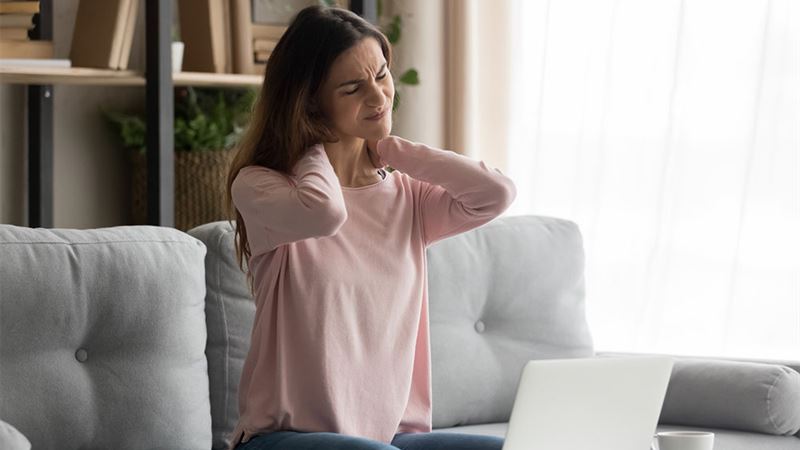
Muscle spasms, also known as cramping, are involuntary muscle contractions that can happen unexpectedly and cause significant discomfort. They are a common issue affecting individuals across all age groups and activity levels. These sudden muscle tightenings can occur at any time, including during rest or while engaging in physical activity, often leaving the affected person seeking immediate relief. Understanding the underlying causes of muscle spasms is crucial in managing and preventing them effectively. This comprehensive guide offers detailed insights into the reasons behind muscle spasms, ways to prevent them, and tips on how to manage spasms if they occur.
Muscle spasms frequently strike during physical exertion, especially if the muscles are overused or inadequately warmed up. Athletes and active individuals are more prone because intense or prolonged exercise can exhaust muscle fibers and lead to spasms. Additionally, not properly stretching before engaging in physical activity increases the risk of cramping. Muscle fatigue, dehydration, and electrolyte imbalances—like deficiencies in potassium, magnesium, calcium, or sodium—are predominant factors that contribute to muscle spasms. These minerals play vital roles in muscle contraction and relaxation. A deficit often results from excessive sweating, dehydration, or certain health conditions like kidney dysfunction or electrolyte disorders.
Neurogenic issues also contribute to muscle spasms. Damage or irritation to peripheral nerves can result in abnormal nerve signaling, causing muscles to twitch or spasm involuntarily. Nerve compression or injury can lead to persistent muscle twitching and painful contractions, especially in the limbs. Furthermore, medical conditions such as diabetes, multiple sclerosis, or neurological disorders can increase the likelihood of experiencing spasms. Recognizing the symptoms and triggers associated with nerve-related spasms is essential to seek appropriate treatment and prevent complications.
Another common trigger for muscle cramps is muscle overexertion. Engaging in high-intensity exercise without proper preparation can lead to muscle exhaustion and spasms. For example, during vigorous activities like running, cycling, or weightlifting, muscles may contract suddenly due to fatigue. Insufficient oxygen supply to muscles, often caused by inadequate circulation or breathing issues, can also precipitate spasms. The pain of a spasm is typically sharp, tight, and localized, often accompanied by stiffness and tenderness in the affected area.
Most muscle spasms are temporary, lasting only a few seconds to a few minutes. Typically, they do not cause lasting damage to muscles or joints. However, if cramps persist beyond 15 minutes, recur frequently, or are accompanied by severe pain or swelling, it is vital to seek medical advice. Persistent or severe spasms may signal underlying health problems requiring professional diagnosis and treatment. Additionally, if spasms occur alongside symptoms like weakness, numbness, or difficulty moving, immediate medical attention should be sought.
When experiencing a muscle spasm, several effective remedies can help alleviate discomfort and promote recovery. Resting the affected muscle is the first step. For leg cramps, elevating the limb and avoiding strenuous activity can reduce strain. If the spasm is in the back or neck, lying down with proper support, such as pillows between knees or under the head, can ease tension and facilitate breathing. Applying heat through warm packs or soaking in a hot bath relaxes tense muscles and reduces pain. Gentle stretching of the muscle, performed carefully, can prevent the spasm from worsening and help restore normal muscle length.
Hydration is a crucial aspect of both preventing and relieving muscle spasms. Drinking plenty of water helps flush out toxins, maintain electrolyte balance, and keep muscles functioning optimally. For individuals prone to cramps, electrolyte-rich drinks may be beneficial, especially after intense exercise or excessive sweating. Regular stretching routines, particularly before and after physical activity, enhance muscle flexibility and reduce the likelihood of cramps. Simple stretching exercises, such as calf stretches, hamstring stretches, and gentle back stretches, can significantly reduce spasm risk.
Identifying and avoiding triggers that induce muscle cramps is a proactive strategy. Common triggers include dehydration, electrolyte imbalances, strenuous or repetitive movements, stress, and certain dietary factors like caffeine or alcohol. Managing stress through relaxation techniques such as deep breathing, meditation, or yoga can also help prevent spasms. Wearing comfortable, loose-fitting clothing minimizes unnecessary pressure on muscles and blood vessels, reducing the chance of cramping during daily activities. Staying aware of your body’s signals and responding promptly when signs of fatigue or discomfort appear can prevent full-blown spasms.
Massage therapy is an effective approach to relieving muscle cramps. Gentle massage helps increase blood flow to the affected area, reduce inflammation, and relax muscle fibers. Using massage oils or lotions can enhance the experience and provide additional relief. Incorporating massage into your routine, especially after workouts or prolonged activity, can prevent future spasms. Additionally, self-massage or the use of foam rollers can target specific muscle groups prone to cramping, such as calves, thighs, or neck muscles.
Prevention strategies are key to managing muscle spasms, particularly if you experience chronic or frequent cramps. Simple lifestyle adjustments can make a significant difference. Avoiding tight clothing that constricts circulation reduces pressure on muscles and nerves. Maintaining proper hydration, especially during hot weather or after exercise, helps sustain electrolyte levels. Getting sufficient sleep supports muscle recovery and reduces stress-induced spasms. Incorporating regular stretching and conditioning exercises into your routine enhances muscle flexibility and resilience. For those with underlying medical conditions, managing health issues effectively with a healthcare provider’s guidance is essential for preventing spasms.
In cases of recurrent or severe muscle cramps, consulting a healthcare professional is advisable. They may recommend blood tests or nerve conduction studies to identify underlying conditions like electrolyte imbalances, nerve damage, or metabolic disorders. Your doctor might prescribe supplements, physical therapy, or medications to address specific causes. In some situations, ongoing management may involve lifestyle modifications, prescription drugs, or specialized treatments to keep muscle spasms under control and improve quality of life.
In conclusion, muscle spasms are common but manageable occurrences that can significantly impact daily life. Understanding their causes—ranging from dehydration and overexertion to nerve issues—allows for effective prevention and treatment. Adopting healthy habits such as staying hydrated, stretching regularly, wearing comfortable clothing, and managing stress can greatly reduce the frequency of cramps. Recognizing when to seek medical attention ensures underlying health issues are addressed promptly, preventing potential complications. By integrating these strategies, individuals can maintain healthy muscles, reduce discomfort, and enjoy an active lifestyle without the interruption of painful spasms.