
Comprehensive Guide to Muscle Spasms: Causes, Symptoms, and Effective Home Solutions
Discover comprehensive insights into muscle spasms, including common causes and effective home remedies. Learn how stretching, massage, cold and warm therapy, and nutritional support can help relieve pain quickly. This detailed guide emphasizes preventive measures and when to seek medical help for better muscle health and comfort.
- Intensive Physical Activity: Engaging in strenuous exercise without proper warm-up or stretching can overload muscles, leading to spasms. Overuse of muscles during workouts, especially without adequate rest, often results in tightness and sudden contractions.
- Nutritional Deficiencies and Electrolyte Imbalance: Low levels of essential minerals like magnesium, potassium, calcium, and sodium disrupt muscle function, increasing the likelihood of spasms. Electrolyte imbalance can occur due to excessive sweating, dehydration, or poor diet.
- Dehydration: Not drinking enough fluids causes electrolyte depletion, which impairs muscle contractions and recovery, making spasms more probable.
- Poor Posture and Ergonomics: Sitting or standing with incorrect posture places uneven stress on muscles and joints, resulting in tension and spasms, particularly in the neck, shoulders, back, and legs.
- Extended Sitting or Standing: Remaining in the same position for prolonged periods, especially on hard surfaces like concrete floors, can cause muscle fatigue and spasms.
- Muscle Overuse and Fatigue: Repeatedly using the same muscle groups without adequate rest overworks the muscles, leading to tightness and spasms.
- Medical Conditions: Conditions like nerve compression, peripheral artery disease, or metabolic disorders may predispose individuals to muscle contractions and spasms.
Effective Home Remedies to Soothe Muscle Spasms
Sudden muscle spasms can be extremely painful and disruptive. Fortunately, several simple, natural remedies can provide rapid relief, often preventing the need for medications. Here are some of the most effective strategies:
1. Gentle Stretching Exercises
Stretching is perhaps the most accessible and effective immediate treatment for muscle spasms. Carefully stretching the affected muscle can help relax it and alleviate pain. It’s crucial to perform gentle stretches and avoid overexertion, which could worsen the spasm. Here are some specific stretches for common muscle groups:
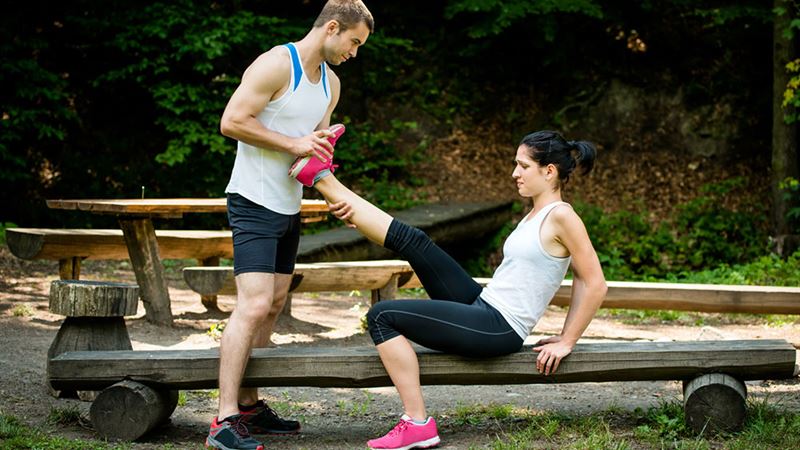
- Calf Muscle Spasms: Lie on your back with legs extended. Flex your foot by pulling your toes toward your head, creating a stretch in your calf. Hold this position until the spasm diminishes, typically for about 20-30 seconds.
- Neck Spasms: Sit or stand with your shoulders relaxed. Gently roll your shoulders forward and backward in slow circles, repeating ten times each way. To stretch the neck further, tilt your head slowly from side to side, holding each position for a few seconds.
- Thigh (Quadriceps) Spasms: Stand upright, holding onto a chair for balance. Bend one knee, bringing your heel toward your buttocks. Grasp your ankle and gently pull the heel closer while keeping your knees together. Hold for 15-20 seconds, then switch legs.
Remember to perform these stretches calmly and avoid forcing movements, which could exacerbate the injury.
2. Therapeutic Massage
Massage stimulates blood flow, relaxes tight muscles, and relieves spasms. Techniques such as Swedish massage, Shiatsu, or deep tissue massage are particularly effective. Although professional massage therapy offers the best results, you can perform simple at-home massages:
- Gently knead and rub the affected muscle with your fingers or a massage tool.
- If reaching the spasm area is difficult, ask someone else to massage it for you.
- Apply firm pressure with your hands or a massage ball, holding the pressure for a few minutes until the muscle relaxes.
- Consistency is key—regular massage can help prevent spasms caused by chronic muscle tightness.
3. Cold and Heat Therapy
Applying an Ice Pack
Ice provides immediate anti-inflammatory effects and numbs the nerve endings, reducing pain and swelling. To use ice effectively:
- Wrap an ice pack or a bag of frozen vegetables in a cloth to prevent frostbite.
- Massage the affected area gently with the ice pack for up to 10 minutes.
- You can repeat this process every 1-2 hours during the first 24 hours after the spasm occurs.
- Be cautious not to apply ice directly to the skin to avoid cold burns.
Applying Warm Compress
Heat therapy increases blood flow and muscle flexibility, helping to relieve persistent spasms. To use a warm compress:
- Use a heating pad or a warm towel, applying it to the affected area for 10-15 minutes.
- Alternatively, enjoy a warm bath or shower to relax tense muscles systemically.
- Always ensure the temperature is comfortable to prevent burns.
4. Magnesium-Boosting Soaks and Supplements
Many muscle cramps stem from magnesium deficiency. Using Epsom salt (magnesium sulfate) in bathwater is a popular natural remedy that can help replenish magnesium levels and relax muscles:
- Add 1-2 cups of Epsom salt to a warm bath and soak for 15-20 minutes.
- This soaking process can help reduce muscle tension and inflammation.
- Eating magnesium-rich foods such as spinach, nuts, seeds, and whole grains also supports muscle health.
- Consult a healthcare provider before taking magnesium supplements, especially if you have underlying health issues.
5. Hydration and Rest
Proper hydration is essential for muscle recovery and function. Drinking plenty of water throughout the day helps maintain electrolyte balance and prevents cramps. Complement this with adequate rest to allow muscles to repair after strain:
- Ensure you consume sufficient fluids, especially during hot weather or after intense physical activity.
- Incorporate gentle stretching and light activity into your daily routine rather than complete bed rest.
- Over-resting can lead to muscle weakness, so balance is key.
6. Maintaining Proper Electrolyte Balance
Electrolytes like potassium, calcium, and magnesium are vital for normal muscle contractions. To maintain their balance:
- Include bananas, dairy products, leafy greens, and nuts in your diet.
- Use electrolyte drinks during prolonged exercise or hot weather to replenish lost minerals.
- Seek medical advice if persistent cramps suggest an imbalance requiring supplementation.
7. Moderate Physical Activity and Posture Correction
While staying active is important, excessive or improper movements can aggravate muscle spasms. Engage in regular, moderate exercise to strengthen muscles and improve flexibility:
- Practice yoga or low-impact aerobics to enhance muscle tone and posture.
- Maintain ergonomic positions when sitting at a desk or working on a computer.
- Avoid sitting or standing in the same position for too long; take short breaks and stretch periodically.
When to Seek Medical Attention
In most cases, muscle spasms are temporary and manageable with home remedies. However, certain symptoms indicate the need for professional evaluation:
- If spasms recur frequently or last longer than a few minutes.
- When spasms are severe and cause significant pain or functional impairment.
- If you experience weakness, numbness, or tingling alongside spasms.
- In cases where spasms are associated with underlying medical conditions like nerve damage or circulatory issues.
- If initial home treatments do not improve your condition within 72 hours.
Consult your healthcare provider to determine the underlying cause and receive targeted treatment, especially if symptoms persist or worsen.