
Ultimate Guide to Choosing and Using Puppets for Kids’ Entertainment and Development
Explore the comprehensive guide to selecting and using puppets for children's entertainment and development. Learn where to buy quality puppets, how to choose the right size and character, and discover fun puppet activities that enhance creativity, communication, and emotional growth. Perfect for parents, teachers, and caregivers looking to enrich children's playtime with engaging puppet experiences that foster imagination, storytelling, and social skills.
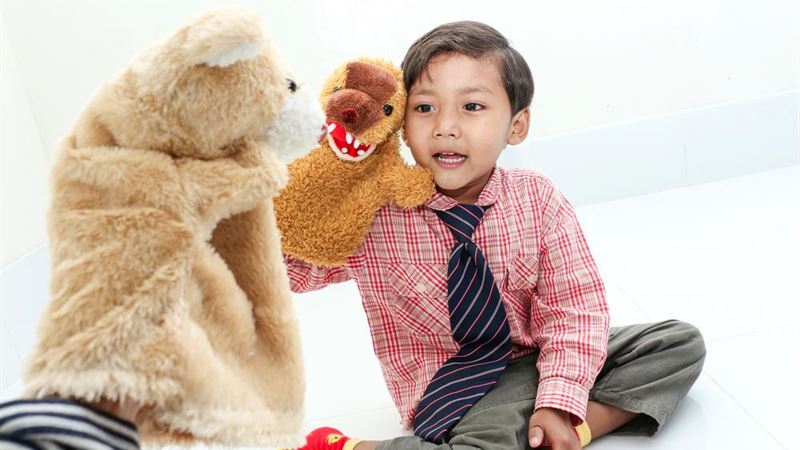
Discovering the Best Puppets for Your Child’s Play and Learning Experiences
Puppets have long been cherished tools for both entertainment and education. Whether used in storytelling, arts and crafts, or therapeutic settings, puppets serve as engaging medium to stimulate children’s imagination, improve communication skills, and foster emotional intelligence. Finding the right puppet involves more than just choosing a cute figure; it requires consideration of size, character, material, and functionality. With a wide variety of puppets available across retail outlets, online stores, and craft fairs, parents and educators can select the perfect puppet that aligns with their goals for play and development. This comprehensive guide will walk you through all essential aspects of buying and using puppets effectively to maximize your child's fun and growth.
Where can you purchase quality puppets?
The options for purchasing puppets have expanded significantly in recent years. You can explore local craft fairs, which often showcase handmade, unique puppets crafted by talented artisans. These fairs are ideal for discovering one-of-a-kind pieces that add a personal touch to your child's collection. Mail-order catalogs remain a convenient option, offering a wide selection of themed and character-based puppets suited for different age groups and interests. Today, most retail toy stores carry an assortment of puppets, from simple hand puppets to elaborate marionettes, catering to various preferences. Online shopping platforms further broaden your access, providing an extensive range of new and second-hand puppets at competitive prices. Online reviews and ratings can be invaluable in helping you make informed decisions, ensuring you select durable, safe, and enchanting puppets that fit your needs.
Key factors to consider when selecting puppets for children
Choosing the right puppet requires careful thought about several important factors. These include size, character, features, safety, and usability. Each element impacts the child's enjoyment, ease of handling, and developmental benefits.
- Size: Selecting an appropriately sized puppet is crucial. For young children who will handle the puppet independently, opt for smaller sizes that comfortably fit in their hands. These smaller puppets are easier to manipulate and promote dexterity. Conversely, if your goal is to use puppets for storytelling sessions or stage performances with groups, larger puppets are recommended. These are visible from a distance and easier for children or adults to operate smoothly. Larger puppets also foster group interaction, making them ideal for classroom or community theater activities.
- Character and Design: The puppet's character should be approachable, lively, and expressive to capture the child's imagination. Consider characters that resemble those your child already enjoys from books, cartoons, or movies. Familiar characters can stimulate imaginative role-play and storytelling. Colorful, animated designs with engaging facial expressions can draw children’s attention and facilitate emotional connection. For very young children, simpler designs without movable mouths may be more appropriate to avoid frustration and enhance usability.
- Features and Movability: Look for puppets with well-designed movable parts, such as eyes, mouths, or hands, which can be manipulated comfortably. For children learning to control puppet movements, the ease of operation is essential. Puppets with large expressive eyes, prominent noses, or adorable mouths tend to be more attractive. Be cautious with puppets that have tiny or complicated movable features, as they can be challenging for small hands to operate effectively. Safety should always be a priority—materials used in puppets should be non-toxic, durable, and well-stitched to prevent small parts from detaching.
Engaging children with puppet-based activities
Puppets are versatile tools for nurturing creativity, communication, and emotional understanding. Incorporating puppet activities into your child's routine can lead to rewarding developmental outcomes. Here are some engaging ways to use puppets effectively:
- Storytelling and Creative Play: Puppets add a lively dimension to storytelling sessions, making stories more captivating and memorable. Encourage your child to create their own tales using puppet characters, fostering imagination and narrative skills.
- Imagination Development: Use puppets to allow children to invent new stories and scenarios. This creative process enhances cognitive flexibility and problem-solving abilities as they imagine different worlds and roles.
- Language and Communication Skills: Puppets serve as excellent tools to teach children how to express their feelings and thoughts. You can set up role-play scenarios where children chat with their puppet friends or have the puppet ask questions, helping them practice speech and social interaction.
- Emotional Support and Therapy: Puppets can act as confidants for children facing emotional challenges, allowing them to communicate feelings indirectly. They can also be used in therapeutic settings to address behavioral issues or build self-esteem.
- Group Activities and Social Skills: Organize puppet shows involving multiple children to promote teamwork, cooperation, and social skills. Creating a puppet play together encourages sharing responsibilities and respectful communication.
As you explore and incorporate puppets into your child's life, remember that the key is enjoyment and learning. Puppets are not just toys but powerful educational tools that nurture a wide array of developmental skills. With patience and creativity, puppetry can become a cherished activity that brings joy, growth, and lifelong skills to children of all ages. Whether in a classroom, at home, or in community groups, puppets unlock the doors of imagination and emotional expression, making learning an exciting adventure.