
Comprehensive Guide to Psoriasis: Symptoms, Types, and Management
This comprehensive guide explores the various types of psoriasis, their symptoms, and management strategies. Understanding psoriasis is crucial for effective treatment and improving quality of life. The article details hallmark signs like red patches with silvery scales, nail and joint involvement, and emphasizes early diagnosis and tailored therapies.
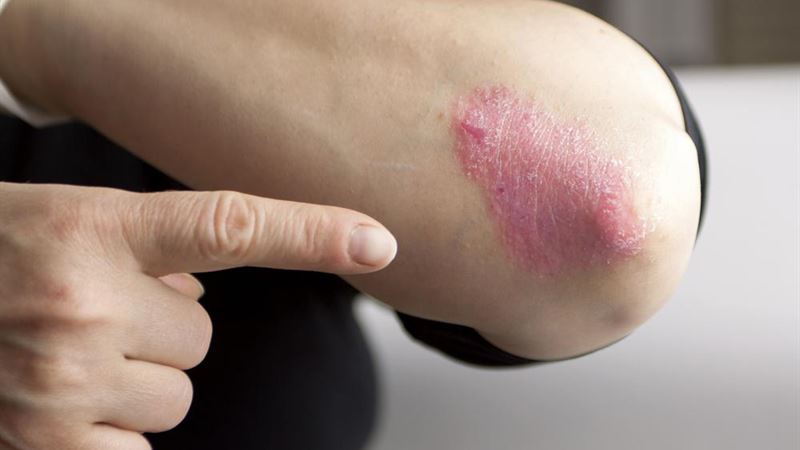
Psoriasis is a chronic autoimmune skin condition characterized by the rapid buildup of skin cells, leading to scaling, inflammation, and various other symptoms. It manifests in different forms, each with unique features and patterns, and can significantly impact quality of life if not managed properly. Understanding the diverse types and symptoms of psoriasis is essential for effective treatment and symptom control.
Psoriasis affects millions worldwide, with symptoms that can be both physically and emotionally distressing. The condition tends to follow cyclical patterns, with flare-ups and periods of remission. Many sufferers experience one predominant type, although it is possible for different forms to coexist or transform over time.
The hallmark of psoriasis is the appearance of raised, red patches of skin covered with silvery-white scales. These patches, known as plaques, often appear on areas like the elbows, knees, scalp, and lower back. They can be itchy, sore, and sometimes crack open or bleed, especially in severe cases. The severity and distribution of symptoms vary widely among individuals.
Other common signs include small, pinpoint scaling spots, areas of dry, cracked skin prone to bleeding, and intense itching or burning sensations. In some cases, psoriasis extends beyond the skin, affecting the nails and joints, leading to conditions like nail psoriasis and psoriatic arthritis. Nail changes often include thickening, ridging, pitting, or detachment. Joint involvement may cause swelling, stiffness, and pain, impacting daily activities and overall mobility.
Recognizing the symptoms early and seeking medical advice is crucial for effective management. An accurate diagnosis typically involves physical examination, medical history review, and sometimes skin biopsies. Treatment options range from topical therapies and phototherapy to systemic medications, aimed at reducing inflammation and controlling symptoms.
Psoriasis is a complex condition with multifaceted causes involving genetic, environmental, and immune system factors. Lifestyle modifications, skincare routines, and medication can help manage symptoms, but there is currently no cure. Continuous medical follow-up ensures optimal control and improves patients' quality of life.
If you suspect you might have psoriasis, consult a dermatologist for a thorough assessment and personalized treatment plan. Early intervention can help prevent complications and maintain skin health.