
Essential Guidelines for Choosing the Perfect Non-Slip Footwear for Restaurant Staff
Discover comprehensive tips for choosing the ideal slip-resistant footwear for restaurant workers. Learn about tread patterns, sizing, breaking in shoes, and maintenance to ensure safety and comfort during long shifts. Prioritize your well-being and prevent slips and falls with expert advice tailored to the restaurant industry’s demanding environment.
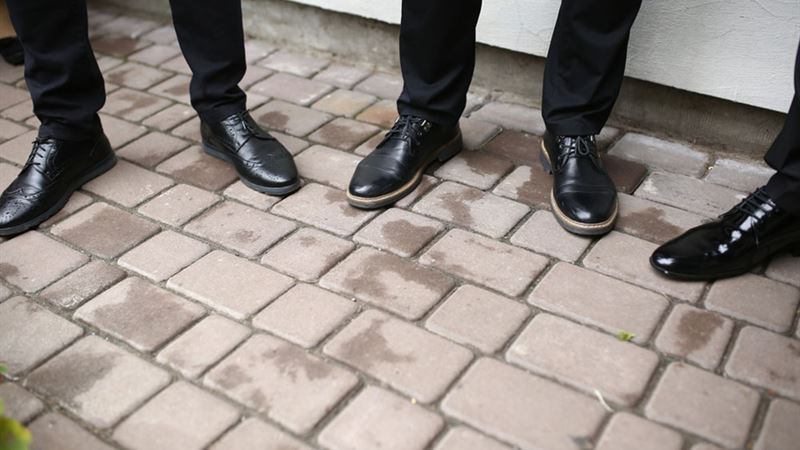
At the core of slip-resistant footwear is the outsole tread pattern. The design of the sole plays a crucial role in grip and traction, especially on wet, oily, or slippery surfaces common in restaurant environments. Shoes with specific tread patterns such as small circles, geometric shapes like squares or triangles, and deep grooves are engineered to channel liquids away from the contact surface, thus preventing slips. When evaluating potential footwear options, take a close look at the tread design; ensure they incorporate patterns proven effective for slippery surfaces.
It is also essential to realize that tread patterns wear out over time due to constant use. Worn-out treads drastically diminish the shoe's slip resistance, increasing the risk of accidents. Regularly inspect the soles of your shoes and replace them promptly once the tread begins to wear down. This maintenance can prevent costly injuries and uphold safety standards in your workplace.
Choosing the correct size is vital in maintaining both safety and comfort. When trying on slip-resistant shoes, opt to wear the same type of socks you normally wear during your shifts to get an accurate fit. Shoes that are too tight can cause discomfort and restrict circulation, while loose-fitting footwear may lead to blisters, slips, and decreased stability. Make sure there is enough room for your toes to move comfortably, and the heel should fit snugly without slipping out of place.
Proper fit ensures better control and stability on your feet, reducing fatigue and discomfort during long hours on busy restaurant floors. Don't ignore the importance of fit—investing time in selecting the right size helps prevent foot-related injuries and improves overall safety.
Even the best-designed slip-resistant shoes require a breaking-in period to achieve maximum comfort. Wearing new shoes straight into a demanding shift without proper preparation can cause blisters, hot spots, and discomfort. To minimize these issues, wear your new shoes around your house for a few days prior to returning to work, gradually increasing the duration of wear each day. Additionally, if possible, bring your old pair of shoes to work initially. This allows you to change midway if your feet start to feel sore or if the shoes cause discomfort.
Comfortable footwear not only ensures you can perform your duties efficiently but also reduces the likelihood of developing foot or joint issues over time. Breaking in your shoes properly is a small but crucial step in maintaining ongoing comfort and safety in your employment environment.
Beyond initial selection, maintaining your slip-resistant shoes is essential to preserve their safety features. Regularly clean the soles to remove any accumulated debris or residue that could compromise traction. Store your shoes in a cool, dry place to prevent deterioration of the materials. Consider rotating between two pairs if you work multiple shifts in a day, allowing each pair to dry and recover to maintain optimal grip.
Always replace shoes once the slip-resistant tread is significantly worn down. Investing in quality footwear tailored for restaurant work may have higher upfront costs but offers better longevity and safety benefits in the long run. Remember, the right shoes are a crucial investment not only for your well-being but also for the smooth operation of your restaurant.
Choosing the right slip-resistant shoes for restaurant work involves more than just selecting a stylish pair. It’s about prioritizing safety, comfort, and durability to prevent injuries and enhance performance. Ensure the shoes feature effective tread patterns, fit correctly, and are properly broken in before regular use. Regular maintenance and timely replacement are also vital components of a comprehensive safety strategy. By following these guidelines, restaurant staff can reduce the likelihood of slips and falls, resulting in a safer, more efficient working environment for everyone involved.