
Essential Guidelines for Choosing the Perfect Restaurant Footwear
Choosing the right footwear for restaurant work is vital for safety and comfort. Prioritize slip resistance with at least a 0.40 COF rating, and select shoes made from durable, suitable materials like leather in environments prone to spills. Ensure your shoes offer adequate cushioning and support to prevent fatigue during long shifts. Consider other features such as breathability, durability, and style. Investing in quality restaurant shoes reduces injury risks and enhances overall performance, making your workday safer and more comfortable.
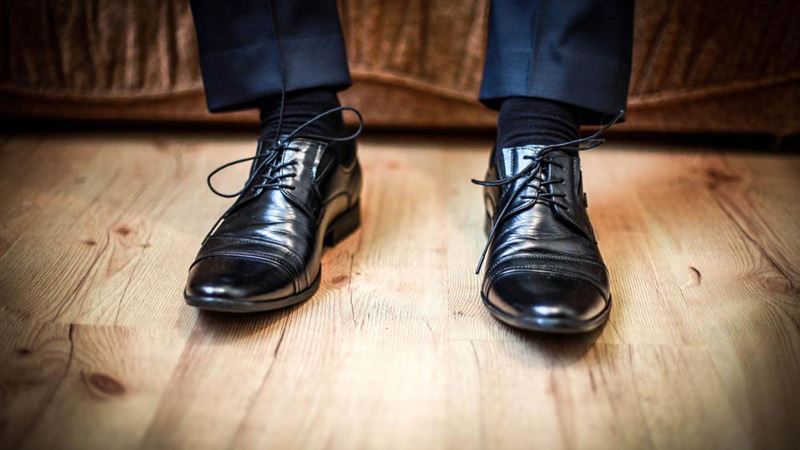
Selecting the ideal footwear for restaurant work requires careful consideration of several critical factors. Not all slip-resistant shoes are created equal, and ensuring your safety and comfort is paramount. When choosing restaurant shoes, it’s vital to verify that they meet specific safety standards, particularly the coefficient of friction (COF). An effective slip-resistant shoe should demonstrate a COF of at least 0.40 on standardized tests like the Brungrabber Mark II. Shoes falling below this threshold may lack adequate anti-slip properties, increasing the risk of slips and falls in the busy and often wet environment of a restaurant.
Prioritizing Safety with Slip Resistance
Safety in a restaurant setting cannot be overstated. Slip-and-fall accidents are among the leading causes of workplace injuries in hospitality. The primary feature to look for is slip resistance. When shopping for restaurant footwear, it’s crucial to test and confirm that the shoes have been evaluated for their slip-resistant capabilities. Shoes with a COF equal to or greater than 0.40 provide better grip on wet or greasy surfaces, helping prevent dangerous slips. The Brungrabber Mark II test is a widely accepted standard used by manufacturers and safety personnel to assess a shoe’s anti-slip performance. Always opt for footwear labeled with a proven slip-resistant rating to ensure safety on the job.
Prioritize Comfort for Long Shifts
Prolonged hours on your feet—often exceeding 8 hours a day—can quickly lead to fatigue, soreness, and even long-term foot problems. Therefore, the comfort of your restaurant shoes directly impacts your well-being and work productivity. Comfort factors encompass more than just the fit; they include the shoe’s materials, construction, and support features. Remember, discomfort from inadequate footwear can adversely affect your mood, concentration, and ultimately, your performance.
When selecting restaurant shoes, look beyond style and focus on ergonomic features that provide cushioning and support. An ill-fitting or poorly cushioned pair can cause blisters, calluses, and joint pain, which may hinder your ability to deliver excellent service. The right footwear should help maintain proper foot alignment and absorb shocks during long shifts.
Understanding Upper Materials and Their Significance
An essential aspect of comfort and safety is the shoe’s upper material—the part of the shoe that encases the top of your foot. Different materials offer varying benefits and suitability depending on the restaurant environment. Common options include suede, leather, action leather, canvas, mesh, rubber, and nylon. Choosing the right upper material depends largely on the work conditions.
For example, in busy kitchens where hot liquids, spills, and splashes are frequent, durable and impermeable materials like leather are advisable. Leather uppers provide resistance against liquids and are easy to clean, maintaining hygiene standards required in food service. Conversely, mesh or fabric uppers, while lightweight and breathable, may not offer sufficient protection against hot spills or heavy splashes.
Insole Types and Their Impact on Comfort
The insole plays a critical role in overall foot comfort. Different insoles cater to varying needs—from full cushioning to impact-zone padding. When selecting insoles, consider your specific work demands and foot support needs. For instance, employees who stand for extended hours may benefit from extra cushioned insoles that provide shock absorption. If you suffer from arch issues or require additional support, orthotic-friendly options may be worth exploring.
The choice of insole can significantly affect fatigue levels, foot pain, and long-term health. Well-cushioned insoles can reduce pressure on pressure points, minimize fatigue, and enhance overall comfort. Many shoes come with removable insoles, allowing for customization and replacement with orthotics if needed.
Additional Factors to Consider
Besides slip resistance and comfort, other key features include durability, weight, breathability, and style. Durable materials ensure the shoes withstand the rigors of a demanding restaurant environment. Lighter shoes reduce fatigue, allowing staff to move quickly and efficiently. Proper ventilation in the shoe construction helps prevent moisture buildup and odor, maintaining hygiene standards. Style may be secondary but can influence morale and team uniformity.
When shopping, prioritize brands and models that specialize in restaurant footwear or work-specific shoes. Reading customer reviews and seeking recommendations from colleagues can also guide you toward reliable options. Investing in high-quality shoes might involve a higher upfront cost but pays off in increased safety, comfort, and longevity.
In conclusion, selecting the right restaurant shoes involves assessing slip resistance, comfort, and suitability for the specific working environment. Safety should always be your top priority, followed by comfort to sustain your energy and morale throughout long shifts. By considering detailed aspects such as upper material and insole type, you can ensure that your footwear supports your health and enhances your work performance. Remember, the right pair of shoes can make a significant difference between a tough, uncomfortable day and a smooth, efficient shift.
Prioritizing Safety with Slip Resistance
Safety in a restaurant setting cannot be overstated. Slip-and-fall accidents are among the leading causes of workplace injuries in hospitality. The primary feature to look for is slip resistance. When shopping for restaurant footwear, it’s crucial to test and confirm that the shoes have been evaluated for their slip-resistant capabilities. Shoes with a COF equal to or greater than 0.40 provide better grip on wet or greasy surfaces, helping prevent dangerous slips. The Brungrabber Mark II test is a widely accepted standard used by manufacturers and safety personnel to assess a shoe’s anti-slip performance. Always opt for footwear labeled with a proven slip-resistant rating to ensure safety on the job.
Prioritize Comfort for Long Shifts
Prolonged hours on your feet—often exceeding 8 hours a day—can quickly lead to fatigue, soreness, and even long-term foot problems. Therefore, the comfort of your restaurant shoes directly impacts your well-being and work productivity. Comfort factors encompass more than just the fit; they include the shoe’s materials, construction, and support features. Remember, discomfort from inadequate footwear can adversely affect your mood, concentration, and ultimately, your performance.
When selecting restaurant shoes, look beyond style and focus on ergonomic features that provide cushioning and support. An ill-fitting or poorly cushioned pair can cause blisters, calluses, and joint pain, which may hinder your ability to deliver excellent service. The right footwear should help maintain proper foot alignment and absorb shocks during long shifts.
Understanding Upper Materials and Their Significance
An essential aspect of comfort and safety is the shoe’s upper material—the part of the shoe that encases the top of your foot. Different materials offer varying benefits and suitability depending on the restaurant environment. Common options include suede, leather, action leather, canvas, mesh, rubber, and nylon. Choosing the right upper material depends largely on the work conditions.
For example, in busy kitchens where hot liquids, spills, and splashes are frequent, durable and impermeable materials like leather are advisable. Leather uppers provide resistance against liquids and are easy to clean, maintaining hygiene standards required in food service. Conversely, mesh or fabric uppers, while lightweight and breathable, may not offer sufficient protection against hot spills or heavy splashes.
Insole Types and Their Impact on Comfort
The insole plays a critical role in overall foot comfort. Different insoles cater to varying needs—from full cushioning to impact-zone padding. When selecting insoles, consider your specific work demands and foot support needs. For instance, employees who stand for extended hours may benefit from extra cushioned insoles that provide shock absorption. If you suffer from arch issues or require additional support, orthotic-friendly options may be worth exploring.
The choice of insole can significantly affect fatigue levels, foot pain, and long-term health. Well-cushioned insoles can reduce pressure on pressure points, minimize fatigue, and enhance overall comfort. Many shoes come with removable insoles, allowing for customization and replacement with orthotics if needed.
Additional Factors to Consider
Besides slip resistance and comfort, other key features include durability, weight, breathability, and style. Durable materials ensure the shoes withstand the rigors of a demanding restaurant environment. Lighter shoes reduce fatigue, allowing staff to move quickly and efficiently. Proper ventilation in the shoe construction helps prevent moisture buildup and odor, maintaining hygiene standards. Style may be secondary but can influence morale and team uniformity.
When shopping, prioritize brands and models that specialize in restaurant footwear or work-specific shoes. Reading customer reviews and seeking recommendations from colleagues can also guide you toward reliable options. Investing in high-quality shoes might involve a higher upfront cost but pays off in increased safety, comfort, and longevity.
In conclusion, selecting the right restaurant shoes involves assessing slip resistance, comfort, and suitability for the specific working environment. Safety should always be your top priority, followed by comfort to sustain your energy and morale throughout long shifts. By considering detailed aspects such as upper material and insole type, you can ensure that your footwear supports your health and enhances your work performance. Remember, the right pair of shoes can make a significant difference between a tough, uncomfortable day and a smooth, efficient shift.