
Comprehensive Strategies to Safeguard Your Lungs from Pulmonary Embolism
This comprehensive guide explores pulmonary embolism, highlighting its symptoms, causes, prevention strategies, and treatment options. Learn how to protect your lung health effectively with early recognition and medical intervention to reduce risks and improve outcomes. Essential reading for individuals at risk or seeking health awareness.
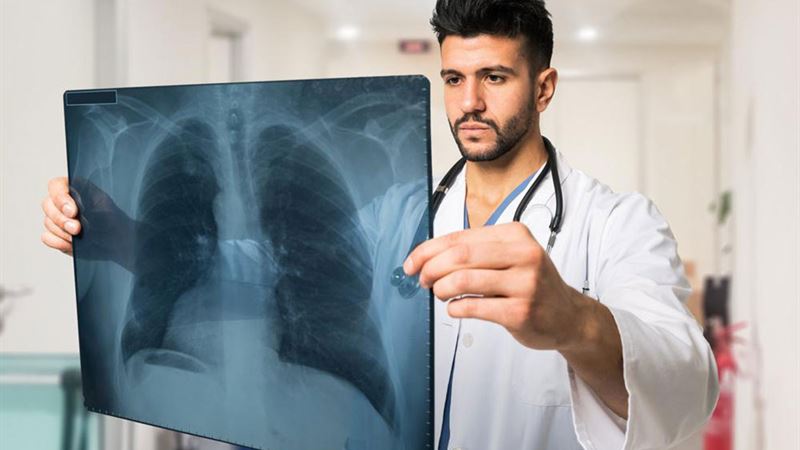
Recognizing the symptoms of pulmonary embolism promptly is vital for timely medical intervention. Common signs include:
- Sudden Shortness of Breath: This symptom often appears abruptly and progressively worsens, especially with exertion. It may occur without warning and can be severe enough to cause panic or anxiety.
- Chest Discomfort: Many patients describe chest pain that resembles a heart attack, often sharp and localized. Breathing deeply can intensify this pain, and coughing or bending may exacerbate it further.
- Coughing with Blood: The presence of blood-streaked sputum in cough is a significant warning sign, indicating possible lung tissue damage or clot dislodgement.
To understand pulmonary embolism thoroughly, it is essential to explore its underlying causes. The primary mechanism involves the formation of a blood clot, often originating from deep vein thrombosis (DVT) in the legs. When a clot dislodges, it travels through the bloodstream and lodges in one of the pulmonary arteries, disrupting blood flow and oxygen exchange. This blockage leads to a reduction in oxygenated blood reaching the lungs and other vital organs, potentially causing pulmonary infarction—death of lung tissue resulting from lack of blood supply. The main contributors to DVT, and thus PE, include prolonged immobility (such as bed rest or long flights), recent surgery or trauma, certain inherited blood clotting disorders, obesity, smoking, hormonal therapies, and cancer. Occasionally, the obstructions are not blood clots but other substances like fat droplets from bone marrow, tumor tissue fragments, air bubbles, or collagen deposits, which can also cause embolism events.
Prevention strategies are paramount in reducing the risk of pulmonary embolism. Lifestyle modifications, medical interventions, and awareness of risk factors can play decisive roles. Regular physical activity helps improve circulation and prevent blood stasis, especially in individuals with sedentary lifestyles or after prolonged immobilization. Maintaining a healthy weight, quitting smoking, and managing underlying conditions such as hypertension or diabetes are critical preventative steps. For those at higher risk—such as postoperative patients or individuals with diagnosed clotting disorders—anticoagulant therapy like heparin or warfarin may be prescribed by healthcare providers. Compression stockings can also help prevent DVT in high-risk persons by promoting blood flow in the legs. Recognizing early symptoms of DVT, such as leg swelling, warmth, redness, or tenderness, allows for timely interventions before a clot can travel to the lungs.
When pulmonary embolism occurs, immediate medical treatment is essential. Commonly used interventions include anticoagulation drugs to prevent clot growth and new clot formation. In severe cases, thrombolytic therapy—using medications that dissolve clots—may be administered. For life-threatening situations, surgical removal of the clot (embolectomy) or procedures involving catheter-directed clot removal are options. Oxygen therapy helps alleviate hypoxia caused by impaired lung function. Long-term management involves addressing underlying causes with lifestyle changes and medication adherence. Post-treatment, patients are typically monitored for recurrent clots or bleeding risks. Education about lifestyle modifications, recognizing early signs of PE, and adhering to prescribed treatments can significantly improve prognosis and quality of life.
In summary, pulmonary embolism is a complex condition stemming from blood clots or other embolic substances blocking the pulmonary arteries. It demands urgent attention and a comprehensive approach to prevention, early detection, and treatment. Maintaining an active lifestyle, managing risk factors, and being aware of warning signs are critical steps to safeguard your lung health. Consulting healthcare professionals for screening and personalized preventive measures can make the difference in avoiding this life-threatening condition.