
Comprehensive Guide to Pulmonary Embolism: Causes, Symptoms, and Treatment
This comprehensive article explores pulmonary embolism, detailing its causes, symptoms, and advanced treatments. It emphasizes the importance of early detection and prevention strategies to avoid life-threatening consequences. Understanding risk factors such as prolonged immobility, medical conditions, and lifestyle habits is vital. Learn about modern anticoagulant therapies and the significance of public awareness in managing this serious health condition. Proper knowledge and timely intervention can significantly improve outcomes and save lives.
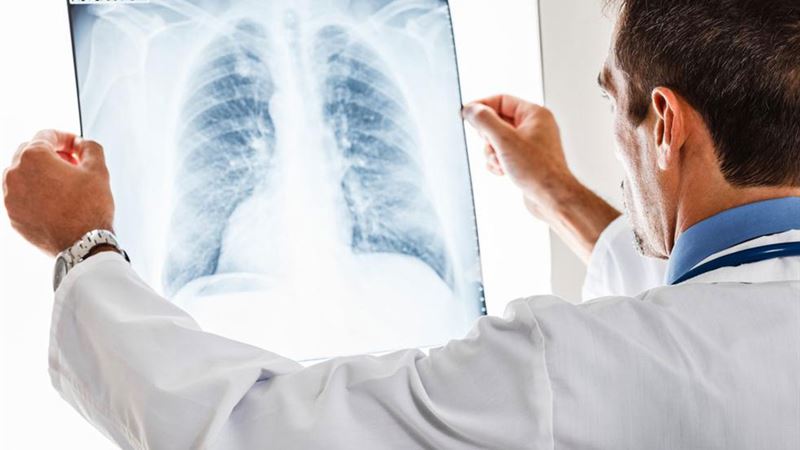
Pulmonary embolism (PE) occurs when a blockage, typically a blood clot, lodges in the arteries of the lungs, disrupting normal blood flow. This condition can be life-threatening if not diagnosed and managed promptly. The formation of clots in the circulatory system is often linked to sluggish or stagnating blood flow, which allows thrombi to develop and subsequently travel to the lungs. Several factors contribute to the risk of PE, including prolonged immobility, certain medical conditions, and lifestyle factors. Understanding the causes, recognizing the symptoms, and knowing the treatment options are critical to preventing severe outcomes.Symptoms of pulmonary embolism can develop suddenly or gradually, but early detection significantly improves prognosis. Individuals may experience shortness of breath, chest pain that worsens with exertion but doesn't improve with rest, and a bluish tint to the lips and skin, indicating cyanosis. Other common signs include coughing up blood or blood-streaked sputum, dizziness, rapid or irregular heartbeat, and profuse sweating. In severe cases, PE can lead to sudden loss of consciousness or swelling and pain in one leg, often a sign of deep vein thrombosis, which is a precursor to embolism. Recognizing these symptoms promptly enables urgent medical intervention that can be lifesaving.The primary goal of treatment for pulmonary embolism is to rapidly dissolve the clot and restore normal blood circulation. Anticoagulant medications play a crucial role in this process. Initially, drugs like heparin—administered intravenously—are used to prevent additional clot formation and help dissolve the existing embolus. Alongside heparin, oral anticoagulants such as warfarin or newer agents are prescribed to maintain consistent blood thinning, preventing future clot development. These medications work by interfering with the clotting process, giving the body time to break down existing clots naturally.Advances in anticoagulation therapy include the development of fast-acting medications that may reduce the need for heparin. These newer drugs, often called direct oral anticoagulants (DOACs), simplify treatment with oral administration and fewer dietary restrictions, making management easier for patients. The effectiveness of anticoagulants hinges on timely administration and proper dosage, underscoring the importance of medical supervision in PE cases.Understanding the factors that contribute to blood clot formation helps in prevention. Conditions like prolonged bed rest after injury or surgery, especially orthopedic procedures such as knee replacements, increase the risk of blood stagnation in the lower extremities. Extended periods of immobility—such as long flights—can cause decreased blood flow in the legs, encouraging clot development. Similarly, certain medical conditions like atrial fibrillation, cancer, and inherited clotting disorders elevate the risk of PE.Blood coagulation is a natural defense mechanism that prevents excessive bleeding. Under normal circumstances, blood flow keeps the clotting factors in check, preventing unwanted thrombus formation. However, conditions that slow circulation, damage blood vessel linings, or create deficiencies in clotting regulators can tip the balance towards abnormal clotting. For example, decreased activity during long-distance travel, prolonged bed rest after surgeries, or trauma can increase the likelihood of clot formation.It is vital for the public to be aware of the risk factors, symptoms, and preventive measures associated with pulmonary embolism. Recognizing early signs such as sudden shortness of breath, chest discomfort, or leg swelling can lead to quicker diagnosis and treatment, reducing the risk of fatal complications. Preventive strategies include regular movement during long travel, maintaining mobility after surgery, and managing underlying health conditions. Healthcare providers often recommend compression stockings or anticoagulants for high-risk individuals to prevent clot formation.In conclusion, pulmonary embolism is a critical medical condition that demands prompt recognition and treatment. Advances in anticoagulation therapy and increased awareness have improved outcomes, but prevention remains paramount. Lifestyle modifications, early detection of symptoms, and timely medical interventions are key components in reducing the morbidity and mortality associated with PE. Education about this condition can save lives by ensuring individuals seek medical attention quickly when warning signs appear.