
Essential Nutritional Choices for Supporting Prostate Wellness
Discover the top foods that support prostate health, including seeds, greens, fruits, and fatty fish. Learn how these nutrient-rich options boost immunity, reduce inflammation, and lower cancer risks. A balanced diet combined with healthy habits can significantly improve prostate wellness and prevent common issues like enlargement and cancer. Incorporate these foods into your daily routine to maintain a healthy prostate and enjoy overall better health. Take proactive steps today for a healthier tomorrow with our comprehensive guide to supporting prostate wellness naturally.
Maintaining optimal prostate health is crucial for men's overall well-being, especially as they age. Incorporating specific foods into your daily diet can play a significant role in promoting prostate function and reducing the risk of common prostate issues, including inflammation and cancer. Unlike relying solely on supplements, it’s more beneficial to consume natural foods rich in vital nutrients. These foods provide superior absorption and effectiveness, contributing to a healthier prostate. This comprehensive guide explores the top dietary choices—all backed by scientific research—that support prostate health and help prevent chronic conditions.
Seeds and Nuts: Nature's Nutrient Powerhouses
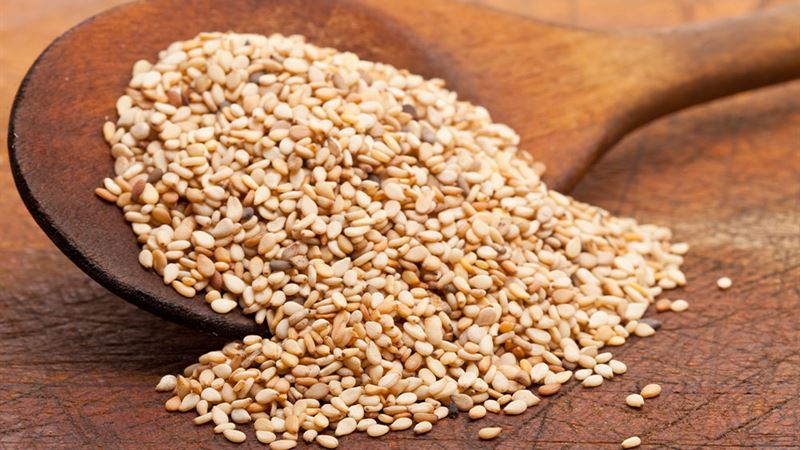
Seeds such as sesame, pumpkin, and sunflower seeds are excellent sources of zinc, which is essential for prostate health. Consuming these seeds regularly in your meals—adding sesame seeds to salads, soups, or dips—ensures better nutrient absorption than taking zinc supplements. Nuts like almonds and walnuts also offer healthy fats and antioxidants, supporting cellular health and reducing inflammation in the prostate. Regular inclusion of these small but powerful foods can significantly bolster your prostate’s defenses against disease.
Vegetables Rich in Phytochemicals
Green leafy vegetables are packed with antioxidants, phytochemicals, crucial vitamins, and minerals that help combat inflammation and oxidative stress in the prostate. Cruciferous vegetables such as broccoli, Brussels sprouts, kale, cabbage, Bok choy, and cauliflower are particularly beneficial. They contain compound phytochemicals like indoles and sulforaphane, which have been shown to reduce the risk of prostate cancer. Incorporating a variety of these vegetables into your diet several times a week can promote healthy cell function and decrease prostate-related health risks.
Fruits High in Lycopene and Antioxidants
Tomatoes are renowned for their high lycopene content, a powerful antioxidant that plays a vital role in prostate health. Lycopene helps slow the progression of prostate-specific antigen (PSA) levels, often elevated due to inflammation and cancer risk. To maximize absorption, consume tomatoes cooked or pureed into sauces, soups, or juices. Additionally, berries like blueberries, strawberries, blackberries, and raspberries are rich sources of anthocyanins, which combat oxidative stress caused by free radicals. These antioxidants help prevent mutations in healthy prostate cells and support overall prostate well-being.
Cold-Water Fatty Fish: Omega-3 Powerhouses
Fatty fish such as salmon, mackerel, tuna, sardines, herring, and trout are excellent sources of omega-3 fatty acids. These essential fats have anti-inflammatory properties that help reduce prostate enlargement and lower the risk of prostate cancer. Since the human body cannot synthesize omega-3s, including these cold-water fish in your meals at least twice a week is critical. They not only support prostate health but also contribute to cardiovascular wellness, making them a valuable component of a balanced diet.
Holistic Approach to Prostate Health
While dietary modifications play a vital role in maintaining prostate health, they are most effective when combined with a healthy lifestyle. Regular exercise, avoiding excessive alcohol consumption, and managing stress contribute to overall wellness and prostate function. It’s essential to recognize that these foods support prevention and maintenance rather than curing existing conditions. By adopting better eating habits and lifestyle choices, men can significantly reduce their risk of prostate issues and promote long-term health.
Consistent consumption of these nutrient-rich foods, along with a health-conscious lifestyle, can foster optimal prostate health. Consulting healthcare professionals for personalized advice and screening is encouraged, especially for those with a family history of prostate problems. Remember, proactive measures taken today can lead to a healthier tomorrow, preventing the development of serious prostate conditions and ensuring well-being at every age.