Discover a wide array of probiotic foods that can enhance your gut health naturally. From yogurt and kefir to kimchi and miso, learn how incorporating these rich sources of beneficial bacteria into your daily meals can support digestion, strengthen immunity, and boost overall vitality. This comprehensive guide provides practical tips for adding probiotic foods to your diet, selecting high-quality products, and maximizing their health benefits for a healthier life.
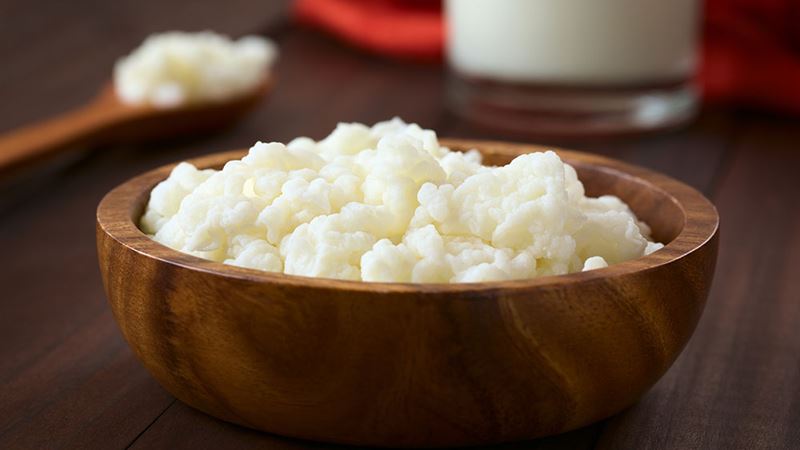
Maintaining a healthy digestive system is vital for overall well-being, immunity, and nutrient absorption. Incorporating probiotic-rich foods into your daily diet is an excellent way to promote gut health naturally. Probiotics are beneficial bacteria that replenish and support the gut microbiome, which is crucial for digestion, immune function, and even mental health. Choosing the right probiotic foods involves understanding which products contain live cultures and how they can be integrated into your meals to maximize health benefits. This comprehensive guide explores various probiotic foods, their benefits, and practical tips for adding them to your diet.
Yogurt: A classic probiotic source, yogurt should be selected with care—look for labels indicating live and active cultures. Opt for plain, unsweetened varieties to avoid added sugars, and consider making your own at home for maximum freshness and probiotic content. Yogurt provides a rich source of calcium, protein, and probiotics, supporting gut flora and bone health. Kefir: This fermented milk beverage boasts a thinner consistency than yogurt, making it easier to digest. It is packed with probiotics, calcium, and vitamins, making it an excellent choice for gut health. Kefir can be added to smoothies, cereals, or enjoyed on its own. Choosing unpasteurized or live-culture kefir ensures you get the full probiotic benefits. Sauerkraut: Finely shredded fermented cabbage, sauerkraut is loaded with probiotics, vitamins, minerals, and antioxidants. To maximize probiotic intake, select unpasteurized varieties stored in the refrigerated section, as pasteurization kills beneficial bacteria. Incorporate sauerkraut into salads, sandwiches, or as a flavorful side dish. Its tangy taste complements various cuisines and provides digestive benefits. Tempeh: Derived from fermented soybeans, tempeh is a versatile, high-protein meat substitute that supports gut health with its probiotic content. Rich in vitamin B12, it also contributes to red blood cell production and nervous system health. Tempeh can be steamed, stir-fried, or grilled and added to salads, wraps, or main dishes. Its nutty flavor makes it a popular ingredient for vegan and vegetarian diets. Kimchi: This spicy, fermented Korean side dish made from cabbage and radishes provides a potent dose of probiotics alongside vitamins K and B2, iron, and antioxidants. Available mainly in the refrigerated section, kimchi can be added to rice bowls, soups, or enjoyed as a condiment. Its probiotic content supports digestion and boosts immunity. Miso: A traditional Japanese fermented soybean paste, miso is rich in essential nutrients and probiotics. It is commonly used in soups, dressings, and marinades. Regular consumption may help reduce the risk of certain cancers and strokes, particularly in women. Choose natural, unpasteurized miso for maximum health benefits. Kombucha: This tangy, effervescent fermented tea drink—usually made from green or black tea—serves as an excellent probiotic beverage. Its bacteria and yeast culture help improve gut flora, enhance digestion, and support immunity. Consume kombucha in moderation, and check labels for added sugars to choose healthier options. Resistant Potatoes: Also known as cold potatoes or taters, resistant starch is a type of carbohydrate that resists digestion and feeds beneficial gut bacteria. Eating cooled, cooked potatoes enhances insulin sensitivity and can aid in weight management and diabetes prevention. Incorporate them into salads or reheat carefully for optimal resistant starch content. Raw Garlic: Known for its potent antibacterial properties, raw garlic acts as a natural gut bacteria booster. Including raw garlic in your meals can improve digestion and support a healthy microbiome. Use minced garlic in dressings, sauces, or as a topping to maximize its health benefits. Cheese Varieties: Some cheeses, such as cheddar, mozzarella, and Gouda, naturally contain probiotics due to the fermentation process. Besides being rich in proteins, these cheeses are beneficial for heart and bone health. Include moderate amounts of probiotics cheese in your dietas part of a balanced nutrition plan. Integrating these probiotic-rich foods into your daily meals can remarkably improve your digestive health, boost immunity, and promote overall vitality. Here are some practical tips for incorporating probiotics into your diet:
- Start your day with a nutritious yogurt breakfast topped with berries, flax seeds, and nuts for added fiber and antioxidants.
- Add miso to your homemade soups or stews as a flavorful, nutrient-dense ingredient.
- Enjoy a glass of kefir or kombucha as a mid-morning snack to sustain energy and promote gut health.
- Serve side dishes of sauerkraut or kimchi alongside your main courses to enhance flavor and digestion.
- Use fermented foods regularly to diversify your microbiome, which supports better immunity and overall health.
When selecting probiotic foods, always read labels carefully to verify the presence of live and active cultures. If necessary, consider supplementing your diet with probiotic capsules or powders after consulting with a healthcare professional. Remember, a consistent intake of probiotic foods combined with a balanced diet—rich in fiber, fruits, vegetables, and whole grains—can significantly improve your gut health and general wellness.
