
Effective Strategies to Prevent Hair Thinning in Women Aged 60 and Above
Discover comprehensive strategies to prevent hair thinning in women over 60. Learn about causes like hormonal changes, nutritional deficiencies, and styling habits, and explore effective solutions. Emphasizing proper nutrition, gentle hair care routines, scalp health, and stress management, this guide helps women maintain vibrant hair and confidence through aging. Incorporate natural treatments and seek professional advice for personalized care, ensuring your hair stays healthy, strong, and beautiful in your golden years.
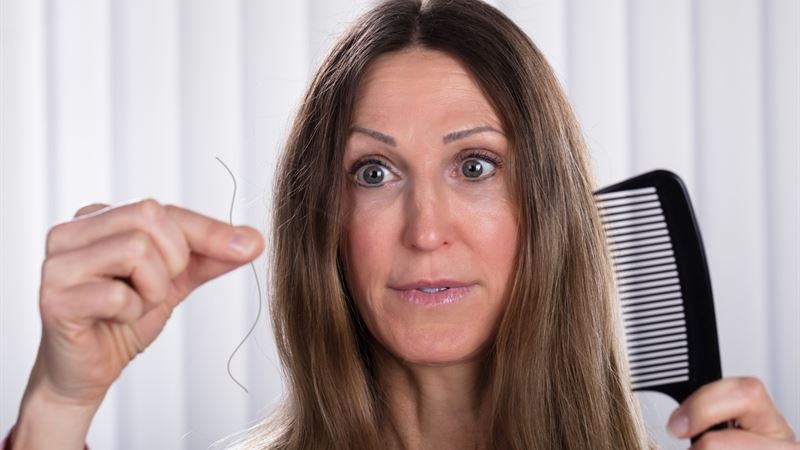
Understanding the Causes of Hair Thinning in Senior Women
As women age, especially after reaching 60, many experience noticeable changes in their hair health. Thinning hair, hair loss, and scalp issues become more common due to various physiological and environmental factors. It's crucial to understand what causes these changes to develop effective prevention strategies. Age-related hair thinning is influenced by a combination of hormonal shifts, genetic predispositions, nutritional deficiencies, medical conditions, and styling habits. Recognizing these factors is the first step towards maintaining healthy, full hair well into later years.
Key Factors Contributing to Hair Loss in Women Over 60
- Hormonal Fluctuations: Menopause triggers a significant decrease in estrogen, which plays a vital role in hair growth. The decline in estrogen leads to a more prominent presence of androgens, causing hair thinning mainly on the crown and top of the scalp.
- Genetic Factors: Family history greatly influences age-related hair loss. If there’s a genetic predisposition within your lineage, chances are higher that you will experience similar issues.
- Nutritional Gaps: Iron, zinc, vitamins A, D, and E, along with other micronutrients, are essential for scalp health and hair strength. Deficiencies in these nutrients can cause brittleness, shedding, and reduced growth.
- Medical Conditions: Chronic illnesses such as thyroid disorders, autoimmune diseases like alopecia, anemia, and other health issues can lead to significant hair shedding.
- Hair Care Practices: Excessive use of heat styling tools, twisting hairstyles, chemical relaxers, and dyes can damage hair strands and weaken roots, accelerating hair loss.
Implementing Proven Preventative Measures
Protecting hair health requires a comprehensive approach focused on nutrition, gentle care routines, scalp health, and overall lifestyle. Here are effective strategies tailored for women over 60:
1. Nourishing Your Body with a Well-Balanced Diet
The foundation for healthy hair starts with proper nutrition. A diet rich in essential nutrients supports hair follicle vitality and growth. Incorporate these nutrient-dense foods into your daily meals:
Proteins: Eggs, poultry, fish, legumes, and nuts supply amino acids necessary for keratin development, the primary component of hair strands.
Omega-3 Fatty Acids: Fatty fish like salmon, mackerel, and sardines, along with flaxseeds, chia seeds, and walnuts, promote scalp health and help reduce inflammation, encouraging robust hair growth.
Vitamins and Minerals: Leafy greens, colorful vegetables, fruits, and whole grains provide vital nutrients such as iron, zinc, vitamins A, C, D, and E. These are crucial for maintaining scalp circulation and cell regeneration.
2. Staying Properly Hydrated
Dehydration can impair the health of your scalp and hair follicles. Aim to drink at least 8 to 10 glasses of water daily. Proper hydration helps deliver nutrients to hair roots and maintains the natural shine and resilience of your hair.
3. Adopting Gentle Hair Care Protocols
Hair care routines should prioritize kindness and minimal damage. Consider the following:
Use Mild Shampoo and Conditioner: Choose sulfate-free, gentle products suitable for aging hair and sensitive scalps.
Avoid Excessive Heat: Reduce the use of blow dryers, curling irons, and flat irons which can strip natural moisture and cause damage.
Gentle Detangling: Use a wide-tooth comb and detangle hair carefully from tips to roots to prevent breakage.
4. Focusing on Scalp Health
The scalp is the foundation of healthy hair. Maintaining its health can prevent or slow down hair thinning:
Regular Scalp Massages: Lightly massaging the scalp increases blood flow, nourishing hair follicles and encouraging growth.
Natural Scalp Treatments: Diluted essential oils like rosemary, lavender, or peppermint can be massaged into the scalp to stimulate follicles and improve scalp condition.
5. Seeking Professional Medical Guidance
Persistent hair loss should be evaluated by healthcare providers to rule out underlying health problems. They might recommend:
Blood Tests: To assess hormonal balance and identify deficiencies in nutrients like iron or vitamins.
Holistic and Medicinal Supplements: Based on medical advice, incorporating supplements that support hair health, such as biotin or iron, can be beneficial.
6. Managing Stress Effectively
Chronic stress can intensify hair loss by disrupting hormonal balance. Engage in activities like:
Yoga and Meditation: These practices aid in balancing hormones, reducing stress, and improving overall well-being.
Regular Physical Activity: Exercise promotes circulation, reduces stress hormones, and enhances overall health, indirectly supporting hair growth.
Addressing Common Myths Around Hair Care
Many misconceptions about hair health circulate, leading to ineffective or even harmful practices. Clearing these misconceptions can prevent unnecessary damage:
Trimming Hair Frequently Accelerates Growth: Regular trims remove split ends but do not make hair grow faster. They keep hair looking healthy and prevent further damage.
Brushing Hair 100 Times Nightly: Excessive brushing can cause hair breakage and increased shedding. Gentle detangling is sufficient.
Final Thoughts:
Protecting and nourishing hair after 60 involves a holistic approach that combines nutrition, gentle care, scalp health, stress management, and professional advice. By understanding the root causes of hair thinning and actively implementing these strategies, women can enjoy healthy, thick hair for years to come. Always consult qualified healthcare professionals for personalized guidance tailored to your specific needs. Remember, aging gracefully includes maintaining your hair's vitality and confidence.