
Comprehensive Guide to Managing Rheumatoid Arthritis and Gout Effectively
This comprehensive guide covers effective treatments for rheumatoid arthritis and gout, highlighting differences, symptoms, medication options, lifestyle changes, and holistic approaches to improve joint health and reduce pain. Early diagnosis and personalized care are emphasized for optimal management of these chronic joint conditions.
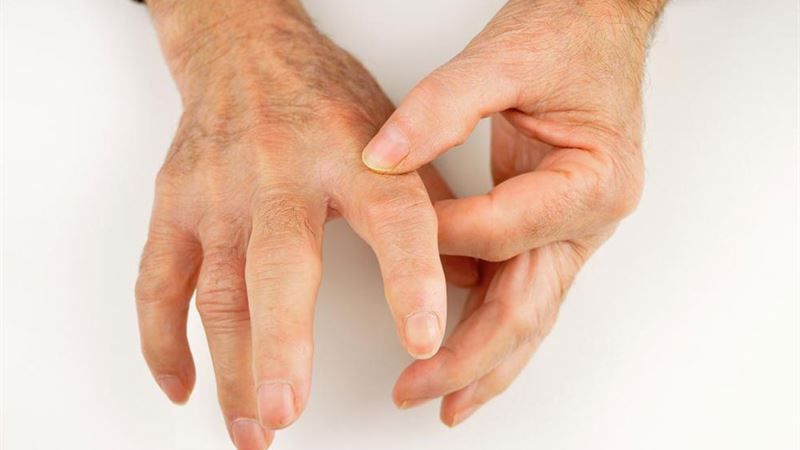
In this expanded article, we explore in detail the signs and symptoms that distinguish gout from rheumatoid arthritis, various treatment options including medications, lifestyle modifications, and holistic approaches. We will also delve into current advancements in treatments, practical advice for symptom management, and the importance of a comprehensive care plan tailored to individual needs.
Understanding Gout and Rheumatoid Arthritis: The Basics
Gout and rheumatoid arthritis are both autoimmune and inflammatory conditions, but they differ significantly in their causes, symptoms, and affected areas. Proper diagnosis is essential to implement the most effective treatment plan, prevent joint destruction, and improve overall health.
Differences Between Gout and Rheumatoid Arthritis
- Predominant Affected Regions: Gout commonly targets the base of the big toe, often presenting with sudden and intense pain. RA primarily affects the joints of the wrists, hands, and knees, leading to chronic inflammation and deformity if untreated.
- Signs and Symptoms: Gout episodes are characterized by redness, swelling, warmth, and excruciating pain during flare-ups. RA, on the other hand, involves persistent joint pain, stiffness (especially in the mornings), and swelling, which may not always be accompanied by redness.
- Onset and Duration: Gout attacks are sudden and episodic, whereas RA tends to develop gradually over time, leading to persistent discomfort and joint damage.
Spotting the Symptoms: How to Differentiate Gout from RA
Recognizing the differences in symptoms helps in early diagnosis and tailoring the treatment. Keep an eye out for specific signs:
- Gout: Sudden severe pain in the big toe, redness and warmth over affected joints, often awakening the person at night.
- RA: Persistent joint stiffness lasting more than an hour, symmetrical joint swelling, and gradual loss of joint function.
Effective Treatment Strategies for Gout
Gout affects approximately 4% of the population at some stage, making it one of the most common forms of arthritis. Managing gout involves both immediate relief during flare-ups and long-term strategies to prevent future attacks. There are two main types of medication used:
Short-term Relief Medications for Gout Flare-ups
- NSAIDs: Nonsteroidal anti-inflammatory drugs such as ibuprofen, naproxen, and aspirin are often the first line of treatment. For best results, take them within 24 hours of the onset of symptoms. These medications help reduce inflammation and relieve pain temporarily.
- Corticosteroids: Steroids like prednisone can be administered orally, via injection, or intravenously under medical supervision to rapidly diminish inflammation and alleviate pain during acute attacks.
- Colchicine: This plant-derived drug has a long history of use in gout management. During an attack, two tablets are generally taken, with a maintenance dose prescribed for ongoing control to prevent future flares.
Long-term Management and Prevention
- Urate-lowering therapy: Medications such as allopurinol, febuxostat, and probenecid help reduce uric acid levels in the blood, decreasing the frequency and severity of gout attacks.
- Dietary modifications: Limiting intake of purine-rich foods, alcohol, and sugary drinks reduces uric acid production.
- Hydration: Proper fluid intake aids in flushing excess uric acid from the body.
Therapeutic Approaches for Rheumatoid Arthritis
Unlike gout, RA is a chronic autoimmune disease with no known cure. The goal of treatment is to control inflammation, minimize joint damage, and improve functional ability. Various medications and therapies are employed today:
Medications for Rheumatoid Arthritis
- Disease-modifying antirheumatic drugs (DMARDs): These are frontline treatments that alter the disease process. Examples include methotrexate, leflunomide, and cyclophosphamide. They can be administered orally, via injections, or intravenously. Regular monitoring is essential to manage potential side effects.
- NSAIDs and corticosteroids: Used to provide quick relief from pain and inflammation, they are used in combination with DMARDs for comprehensive management.
- Biologic agents: These are newer therapies targeting specific immune system pathways, reducing inflammation and preventing joint damage.
Non-medication Strategies
- Physical therapy and exercises: Customized programs help maintain joint flexibility, strengthen muscles, and reduce stiffness.
- Occupational therapy: Assists in adapting daily activities to minimize joint stress and preserve function.
- Lifestyle modifications: Maintaining a healthy weight, avoiding smoking, and adopting a balanced diet can significantly influence disease progression.
Complementary and Alternative Treatments
Alongside conventional medicine, several non-pharmacological approaches can enhance overall well-being and reduce symptoms:
- Physiotherapy: Techniques such as manual therapy and targeted exercises improve joint function and reduce stiffness.
- Stress reduction methods: Yoga, meditation, and deep-breathing exercises decrease anxiety and may lessen pain perception.
- Gentle exercise routines: Low-impact activities like swimming or walking strengthen muscles without stressing joints.
- Thermal therapies: Applying heat pads alleviates stiffness, while cold packs can diminish swelling and numb pain.
- Nutritional support: Incorporate anti-inflammatory foods, omega-3 fatty acids, and supplements like vitamin D to bolster immune health.
Adopting a Wellness-Centric Lifestyle
Beyond medications, lifestyle changes play a pivotal role in managing RA and gout effectively. Prioritize maintaining a healthy weight to reduce joint stress and uric acid load. Regular physical activity tailored to individual capacity enhances joint mobility and overall vitality. Balanced nutrition rich in fruits, vegetables, lean proteins, and healthy fats helps mitigate inflammation. Adequate hydration is essential for maintaining joint lubrication and facilitating waste elimination. Avoiding smoking and limiting alcohol consumption can significantly improve treatment outcomes. Regular medical checkups and ongoing communication with healthcare providers ensure adjustments to the treatment plan as needed.
Summary and Final Thoughts
Managing rheumatoid arthritis and gout requires a multifaceted approach combining medications, lifestyle modifications, and alternative therapies. Early diagnosis, adherence to prescribed treatments, and proactive health habits can make a profound difference in controlling symptoms and preventing disease progression. Advances in medicine continue to offer hope, with newer biologics and targeted therapies providing better management options. Empowering yourself with knowledge and working closely with your healthcare team are key steps toward maintaining joint health, reducing pain, and living a fulfilling life despite these chronic conditions.