
Effective Strategies to Relieve Gout Pain Naturally in Three Simple Steps
Discover natural and effective methods to alleviate gout pain without reliance on medication. This comprehensive guide covers three simple yet powerful steps—hydration with baking soda, cherry consumption, and eating blueberries—to help reduce inflammation, lower uric acid levels, and prevent gout attacks. Incorporate these strategies into your daily routine for sustainable relief and improved joint health. Learn natural remedies backed by scientific evidence to manage gout effectively and enjoy a better quality of life through lifestyle and dietary modifications.
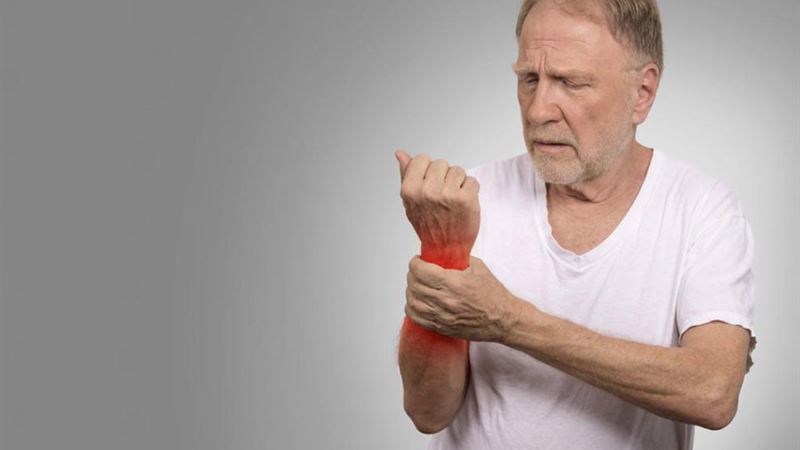
Gout is a common form of inflammatory arthritis characterized by sudden and severe pain, redness, and swelling in the joints, especially the big toe. While medication prescribed by healthcare providers, such as allopurinol, can help manage uric acid levels and reduce gout attacks, there is no permanent cure. Gout tends to recur periodically, making ongoing management essential. Many sufferers worry about the side effects associated with long-term drug use, which can include skin reactions, headaches, nausea, stomach discomfort, and ulcers. Therefore, natural remedies and lifestyle changes are increasingly preferred for long-term relief and prevention of gout flare-ups.
Understanding how to effectively manage gout pain without relying solely on pharmaceuticals is crucial. Lifestyle adjustments, dietary modifications, and natural remedies can significantly reduce the frequency and severity of attacks. This comprehensive guide explores three straightforward, evidence-based steps to alleviate gout pain naturally, helping sufferers regain comfort and improve their quality of life.
- Step 1: Hydration and Sodium Bicarbonate Therapy
- Step 2: Incorporate Cherries into Your Daily Diet
- Step 3: Eat Blueberries and Other Anti-Inflammatory Fruits
In addition to these three primary steps, there are numerous other natural methods which may help in managing gout pain effectively. Regular exercise, weight management, reducing purine-rich foods like red meat and shellfish, and avoiding alcohol are vital supportive strategies. It’s essential to work closely with a healthcare professional to develop a personalized plan that combines these natural remedies with your medical treatment for optimal results. Remember, patience and consistency are critical in managing a recurrent condition like gout. Embracing a holistic approach can lead to long-term relief and prevent future attacks, allowing you to live more comfortably and actively.