
Effective Strategies for Naturally Managing and Lowering Blood Sugar Levels
Discover proven natural methods to lower blood sugar levels through diet, exercise, and lifestyle changes. Learn how to identify symptoms of hyperglycemia and which foods support healthy glucose management. This comprehensive guide offers practical tips suitable for prediabetic and diabetic individuals aiming for better control and overall health improvement.
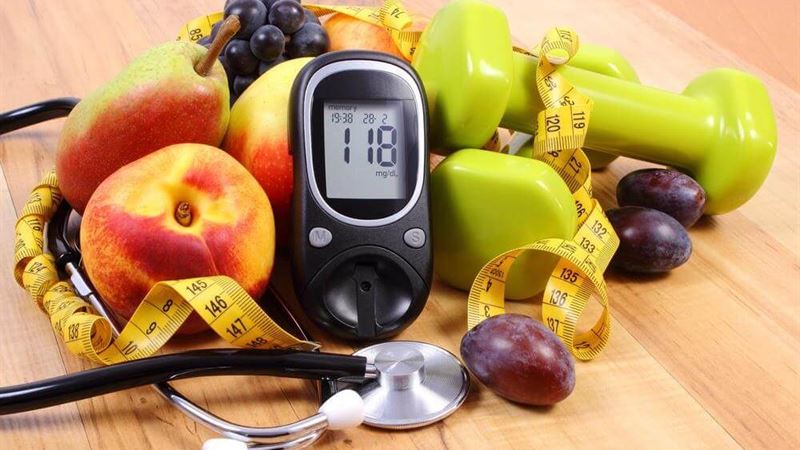
Managing blood sugar levels is a common concern for individuals with prediabetes, diabetes, or those at risk of developing these conditions. Elevated blood sugar can result from various factors, including lifestyle, diet, and stress levels. Fortunately, adopting certain lifestyle and dietary modifications can significantly help in controlling and reducing blood glucose levels naturally, often leading to improved health outcomes and a better quality of life.
In this comprehensive guide, we will explore practical, proven strategies to lower blood sugar, understand the signs of hyperglycemia, identify foods that support healthy glucose levels, and reveal lifestyle habits that promote better insulin sensitivity. Whether you're seeking remedies to manage mild increases in blood sugar or aiming for overall wellness, this information will serve as a valuable resource in your health journey.
Identifying High Blood Sugar: Symptoms and Indicators
- One of the initial signs of elevated blood sugar is persistent and excessive thirst, often accompanied by dry mouth. This symptom occurs because high blood sugar levels lead to dehydration as the kidneys work overtime to excrete excess glucose through urine.
- Frequent urination is another hallmark of hyperglycemia. When blood sugar levels are high, the kidneys attempt to eliminate the surplus, resulting in increased trips to the bathroom throughout the day and even during the night.
- People with high blood sugar may also experience unexplained fatigue or persistent tiredness. Elevated glucose levels impair energy utilization, making individuals feel lethargic and drained.
- Dry mouth, along with a constant feeling of exhaustion and irritability, can signal that blood sugar levels are out of balance.
- Additional warning signs may include blurred vision, slow wound healing, and recurrent infections, all pointing toward the need for blood sugar management.
Foods to Limit or Avoid for Better Blood Sugar Control
- Carbohydrate-rich foods such as white bread, white rice, cereals, pasta, sugars, sweet desserts, and high-fat dairy products can cause sharp rises in blood glucose levels. Reducing intake of these foods can help stabilize sugar levels.
- Fruits, while nutritious, contain natural sugars that can impact blood sugar if consumed excessively or in unbalanced portions. Opt for lower glycemic index fruits like berries and green apples.
- Processed foods, snacks, and baked goods often contain hidden sugars, trans fats, and refined carbs that exacerbate blood sugar spikes.
- Instead of these, incorporate low glycemic index foods, whole grains, legumes, and vegetables that have a slower, steadier impact on blood sugar.
Dietary Adjustments to Naturally Lower Blood Sugar
- Adopt a low-carbohydrate diet focusing on reducing refined carbs and increasing intake of fiber-rich foods. High-fiber soluble fibers, found in oats, flaxseeds, and vegetables, can slow glucose absorption.
- Practice portion control by measuring food intake to prevent overeating and maintain steady blood sugar levels throughout the day.
- Include healthy protein sources such as lean meats, eggs, legumes, and nuts, which can help keep blood sugar levels stable and promote satiety.
- Eat smaller, more frequent meals rather than large, infrequent ones to avoid blood sugar spikes and dips.
Non-Medication Approaches to Lower Blood Sugar Levels
- If your blood sugar is mildly elevated, consult your healthcare provider about natural and lifestyle interventions that can help restore normal levels without medication.
- Regular physical activity is one of the most effective ways to enhance insulin sensitivity. Activities like brisk walking, jogging, cycling, swimming, and strength training can help your body utilize glucose more effectively.
- Stay well-hydrated by drinking plenty of water throughout the day, facilitating the flushing out of excess glucose through urine.
- Manage stress through activities like meditation, yoga, deep breathing exercises, or hobbies that promote relaxation. Stress hormones like cortisol can elevate blood sugar levels.
- Monitor blood glucose levels routinely using devices or glucometers. Keeping track helps you understand how your diet and activity levels impact your blood sugar and adjust accordingly.
Foods That Support and Enhance Blood Sugar Regulation
- Incorporate foods that boost insulin sensitivity and lower blood glucose, such as healthy fats found in avocados and olive oil. These foods help reduce inflammation and blood pressure while stabilizing sugar levels.
- Eating fatty fish like salmon, tuna, mackerel, and trout rich in omega-3 fatty acids can improve insulin sensitivity and support cardiovascular health.
- Additional beneficial foods include sour cherries, apple cider vinegar, garlic, leafy greens, dark chocolate with high cacao content, chia seeds, almonds, nuts, and whole grains. These choices contribute to better blood sugar regulation.
- Considering herbal supplements or teas like cinnamon or fenugreek after consulting with your healthcare provider may also support blood sugar maintenance.
Conclusion
Managing blood sugar levels is a multifaceted approach that involves dietary choices, lifestyle adjustments, and consistent monitoring. While medication may be necessary for some, many individuals can achieve control through natural methods, including nutritious diet, regular physical activity, stress management, and hydration. By understanding the early signs of hyperglycemia and adopting these strategies, you can significantly improve your health and reduce the risk of diabetes-related complications. Empower yourself with knowledge and proactive habits to maintain stable blood sugar levels and enjoy a healthier life.