
Effective Dietary Strategies to Control Blood Sugar and Manage Hypertension
Discover comprehensive dietary strategies to effectively regulate blood sugar and lower hypertension. Learn about the best fruits, vegetables, whole grains, and lean proteins to incorporate into your daily meals. This detailed guide helps you make healthier choices to improve cardiovascular health, control diabetes, and promote overall wellness through smart eating habits and cooking techniques.
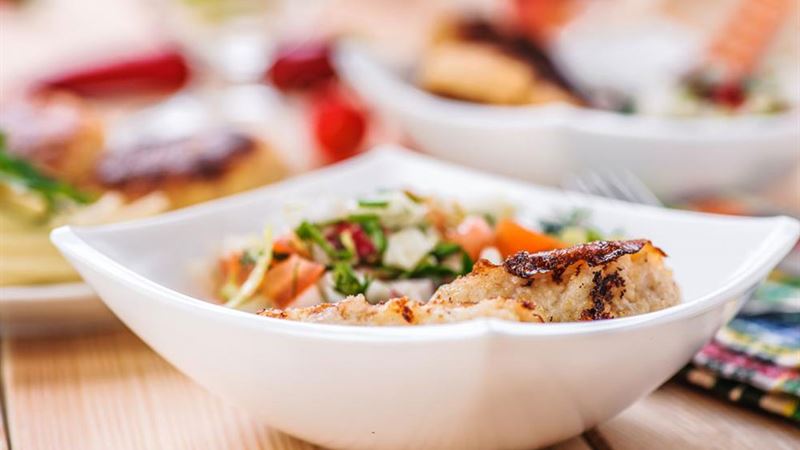
Managing blood sugar levels and controlling hypertension are critical aspects of maintaining overall health and preventing chronic diseases. One of the most effective ways to achieve this is through strategic dietary choices. In this comprehensive guide, we will explore a wide array of food options and eating habits that can significantly contribute to stabilizing blood glucose and lowering high blood pressure. Whether you are diagnosed with diabetes, hypertension, or simply aiming for a healthier lifestyle, following these nutritional guidelines can help you achieve your health goals.
Incorporating a Variety of Fruits and Vegetables
Fruits and vegetables are foundational components of a heart-healthy, blood-sugar-regulating diet. They are packed with essential vitamins, minerals, fiber, and antioxidants, which are vital for overall health and disease prevention. When aiming to control blood sugar and hypertension, it’s important to select the right types and portions. Berries such as strawberries, blueberries, and blackberries are excellent choices due to their low glycemic index and high antioxidant content. Tomatoes, plums, and kiwis also provide beneficial nutrients that support vascular health and stabilize blood sugar levels.
Leafy greens like spinach and kale are rich in magnesium and potassium—minerals crucial in regulating blood pressure. Avocados add healthy monounsaturated fats that can improve lipid profiles, while cruciferous vegetables like Brussels sprouts, cauliflower, and bell peppers are low in starch and high in fiber, promoting better glucose control and cardiovascular health. Incorporating small amounts of starchy vegetables such as baked sweet potatoes, squash, and pumpkin can add variety without causing dramatic spikes in blood sugar, especially when consumed in moderation.
Choosing Whole Grains for Better Blood Sugar Regulation
Whole grains are a cornerstone of a balanced diet aimed at managing both hypertension and diabetes. They are rich in dietary fiber, which slows down digestion and the absorption of sugars, thereby preventing rapid spikes in blood glucose. Whole grain foods include items like whole wheat bread, brown rice, quinoa, barley, and air-popped popcorn. Regularly replacing refined grains with whole grains can lead to improved insulin sensitivity and sustained energy levels.
Additionally, whole grains have a lower glycemic index compared to refined grains, helping to keep blood sugar more稳定. Incorporate these foods into your meals consistently. For example, start your day with a bowl of oatmeal topped with berries, or use whole grain tortillas for wraps and sandwiches. These choices not only help control blood sugar but also promote a feeling of fullness, reducing overeating and aiding weight management, which is beneficial for blood pressure control.
Focusing on Lean Protein Sources
Protein intake plays an important role in managing blood sugar and blood pressure. While high-fat meats and full-fat dairy products can exacerbate hypertension and insulin resistance, lean protein sources are healthier options. Incorporate poultry such as turkey and chicken in place of red meats to reduce saturated fat intake. Fish, especially fatty varieties like salmon, mackerel, and sardines, provides omega-3 fatty acids that support heart health and may help lower blood pressure.
The Dietary Approaches to Stop Hypertension (DASH) diet emphasizes consuming 2 to 3 servings of low-fat dairy and 5 to 6 servings of lean meats, fish, or poultry daily. Cooking methods also matter—baking, steaming, and grilling are preferable to frying, and using heart-healthy oils like olive or canola oil can further enhance the quality of your meals. Balancing your diet with adequate protein not only helps maintain muscle mass but also stabilizes blood sugar levels and supports cardiovascular health.
Adopting regular meal timings and avoiding long gaps between meals can prevent blood sugar fluctuations. It is equally important to limit the intake of caffeine and alcohol, as excessive consumption can worsen blood pressure and blood sugar control. By making these straightforward yet impactful dietary modifications, you can effectively reduce hypertension and manage blood glucose levels, paving the way for a healthier, more balanced life.