
The Therapeutic Benefits and Growing Popularity of Hyper-Realistic Baby Dolls
Hyper-realistic baby dolls have gained widespread popularity as therapeutic tools. They help alleviate loneliness, provide comfort for grieving parents, and serve as coping mechanisms for individuals facing emotional or psychological challenges. Their life-like appearance evokes nostalgia, fosters emotional well-being, and offers a safe outlet for nurturing and remembrance. As technology refines their realism, these dolls continue to play a significant role in emotional healing and mental health support, benefiting diverse communities worldwide.
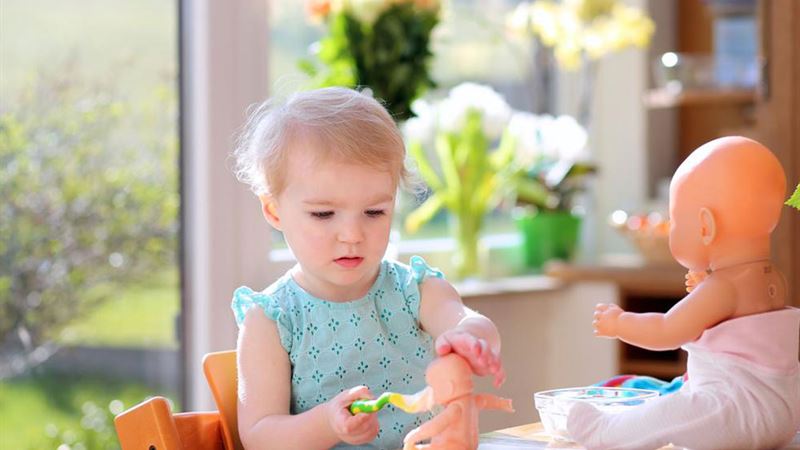
Across diverse cultures worldwide, the arrival of a child symbolizes a profound milestone, often viewed as a bridge to reconciliation for strained relationships. The birth of a baby is associated with renewed hope, excitement, and a sense of purpose, particularly for women battling emotional challenges such as anxiety, depression, or feelings of loneliness. In recent years, the fascination with ultra-lifelike dolls, often called hyper-realistic baby dolls, has surged dramatically on digital platforms. These dolls have become a popular choice among collectors and enthusiasts, appealing especially to older women, individuals experiencing psychological difficulties, and those seeking comfort or companionship.
For women dealing with infertility, menopause, or social isolation, hyper-realistic baby dolls can serve as substitutes for real babies. Many owners indulge in bathing, dressing, and caring for these dolls, creating routines that resemble caring for an actual child. While there is a concern that such reliance might develop into an unhealthy dependence, many individuals find these activities to serve as positive coping mechanisms, helping them navigate complex emotional landscapes.
Similarly, parents who have experienced the loss of a child often turn to realistic dolls for comfort and emotional support. Although some interpret this behavior as an unhealthy attachment, others see it as a meaningful way to preserve the memory of their child, allowing them to relive moments of innocence and love. These dolls act as tangible symbols of remembrance, providing a sense of ongoing connection and solace amidst grief.
The widespread popularity of hyper-realistic baby dolls stems from their unique ability to evoke feelings of happiness, nostalgia, and emotional stability. They are not merely toys but serve as therapeutic tools that help individuals cope with life's challenges, offering a sense of calm and purpose. As technology advances, these dolls become increasingly realistic, making their presence even more impactful. Whether used as a source of comfort, therapy, or collection, these lifelike dolls continue to grow in cultural relevance and emotional significance worldwide, underscoring their vital role in supporting mental health and emotional resilience.