
Understanding the Key Signs and Management of Parkinson’s Disease
This detailed guide explores the common symptoms, diagnostic clues, treatment options, and caregiving strategies for Parkinson’s disease. Recognizing early signs and understanding management approaches can greatly improve patients’ quality of life. The article emphasizes the importance of early intervention, medication management, and supportive care to handle both motor and non-motor symptoms effectively.
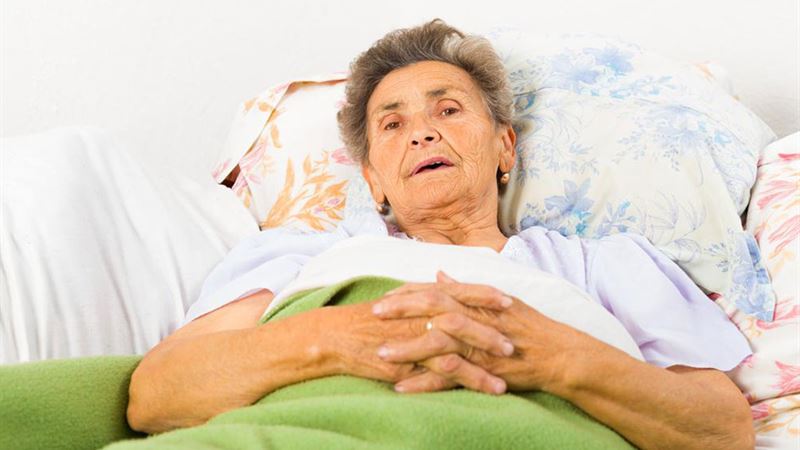
Parkinson’s disease is a progressive neurological disorder that gradually hampers movement and affects various bodily functions. It primarily results from the loss of dopamine-producing neurons in the brain, leading to a range of motor and non-motor symptoms. Recognizing these symptoms early is crucial for managing the condition effectively. In this comprehensive guide, we explore the most common signs of Parkinson’s disease, available treatment options, and practical tips for caregiving to improve quality of life for those affected.
Initial Symptoms Often Appear Unilaterally
In its early stages, Parkinson’s disease usually manifests on just one side of the body. The classic signs include tremors in the lips, chin, and tongue, which may seem minor at first. As the disease progresses, these tremors tend to spread to the opposite side. Interestingly, environmental and emotional stress can exacerbate tremors, while periods of relaxation often reduce their severity. Recognizing these early unilateral tremors can be a vital clue for early diagnosis and intervention.
Resting Tremors and Their Characteristics
One of the hallmark symptoms is a resting tremor, typically characterized by rhythmic, involuntary shaking that occurs when muscles are relaxed. These tremors are most visible in the hands, but can also appear in the lips, chin, or other facial muscles. Patients may notice that their tremors worsen during stressful situations or when they are fatigued, and lessen during sleep or deep relaxation. Understanding these tremors helps differentiate Parkinson’s from other movement disorders and prompts timely medical consultation.
Freezing and Motor Blockages
Freezing of movement, often referred to as 'freezing episodes,' is a common symptom where individuals suddenly find themselves unable to initiate or continue movement. This phenomenon often occurs when walking through doorways, in crowded spaces, or when trying to start walking after stopping. Freezing significantly increases the risk of falls and injury, making it an important symptom to monitor and address through therapeutic strategies and medication management.
Muscle Stiffness and Rigidity
Early in Parkinson’s, muscles tend to become stiff and inflexible, a symptom known as rigidity. This stiffness can affect one side of the body initially, reducing arm swing while walking or causing resistance to movement when attempting to bend or straighten limbs. Over time, rigidity may spread to other parts of the body, leading to discomfort, aching, and decreased range of motion. Patients often report feeling tightness or soreness, which can interfere with daily activities.
Facial Expression and Communication Challenges
As Parkinson’s affects facial muscles, patients often exhibit diminished facial expressions—a condition called hypomimia, or 'masked face.' This reduced expressiveness can be mistaken for disinterest or depression. Additionally, muscles involved in swallowing weaken, leading to difficulty swallowing (dysphagia), drooling, and slower speech. These changes can impact social interactions and emotional well-being, emphasizing the need for supportive therapies and communication strategies.
Alterations in Gait and Balance
Walking problems are typical in Parkinson’s, including shuffling steps, reduced arm swing, and a tendency to walk with feet close together. Patients may lean forward or droop, struggle with maintaining balance, and experience frequent falls. These gait disturbances not only impair mobility but also significantly increase fall risk. Early intervention with physical therapy and assistive devices can help preserve mobility and safety.
Losing the Sense of Smell
Olfactory dysfunction, or diminished sense of smell, often appears before the motor symptoms become evident. This symptom results from nerve damage affecting the olfactory pathways and can diminish the ability to enjoy food, as smell is closely linked to taste. Recognizing loss of smell as a potential early sign can prompt earlier screening and diagnosis.
Memory Impairment and Cognitive Changes
While Parkinson’s primarily affects movement, it can also lead to cognitive decline in later stages. This includes memory loss, confusion, difficulties with problem-solving, and, eventually, dementia. Elderly patients are particularly vulnerable to these cognitive issues, which can complicate disease management and affect independence. Early cognitive assessments and supportive therapies are essential components of holistic care.
Reproductive and Sexual Health Issues
Men with Parkinson’s often report erectile dysfunction, which stems from both neurological impairment and side effects of medication. Gonadal hormone changes and autonomic nervous system involvement also contribute to sexual health challenges. Addressing these issues openly with healthcare providers can improve overall quality of life.
Gastrointestinal Symptoms and Constipation
Gastrointestinal disturbances, especially constipation, are common in Parkinson’s. The disease’s impact on autonomic functions slows bowel movements, leading to discomfort and additional health concerns. Managing constipation includes dietary modifications, adequate hydration, and medications as prescribed.
Available Treatments and Management Strategies
Although Parkinson’s disease currently has no cure, various treatments can significantly alleviate symptoms and improve daily functioning. Pharmacological options include:
- Carbidopa-levodopa: The most effective medication for increasing dopamine levels.
- Dopamine agonists: Mimic dopamine’s effects in the brain.
- MAO-B inhibitors: Slow down dopamine breakdown.
- COMT inhibitors: Extend the effect of levodopa.
In addition to medications, surgical interventions like deep brain stimulation (DBS) offer relief for certain symptoms. DBS involves implanting electrodes into specific brain regions to regulate abnormal activity, significantly reducing tremors and rigidity. However, it carries risks such as stroke, infection, or hemorrhage, so thorough evaluation is essential.
Comprehensive Care and Support for Patients
Managing Parkinson’s involves a multidimensional approach:
- Regular medical checkups and medication adjustments.
- Physical, occupational, and speech therapy to maintain mobility, communication, and daily activities.
- Psychological counseling for coping with emotional and mental health challenges.
- Home modifications for safety and ease of movement.
Supporting a loved one with Parkinson’s requires patience, education, and compassion. Encouraging independence while ensuring safety can help maintain dignity and improve quality of life. Caregivers should also seek support networks or counseling to prevent burnout and emotional strain.
In conclusion, early recognition and proactive management of Parkinson’s disease symptoms are vital for enhancing patient outcomes. Advances in medical treatments and supportive therapies continue to improve quality of life for those living with this complex disorder.