
Understanding Parkinson’s Disease: Causes, Progression, and Life Expectancy Insights
Explore comprehensive insights into Parkinson’s disease, including its causes, symptoms, progression, treatment options, and factors influencing life expectancy. Early detection remains key to managing this complex neurodegenerative disorder effectively, ensuring better quality of life for patients.
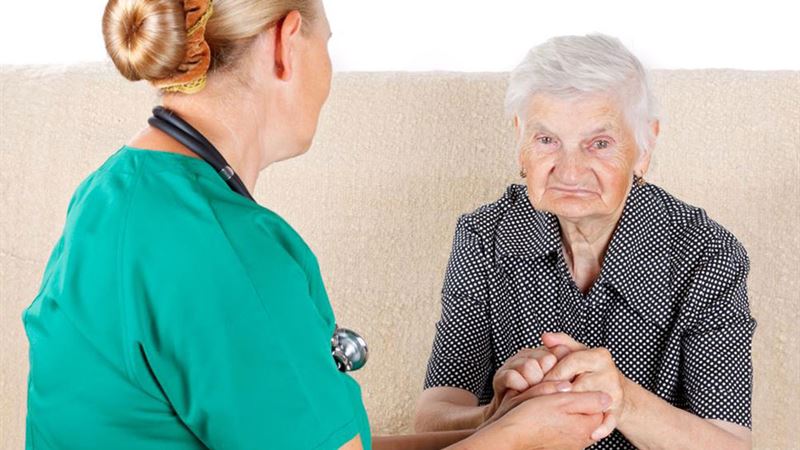
Parkinson’s disease is a complex neurodegenerative disorder that primarily affects movement. While the exact cause remains unknown, various theories suggest environmental factors like prolonged exposure to pesticides and other toxins could play a role. Studies have consistently shown that men are approximately 50% more susceptible to developing Parkinson’s than women, indicating possible sex-based biological differences. Understanding the disease’s progression, symptoms, and treatment options is essential for early diagnosis and management.
**Causes and Risk Factors of Parkinson’s Disease**
Parkinson’s disease results from the progressive loss of dopamine-producing neurons in the substantia nigra, a region in the brain responsible for coordinating movement. The decline in dopamine levels impairs communication between nerve cells, leading to the characteristic motor symptoms of the disease. Although the precise trigger remains elusive, research points towards a multifactorial origin involving genetic predispositions and environmental influences. Some of the potential risk factors include genetic mutations, exposure to certain pesticides and chemicals, and age-related changes in brain chemistry.
Parkinson’s disease results from the progressive loss of dopamine-producing neurons in the substantia nigra, a region in the brain responsible for coordinating movement. The decline in dopamine levels impairs communication between nerve cells, leading to the characteristic motor symptoms of the disease. Although the precise trigger remains elusive, research points towards a multifactorial origin involving genetic predispositions and environmental influences. Some of the potential risk factors include genetic mutations, exposure to certain pesticides and chemicals, and age-related changes in brain chemistry.
**Epidemiology and Demographics**
Parkinson’s predominantly affects older adults, with the average age of onset around 60 years. However, cases have been documented in younger individuals as early as 30 years old. Men are notably more affected than women, a disparity that continues to intrigue researchers. The lifetime risk of developing Parkinson’s increases with age, and it is estimated that about 1% of individuals over 60 are afflicted globally. Genetic factors may account for some familial cases, but most instances are sporadic, arising without clear hereditary links.
Parkinson’s predominantly affects older adults, with the average age of onset around 60 years. However, cases have been documented in younger individuals as early as 30 years old. Men are notably more affected than women, a disparity that continues to intrigue researchers. The lifetime risk of developing Parkinson’s increases with age, and it is estimated that about 1% of individuals over 60 are afflicted globally. Genetic factors may account for some familial cases, but most instances are sporadic, arising without clear hereditary links.
**Recognizing the Symptoms of Parkinson’s Disease**
Early stages of Parkinson’s can be subtle, often mistaken for normal signs of aging or other health issues. As the disease progresses, symptoms become more pronounced and interfere significantly with daily life. Recognizing these early signals can facilitate prompt diagnosis and intervention. Typical symptoms include tremors at rest, muscle rigidity, bradykinesia (slow movement), postural instability, and gait disturbances. Additionally, non-motor symptoms such as sleep disturbances, depression, constipation, and cognitive decline may also be present.
Early stages of Parkinson’s can be subtle, often mistaken for normal signs of aging or other health issues. As the disease progresses, symptoms become more pronounced and interfere significantly with daily life. Recognizing these early signals can facilitate prompt diagnosis and intervention. Typical symptoms include tremors at rest, muscle rigidity, bradykinesia (slow movement), postural instability, and gait disturbances. Additionally, non-motor symptoms such as sleep disturbances, depression, constipation, and cognitive decline may also be present.
**Detailed Symptom Breakdown**
- Tremors: Often characterized by a rhythmic shaking, especially in the hands, fingers, or jaw, tremors are a hallmark feature of Parkinson’s.
- Loss of Balance: Impaired balance and coordination result in unsteady gait, increasing fall risk.
- Uncontrolled Spasms: Involuntary muscle contractions can cause postural issues and discomfort.
- Slowness of Movement: Bradykinesia affects facial expressions, speech, and overall mobility.
- Cognitive and Psychiatric Symptoms: Dementia, depression, and hallucinations may develop in later stages.
- Memory Loss: Cognitive decline affects daily functioning and quality of life.
**Stages of Parkinson’s Disease: From Mild to Severe**
The disease progresses through five distinct stages, each characterized by increasing severity of symptoms and loss of independence. Understanding these stages helps in planning treatment and care strategies.
The disease progresses through five distinct stages, each characterized by increasing severity of symptoms and loss of independence. Understanding these stages helps in planning treatment and care strategies.
Stage 1: Initial Phase
Symptoms are mild and typically affect only one side of the body. Patients may experience slight tremors or changes in handwriting and facial expression. At this point, the symptoms are often subtle enough to go unnoticed, making early diagnosis challenging.
Symptoms are mild and typically affect only one side of the body. Patients may experience slight tremors or changes in handwriting and facial expression. At this point, the symptoms are often subtle enough to go unnoticed, making early diagnosis challenging.
Stage 2: Bilateral Symptoms
Both sides of the body are affected, leading to more noticeable tremors, rigidity, and slowed movements. Postural changes and gait difficulties start to emerge. Daily tasks may become slightly more challenging, but individuals can usually manage independently.
Both sides of the body are affected, leading to more noticeable tremors, rigidity, and slowed movements. Postural changes and gait difficulties start to emerge. Daily tasks may become slightly more challenging, but individuals can usually manage independently.
Stage 3: Significant Functional Impairment
Movement becomes noticeably slower, and balance problems increase, raising the risk of falls. While independence is often still maintained, daily activities like dressing, cooking, or cleaning require assistance or adaptations.
Movement becomes noticeably slower, and balance problems increase, raising the risk of falls. While independence is often still maintained, daily activities like dressing, cooking, or cleaning require assistance or adaptations.
Stage 4: Advanced Disease
Symptoms become severe, with rigidity and bradykinesia dominating. Patients often require assistance for most daily activities and may need mobility aids such as walkers or wheelchairs. Risks of falls and complications rise markedly.
Symptoms become severe, with rigidity and bradykinesia dominating. Patients often require assistance for most daily activities and may need mobility aids such as walkers or wheelchairs. Risks of falls and complications rise markedly.
Stage 5: Complete Dependence
This final stage involves complete loss of mobility. Patients are confined to bed or wheelchair and depend on caregivers for all needs. Cognitive decline and hallucinations tend to be more prominent during this phase.
This final stage involves complete loss of mobility. Patients are confined to bed or wheelchair and depend on caregivers for all needs. Cognitive decline and hallucinations tend to be more prominent during this phase.
The progression from early to advanced stages can span anywhere from 15 to 20 years, though this varies among individuals depending on genetics, overall health, and treatment approaches.
**Management and Treatment Options**
While there is currently no definitive cure for Parkinson’s disease, various therapies aim to manage symptoms and improve quality of life. Treatment plans are tailored to each individual, often involving a combination of medications, physical therapy, and lifestyle modifications.
While there is currently no definitive cure for Parkinson’s disease, various therapies aim to manage symptoms and improve quality of life. Treatment plans are tailored to each individual, often involving a combination of medications, physical therapy, and lifestyle modifications.
Medications
Levodopa remains the most effective drug, functioning as a precursor to dopamine to replenish its levels in the brain. Other medications include dopamine agonists, MAO-B inhibitors, and anticholinergic agents, which help control tremors, rigidity, and movement issues.
Levodopa remains the most effective drug, functioning as a precursor to dopamine to replenish its levels in the brain. Other medications include dopamine agonists, MAO-B inhibitors, and anticholinergic agents, which help control tremors, rigidity, and movement issues.
Surgical Interventions
Deep Brain Stimulation (DBS) involves implanting electrodes in specific brain regions to modulate abnormal activity, significantly reducing symptoms in some patients. Surgery is considered when medications are insufficient or cause adverse effects.
Deep Brain Stimulation (DBS) involves implanting electrodes in specific brain regions to modulate abnormal activity, significantly reducing symptoms in some patients. Surgery is considered when medications are insufficient or cause adverse effects.
Physical and Occupational Therapy
Customized exercises and therapies can help improve mobility, balance, and daily functioning. Speech therapy may address voice and swallowing difficulties, which are common in advanced stages.
Customized exercises and therapies can help improve mobility, balance, and daily functioning. Speech therapy may address voice and swallowing difficulties, which are common in advanced stages.
**Innovative and Complementary Approaches**
Emerging therapies include gene therapy and stem cell treatments, aiming to modify disease progression. Mindfulness, diet, and exercise regimens also support overall health and symptom management.
Emerging therapies include gene therapy and stem cell treatments, aiming to modify disease progression. Mindfulness, diet, and exercise regimens also support overall health and symptom management.
**Impact on Life Expectancy and Prognosis**
Parkinson’s primarily affects individuals over 60, but early-onset cases in younger adults are increasingly recognized. The disease’s progression influences life expectancy, with many patients living 15 to 20 years after initial diagnosis, especially with optimal management. Early diagnosis, rigorous treatment, and lifestyle adjustments can markedly enhance longevity and quality of life.
Parkinson’s primarily affects individuals over 60, but early-onset cases in younger adults are increasingly recognized. The disease’s progression influences life expectancy, with many patients living 15 to 20 years after initial diagnosis, especially with optimal management. Early diagnosis, rigorous treatment, and lifestyle adjustments can markedly enhance longevity and quality of life.
**The Significance of Early Detection**
Detecting Parkinson’s at an early stage offers the best chance to slow disease progression and implement supportive therapies earlier. Regular health checkups, awareness of subtle symptoms, and prompt medical consultation are crucial in improving outcomes. Advances in imaging and biomarker research are paving the way for more accurate early diagnostic tools.
Detecting Parkinson’s at an early stage offers the best chance to slow disease progression and implement supportive therapies earlier. Regular health checkups, awareness of subtle symptoms, and prompt medical consultation are crucial in improving outcomes. Advances in imaging and biomarker research are paving the way for more accurate early diagnostic tools.
Parkinson’s disease is a progressive neurological disorder with complex symptoms and multiple influencing factors. Although no cure exists yet, advancements in medication, surgical options, and supportive therapies have significantly improved management and patient quality of life. An emphasis on early diagnosis and personalized treatment plans remains essential for extending life expectancy and maintaining independence.