
Comprehensive Guide to Concrete Repair Methods and Essential Procedural Steps
This comprehensive guide explores effective concrete repair techniques, including grooving, stitching, and drilling, along with detailed procedural steps for addressing cracks and structural issues. Understanding proper methods helps homeowners and professionals maintain their structures' durability, ensuring long-lasting results and safety in both residential and commercial settings.
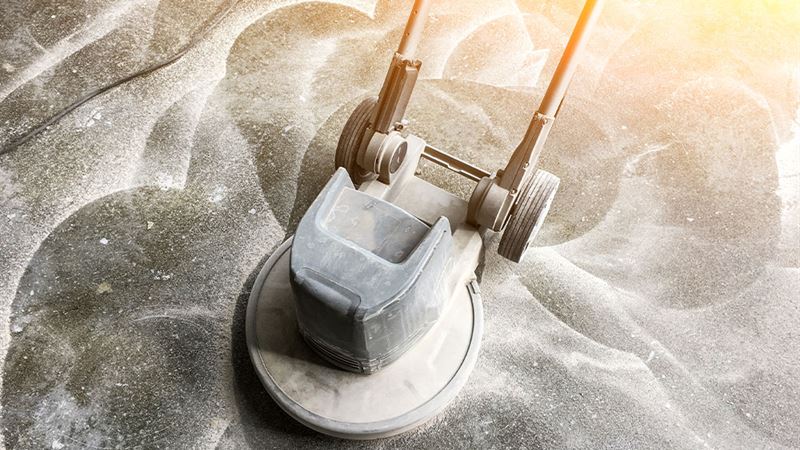
One of the most effective strategies to reinforce concrete structures involves the use of low-viscosity, non-shrink materials that bond strongly with steel reinforcement, far surpassing traditional cement in bonding strength. This kind of material significantly enhances the stability of large structures by providing superior chemical resistance and durability, ultimately ensuring safety and longevity. Recognizing the right repair method depends on correctly diagnosing the damage extent, which can vary greatly from minor cracks to deep structural fractures.
Understanding different concrete repair techniques can help homeowners, contractors, and engineers select the most suitable approach for specific issues. They range from simple surface patches to complex structural reinforcements. Here, we delve into some of the most common and reliable methods used in the industry today, guiding you through their applications, advantages, and limitations.
- Grooving and Sealing: Quick fix for minor cracks
Many small cracks and surface flaws do not necessitate extensive repairs. Instead, a technique called grooving and sealing can effectively address these issues. This method involves carefully chiseling the crack to determine its depth and shape, then carving a V-shaped groove along it. Once prepared, a high-quality joint sealant is injected into the groove to prevent the crack from expanding or worsening over time. To reinforce the seal, a steel rod can sometimes be inserted into the groove before sealing, providing added structural support. This process is streamlined and practical for surface-level cracks caused by thermal expansion, contraction, or minor settlement, making it suitable for walls, pavements, and slabs.
- Concrete Stitching: Binding and reinforcement for structural cracks
Concrete stitching is an effective, temporary repair solution that offers a means to hold concrete slabs together, especially when cracks are significant but not suitable for full replacement. This method involves inserting metal bars or rods into pre-drilled grooves on either side of the crack. The bars are then securely tightened, pulling the slabs into alignment and restoring the structural integrity temporarily. Although it does not provide an absolute seal, concrete stitching is valuable in situations requiring urgent stabilization or as a preparatory step before more permanent repairs like epoxy sealing can be performed. It's particularly effective on heavily cracked or separated slabs, parking lots, and foundation walls.
- Drilling and Plugging: Addressing deep-seated cracks
When cracks originate deep within a foundation or load-bearing support, surface repair methods may not suffice. Drilling and plugging become vital in these cases. The process involves strategically drilling into the crack at intervals to access and clean the damaged area thoroughly. Epoxy grout or similar sealing agents are then injected, filling the voids and bonding the crack tightly. Multiple drilling points may be necessary to ensure complete coverage, especially for linear or deep cracks. This method is particularly effective in stabilizing foundation walls, support beams, and other load-critical elements, providing the necessary structural reinforcement without invasive removal or replacement.
Step-by-step approach to concrete repair
While concrete is an incredibly durable material, it is susceptible to gradual degradation due to environmental exposure, mechanical stress, and chemical reactions. Proper identification of issues and methodical repair steps are essential for achieving durable outcomes.
- Step 1: Diagnose the root cause
Before initiating any repair, it’s vital to understand what caused the damage. Common culprits include water infiltration, freeze-thaw cycles, overloading, chemical exposure, or natural aging. Visually inspect the concrete for cracks, spalling, loosened sections, or surface discoloration. Testing may involve moisture analysis or core sampling to detect internal compromise. Pinpointing the cause informs the selection of appropriate repair materials and techniques, ensuring the fix addresses the underlying issue rather than just its symptoms.
- Step 2: Assess repair scope
Different damage types require tailored approaches. For minor cracks, surface patching with epoxy or sealants might suffice. Larger cracks or spalling necessitate removal of loose material, cleaning, and filling with concrete repair mortars or overlays. Structural cracks that threaten stability may require reinforcement or even partial replacement. For uneven slabs, slab jacking or leveling injections can restore original elevation. Categorizing the damage helps determine whether quick fixes are enough or if comprehensive structural interventions are necessary for long-term stability.
- Step 3: Prepare for repairs
Preparation underpins successful repairs. It involves cleaning the damaged area thoroughly, removing loose debris, and applying primer or bonding agents where necessary. Materials should be selected based on compatibility with existing concrete, environmental exposure, and load requirements. Precise measurement and planning ensure timely procurement of materials and scheduling of labor. For DIY repairs, small cracks can be filled with ready-to-use epoxy sealants available commercially, streamlining the process. For larger or more complex repairs, consulting professional contractors is recommended to ensure sound structural integrity and adherence to safety standards.
In addition to maintaining existing structures, understanding concrete installation practices is equally important. For new constructions, choosing the right grade of concrete—residential versus commercial—is crucial. Residential concrete emphasizes stability for small structures, while commercial-grade concrete offers higher strength to accommodate heavy loads and frequent movement of vehicles and equipment. Proper curing, reinforcement, and precise mixing are vital for achieving desired durability and performance. Contractors should adhere to industry standards and local building codes to ensure longevity and safety of new and repaired concrete structures.
Whether performing minor repairs or major structural rehabilitation, following these detailed procedures and mastering the various techniques is essential to preserving concrete integrity. Proper maintenance and timely intervention extend your structure’s life, saving costs on future repairs and ensuring safety for inhabitants and users alike.