
Comprehensive Guide to Pneumonia: Causes, Symptoms, and Effective Treatments
This comprehensive article explores pneumonia, covering its causes, symptoms, diagnostic methods, and treatment options. It emphasizes the importance of early detection, preventive measures, and adherence to treatment protocols to avoid severe complications. Gain insights into risk factors, the role of bacteria, and effective ways to protect yourself and loved ones from this potentially life-threatening respiratory condition.
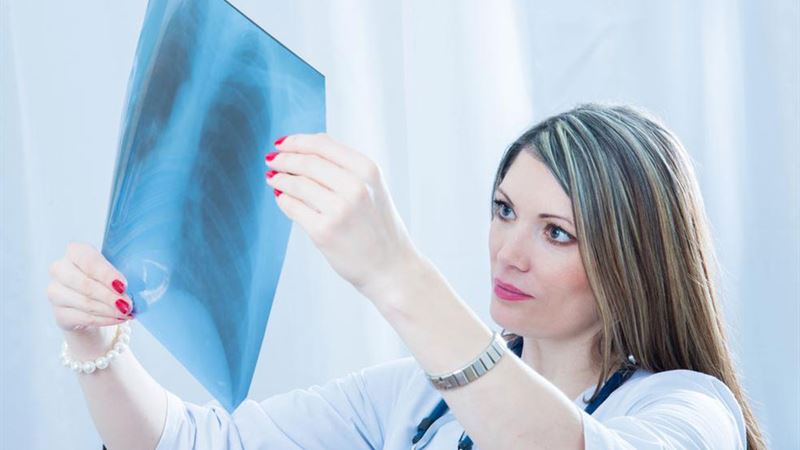
Understanding pneumonia is crucial for early diagnosis and effective management. This detailed article explores the primary causes of pneumonia, key symptoms to watch for, and the most effective treatment options available today. Whether you are concerned about yourself or a loved one, knowing the signs and knowing when to seek medical attention can be life-saving. Delve into this comprehensive guide to learn everything you need to know about pneumonia to safeguard your health and well-being.
### Causes of Pneumonia
At its core, pneumonia is an inflammatory condition affecting the lungs, primarily caused by infections from bacteria, viruses, fungi, or other microorganisms. Each pathogen triggers a different response, but all result in the inflammation of lung tissues, which can impair breathing and oxygen exchange. Understanding the root causes of pneumonia is essential for prevention and tailored treatment strategies.
At its core, pneumonia is an inflammatory condition affecting the lungs, primarily caused by infections from bacteria, viruses, fungi, or other microorganisms. Each pathogen triggers a different response, but all result in the inflammation of lung tissues, which can impair breathing and oxygen exchange. Understanding the root causes of pneumonia is essential for prevention and tailored treatment strategies.
#### Bacterial Causes of Pneumonia
The most common form of pneumonia stems from bacterial infections, with Streptococcus pneumoniae being the leading culprit. It enters the respiratory system through inhalation of contaminated droplets expelled by an infected person. Conditions that favor bacterial proliferation include exposure to cold weather, especially when the body's defenses are weakened due to inadequate clothing or exposure to cold environments for prolonged periods. Moreover, individuals with a weakened immune system, such as those with chronic illnesses or the elderly, are more susceptible. Pre-existing respiratory infections like the common cold or influenza can also make the lungs more vulnerable to bacterial invasion. When bacteria settle in the alveoli, they cause inflammation that leads to the typical symptoms associated with pneumonia.
The most common form of pneumonia stems from bacterial infections, with Streptococcus pneumoniae being the leading culprit. It enters the respiratory system through inhalation of contaminated droplets expelled by an infected person. Conditions that favor bacterial proliferation include exposure to cold weather, especially when the body's defenses are weakened due to inadequate clothing or exposure to cold environments for prolonged periods. Moreover, individuals with a weakened immune system, such as those with chronic illnesses or the elderly, are more susceptible. Pre-existing respiratory infections like the common cold or influenza can also make the lungs more vulnerable to bacterial invasion. When bacteria settle in the alveoli, they cause inflammation that leads to the typical symptoms associated with pneumonia.
### Environmental and Lifestyle Factors Contributing to Pneumonia
Environmental factors play a significant role in the risk of developing pneumonia. Exposure to cold temperatures without adequate clothing can lower local immune defenses, increasing susceptibility. Crowded living conditions, smoking, and pollution also compromise lung health. Additionally, lifestyle choices such as poor nutrition and lack of rest weaken the immune system, making it easier for opportunistic pathogens to infect the lungs. People working in healthcare or in close contact with large groups should exercise extra caution to prevent infection.
Environmental factors play a significant role in the risk of developing pneumonia. Exposure to cold temperatures without adequate clothing can lower local immune defenses, increasing susceptibility. Crowded living conditions, smoking, and pollution also compromise lung health. Additionally, lifestyle choices such as poor nutrition and lack of rest weaken the immune system, making it easier for opportunistic pathogens to infect the lungs. People working in healthcare or in close contact with large groups should exercise extra caution to prevent infection.
### Implications and Risks Associated with Pneumonia
Pneumonia can severely impair respiratory function and diminish the body’s ability to fight off future infections. The inflammation and fluid build-up in the lungs hinder oxygen absorption, often leading to symptoms like shortness of breath and fatigue. For individuals with chronic conditions such as diabetes, heart disease, or cancer, the impact can be especially severe, sometimes resulting in hospitalization or even critical health emergencies. Elderly populations are at a higher risk of complications, including sepsis or respiratory failure. Therefore, early intervention and preventive measures are crucial for vulnerable groups.
Pneumonia can severely impair respiratory function and diminish the body’s ability to fight off future infections. The inflammation and fluid build-up in the lungs hinder oxygen absorption, often leading to symptoms like shortness of breath and fatigue. For individuals with chronic conditions such as diabetes, heart disease, or cancer, the impact can be especially severe, sometimes resulting in hospitalization or even critical health emergencies. Elderly populations are at a higher risk of complications, including sepsis or respiratory failure. Therefore, early intervention and preventive measures are crucial for vulnerable groups.
### Recognizing the Symptoms of Pneumonia
Early detection of pneumonia relies on recognizing its main symptoms. A persistent cough that produces mucus or phlegm, often accompanied by chest discomfort, is typical. Patients frequently report chills, high fever, and rapid heartbeat. Alongside respiratory symptoms, systemic signs like nausea, vomiting, diarrhea, and general fatigue are common. Some may also experience muscle aches or headaches. The severity can vary; mild cases might resemble a severe cold, but with worsening symptoms such as difficulty breathing, chest pain that worsens with coughing or deep breaths, and persistent high fever, urgent medical attention should be sought.
Early detection of pneumonia relies on recognizing its main symptoms. A persistent cough that produces mucus or phlegm, often accompanied by chest discomfort, is typical. Patients frequently report chills, high fever, and rapid heartbeat. Alongside respiratory symptoms, systemic signs like nausea, vomiting, diarrhea, and general fatigue are common. Some may also experience muscle aches or headaches. The severity can vary; mild cases might resemble a severe cold, but with worsening symptoms such as difficulty breathing, chest pain that worsens with coughing or deep breaths, and persistent high fever, urgent medical attention should be sought.
### Diagnostic Procedures for Pneumonia
Diagnosing pneumonia involves a combination of medical history review, physical examination, and diagnostic tests. Chest X-rays are the primary tool to confirm the presence of lung inflammation, consolidation, or fluid buildup. Blood tests, including a complete blood count (CBC), help assess infection severity and identify the causative agent if possible. Sputum analysis, where mucus is collected and examined, aids in pinpointing the specific bacteria or fungi responsible. Sometimes, additional diagnostic procedures such as CT scans or pulse oximetry are used to evaluate lung function and oxygen levels.
Diagnosing pneumonia involves a combination of medical history review, physical examination, and diagnostic tests. Chest X-rays are the primary tool to confirm the presence of lung inflammation, consolidation, or fluid buildup. Blood tests, including a complete blood count (CBC), help assess infection severity and identify the causative agent if possible. Sputum analysis, where mucus is collected and examined, aids in pinpointing the specific bacteria or fungi responsible. Sometimes, additional diagnostic procedures such as CT scans or pulse oximetry are used to evaluate lung function and oxygen levels.
### Modern Treatment Strategies for Pneumonia
Treating pneumonia effectively requires a tailored approach based on the severity and causative agent. For bacterial pneumonia, antibiotics are the mainstay of treatment. It is vital to adhere strictly to the prescribed course; premature discontinuation may lead to antibiotic resistance or recurrence. Viral pneumonia may be managed with antiviral medications, along with supportive care. Fungal pneumonia necessitates antifungal agents. In addition to pharmacological treatment, supportive measures are critical. Rest, adequate hydration with hot liquids, and maintaining a nutritious diet help bolster the immune response. Oxygen therapy may be necessary in severe cases to ensure sufficient oxygen supply. Hospitalization might be needed for high-risk patients or those with complications.
Treating pneumonia effectively requires a tailored approach based on the severity and causative agent. For bacterial pneumonia, antibiotics are the mainstay of treatment. It is vital to adhere strictly to the prescribed course; premature discontinuation may lead to antibiotic resistance or recurrence. Viral pneumonia may be managed with antiviral medications, along with supportive care. Fungal pneumonia necessitates antifungal agents. In addition to pharmacological treatment, supportive measures are critical. Rest, adequate hydration with hot liquids, and maintaining a nutritious diet help bolster the immune response. Oxygen therapy may be necessary in severe cases to ensure sufficient oxygen supply. Hospitalization might be needed for high-risk patients or those with complications.
### Preventive Measures and Pro Tips
Prevention remains the best strategy against pneumonia. Vaccinations like the pneumococcal vaccine and annual influenza shots can significantly reduce risk. Maintaining good hygiene, avoiding smoking, and managing existing health conditions are also effective preventive measures. A balanced diet, regular exercise, and sufficient rest strengthen the immune system. People in crowded or polluted environments should wear masks and practice good respiratory hygiene. Early recognition of symptoms and seeking prompt medical attention can prevent minor illnesses from developing into full-blown pneumonia. Educating the public about pneumonia’s risk factors and prevention methods is essential for community health.
Prevention remains the best strategy against pneumonia. Vaccinations like the pneumococcal vaccine and annual influenza shots can significantly reduce risk. Maintaining good hygiene, avoiding smoking, and managing existing health conditions are also effective preventive measures. A balanced diet, regular exercise, and sufficient rest strengthen the immune system. People in crowded or polluted environments should wear masks and practice good respiratory hygiene. Early recognition of symptoms and seeking prompt medical attention can prevent minor illnesses from developing into full-blown pneumonia. Educating the public about pneumonia’s risk factors and prevention methods is essential for community health.
In conclusion, pneumonia is a serious respiratory illness caused by various infections, with bacterial pathogens being the most common. Early diagnosis, guided treatment, and preventive strategies can reduce complications and save lives. Understanding the causes, symptoms, and management options empowers individuals to protect their health effectively. If you notice signs of pneumonia, seek medical advice immediately to ensure appropriate care and a swift recovery.