
Comprehensive Guide to Lung Cancer: Causes, Symptoms, and Advanced Treatment Options
This comprehensive guide explores the causes, early signs, and advanced treatment options for lung cancer. Understanding risk factors like smoking, radon exposure, and genetic predispositions is essential for prevention. Recognizing symptoms such as persistent cough, chest pain, and systemic signs can lead to early diagnosis, crucial for better prognosis. Treatment strategies include surgery, radiation, chemotherapy, targeted therapy, and innovative options like radiosurgery. Staying informed about lung cancer enables early intervention, increasing survival rates and quality of life for patients affected by this formidable disease.
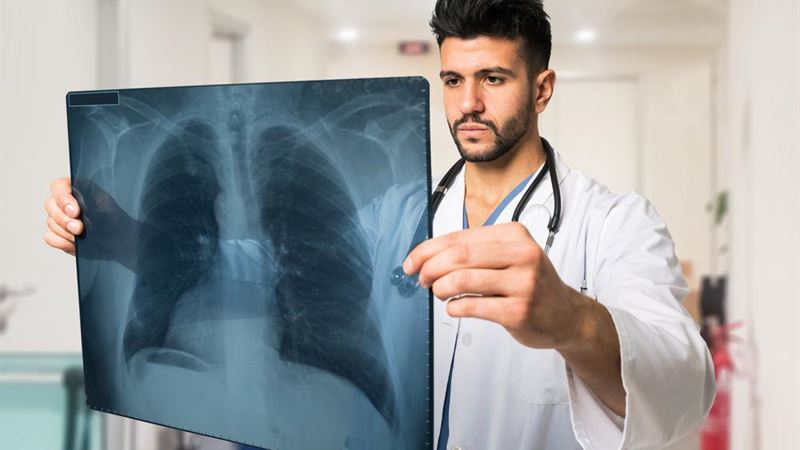
Understanding the Root Causes of Lung Cancer
Lung cancer remains one of the most prevalent and deadly types of cancer worldwide. Its development is primarily linked to lifestyle choices, environmental exposures, and genetic predispositions. The most significant risk factor is prolonged tobacco smoking, which accounts for a substantial percentage of lung cancer cases. However, other factors such as exposure to radon gas, asbestos, air pollution, and occupational hazards significantly contribute to the risk. The carcinogenic agents inhaled during smoking or exposure can cause cellular mutations in lung tissues, setting the stage for cancer development.
When tobacco smoke is inhaled, it introduces numerous carcinogens into the lungs, which directly interact with lung cells and cause genetic mutations. These mutations disturb normal cell growth and repair mechanisms, leading to abnormal cell proliferation. Over time, these mutated cells form tumors that can invade nearby tissues or metastasize to other parts of the body. Furthermore, a family history of lung cancer increases susceptibility, indicating a genetic component in addition to environmental factors.
Radon, a naturally occurring radioactive gas, can accumulate in homes and workplaces and is a known risk factor for lung cancer. Exposure to radon in confined environments significantly elevates the risk, especially among smokers. Similarly, exposure to asbestos, a fibrous mineral used in construction and industry, has been linked to mesothelioma and lung cancer, particularly in occupational settings. Chronic air pollution from vehicle emissions and industrial activities also plays a role, exposing individuals to airborne carcinogens over extended periods.
Additionally, genetic mutations and familial predispositions can influence an individual's susceptibility to lung cancer. Certain genetic markers are associated with increased risk, and these can be inherited or develop over a lifetime due to environmental exposures. A thorough understanding of these causes is essential for effective prevention strategies and early detection efforts.
Recognizing the Symptoms of Lung Cancer
Lung cancer often develops silently, especially in its early stages, displaying no noticeable symptoms. It is only when the cancer advances that symptoms become apparent, prompting individuals to seek medical attention. Therefore, awareness of potential signs and symptoms is crucial for early diagnosis, which significantly improves treatment outcomes.
Symptoms are generally categorized based on their location and the body systems affected. Understanding these distinctions helps in identifying the disease promptly. The primary site of origin is the lungs, but metastasis can affect other organs, leading to systemic manifestations.
Symptoms Related to Pulmonary Issues
Since lung cancer originates within the respiratory system, primary symptoms involve the lungs and chest area. These include:
- Persistent, intense coughing that worsens over time
- Difficulty breathing or shortness of breath
- Chest or shoulder pain, often persistent or worsening
- Changes in voice or hoarseness
- Coughing up phlegm that may contain blood
- Alterations in the amount or color of sputum
- Recurrent bronchitis or pneumonia symptoms
- Stridor or harsh sounds during breathing, indicating airway obstruction
Symptoms Indicating Spread Beyond Lungs
As lung cancer progresses, it can impact other parts of the body, leading to more systemic symptoms:
- Unexplained weight loss and loss of appetite
- Persistent fatigue and weakness
- Blood in stool or vomit, indicating bleeding
- Unusual fractures or bone pain due to metastasis
- Frequent headaches or neurological issues
- Swelling of the face and neck caused by superior vena cava syndrome
- Memory problems or cognitive changes
- Generalized swelling or fluid retention
Early detection of these symptoms requires vigilance, especially in individuals with risk factors like smoking history or occupational exposures. Regular health screenings and prompt medical evaluations are vital for improving prognosis.
Advanced and Conventional Treatment Modalities for Lung Cancer
Treating lung cancer involves a multidisciplinary approach tailored to the stage of the disease, patient health status, and specific tumor characteristics. The main treatment options are categorized into surgical procedures, radiation therapies, chemotherapy, targeted therapies, and innovative approaches like radiosurgery.
1. Surgical Intervention
Surgery remains the primary treatment modality for early-stage lung cancers confined to the lungs without metastasis. The surgeon performs a lobectomy, pneumonectomy, or segmentectomy to remove the tumor and nearby lymph nodes, reducing the risk of recurrence. Surgical options are typically considered when the tumor is localized and the patient's overall health permits surgery.
2. Radiation Therapy
High-energy X-ray beams are employed to destroy cancer cells by damaging their DNA, preventing proliferation. Radiation therapy can be used before surgery to shrink tumors, or after to eliminate residual cancerous tissues. Stereotactic body radiotherapy (SBRT) is a precise form of radiation suitable for patients unfit for surgery, delivering high doses in fewer sessions.
3. Chemotherapy
Chemotherapy involves drugs that target rapidly dividing cancer cells. It can be administered intravenously or orally. In many cases, chemotherapy is used as an adjunct to surgery or radiation to enhance efficacy, particularly in advanced stages. It helps in shrinking tumors, alleviating symptoms, and prolonging survival.
4. Radiosurgery and Stereotactic Radiotherapy
For patients with small, localized tumors not suitable for traditional surgery, radiosurgery offers a non-invasive alternative. It involves delivering precisely focused radiation from multiple angles, sparing surrounding healthy tissue and effectively destroying cancer cells.
5. Targeted Therapy and Precision Medicine
Modern advances in genomics have paved the way for targeted drug therapies aimed at specific genetic mutations within tumor cells. These therapies are beneficial for patients with identifiable molecular markers, especially in advanced or recurring lung cancers. They often result in fewer side effects compared to traditional chemotherapy.
Incorporating these multimodal approaches increases the chances of successful management and improving patient quality of life.