
Comprehensive Guide to Foot Neuropathy: Symptoms, Causes, Diagnosis, and Effective Treatment Options
Discover comprehensive insights into neuropathy foot pain, including its symptoms, causes, diagnostic methods, and effective treatment options. Learn how to prevent, manage, and care for nerve health to maintain mobility and comfort. This guide is essential for those affected by foot neuropathy and offers tips to improve quality of life through lifestyle changes and proper foot care.
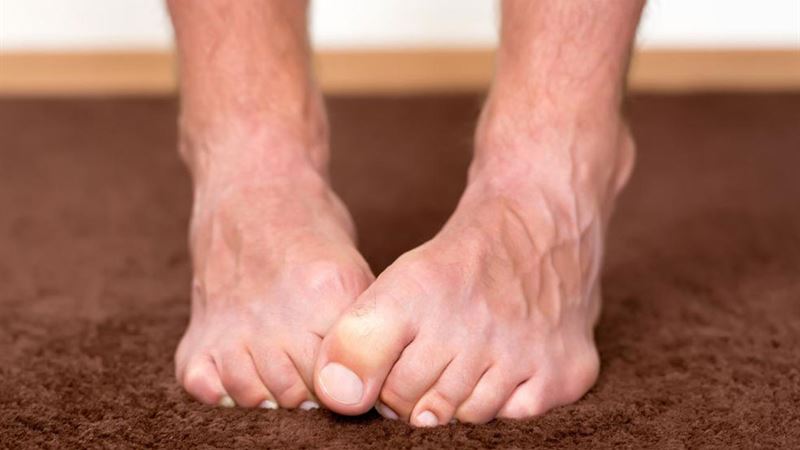
Neural pathways responsible for internal organ functions are known as autonomic nerves, while motor nerves play a crucial role in controlling muscle movements. Disruptions or dysfunctions in these nerves can significantly impair their normal operations, leading to a range of symptoms and health concerns. Neuropathy, particularly affecting the feet, is a condition caused by nerve damage, which can result in persistent pain, numbness, and other neurological issues. Understanding the complexities of neuropathy foot pain is essential for proper management and treatment.
Recognizing Symptoms of Foot Neuropathy
- Persistent tingling sensations in the feet and toes
- Chronic numbness and a loss of sensation
- Skin becomes thin and fragile, prone to injuries
- Digestive issues such as constipation and diarrhea
- Blood pressure fluctuations, including hypotension
- Excessive sweating or sweaty feet
- Sharp, stabbing pains in the foot area
- Feelings of electric shocks or shock-like sensations
- Heaviness or heavy leg sensation leading to difficulty in movement
- Legs feeling stiff or locking, affecting mobility
Underlying Causes of Foot Neuropathy
Several factors contribute to nerve damage leading to neuropathy. Family history can increase susceptibility, and lifestyle choices significantly impact risk levels. Chronic health conditions such as diabetes are primary causes, as high blood sugar levels damage nerve fibers over time, resulting in numbness and pain, especially in the feet. Obesity and hypertension also heighten the likelihood of developing neuropathy. Insufficient intake of vital nutrients essential for nerve health, like vitamin B12, can exacerbate nerve degeneration. Kidney failure leads to toxin buildup, which damages nerves, while hyperthyroidism causes fluid retention, increasing pressure on nerves. Prolonged inflammation, injuries, and fractures can physically harm nerve structures. Additionally, longstanding alcohol abuse negatively affects nerve tissues, predisposing individuals to neuropathy. Certain infections from viruses or bacteria can lead to nerve inflammation and pain. Medications such as anticonvulsants, certain antihypertensives, chemotherapy drugs, and others used for cancer and heart disease are known to have neurotoxic side effects, which can contribute to nerve damage.
Diagnosing Peripheral Neuropathy
If symptoms suggest neuropathy, seeking medical attention promptly is essential. A healthcare professional will perform a comprehensive physical exam and evaluations to identify the underlying cause. Diagnostic tests include:
- Imaging Studies: CT scans to detect tumors or herniated discs compressing nerves.
- Blood Tests: To evaluate blood sugar levels, thyroid function, vitamin deficiencies, and toxin levels.
- Electromyography (EMG): Using fine needles inserted into muscles to measure electrical activity, assessing nerve signal transmission and muscle response.
- Nerve Conduction Studies: Electrodes placed on the skin deliver small electrical impulses to evaluate the speed and strength of nerve signals, determining nerve functionality.
- Nerve Biopsy: Small tissue samples taken from nerves for microscopic examination to detect abnormalities or damages at the cellular level.
Effective Treatment Strategies for Foot Neuropathy
Addressing neuropathy involves managing the root cause while alleviating symptoms. If nutritional deficiencies contribute to nerve damage, correcting these deficiencies is paramount. For individuals with diabetes, tight blood sugar control significantly reduces nerve deterioration and alleviates pain. Pharmacological treatments include:
- Anti-inflammatory drugs such as ibuprofen and aspirin for mild discomfort
- Anticonvulsants, which help calm nerve activity and reduce pain signals
- Narcotic analgesics for severe pain, prescribed cautiously under medical supervision
- Vitamins and supplements, especially B-complex vitamins, to support nerve repair
In addition to medication, lifestyle modifications are vital:
- Protect feet by wearing comfortable, well-fitting shoes and avoiding trauma
- Regularly check feet for injuries or irritations, especially if numbness is prevalent
- Maintain hygiene—wash and dry feet thoroughly, apply moisturizers to prevent skin cracking
- Avoid walking barefoot to prevent cuts and infections
- Use non-slip bath mats to minimize slipping risks in wet areas
- Change sitting positions regularly to prevent nerve compression and improve circulation
- Engage in moderate physical activity to promote blood flow and nerve health
Prevention strategies include adopting a healthy lifestyle:
- Eat a balanced diet rich in nutrients supporting nerve health
- Participate in regular physical exercise to enhance circulation
- Quit smoking and reduce alcohol consumption to avoid nerve toxicity
- Manage chronic conditions effectively, especially diabetes and hypertension
Proper foot care is essential, including washing, moisturizing, and inspecting feet daily. Severe foot pain warrants immediate consultation with healthcare providers to prevent complications. Early diagnosis and intervention greatly improve outcomes for neuropathy management.