This comprehensive guide provides seniors with detailed insights into dental insurance options available through Medicare and private plans. It covers coverage types, plan features, waiting periods, and tips for choosing the best coverage to maintain optimal oral health while managing costs. Proper planning ensures seniors receive necessary dental care without unexpected expenses, enhancing overall well-being and quality of life.
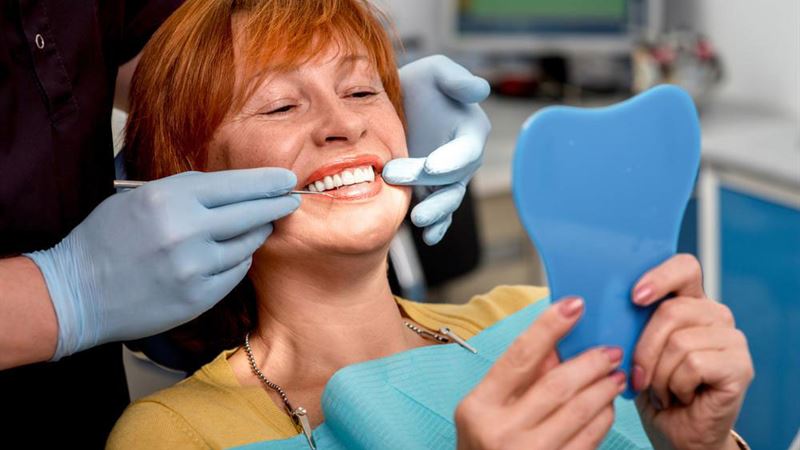
Understanding the nuances of dental coverage for seniors on Medicare is crucial for maintaining oral health and avoiding unexpected expenses. While Original Medicare, encompassing Parts A and B, does not typically include dental services such as cleanings, fillings, extractions, dentures, or dental plates, there are alternative solutions tailored for seniors seeking comprehensive dental care.
Medicare Advantage Plans, also known as Part C, frequently provide additional benefits that include various dental services. The scope and extent of dental coverage under these plans can vary significantly depending on the specific plan chosen. It is essential for seniors to thoroughly review their Medicare Advantage options to determine the level of dental coverage offered, including routine checkups and more extensive procedures.
Beyond Medicare Advantage, seniors are encouraged to explore a wide array of private dental insurance plans. These include preferred provider organization (PPO) plans and indemnity plans, each offering distinct advantages depending on individual needs and preferences.
In PPO plans, insurers establish agreements with a network of dental providers, allowing members to receive treatment from these in-network dentists at reduced rates. Even if a preferred provider isn't available or convenient, members may choose to visit out-of-network dentists for an additional fee, providing greater flexibility in selecting a dentist.
Indemnity or fee-for-service plans provide the highest level of freedom by allowing policyholders to see almost any dentist they prefer. Under this option, the insurance company covers a predetermined percentage of the treatment costs, and the patient pays the rest. These plans are often favored by seniors who wish to retain complete control over their dental care choices.
A critical factor to consider when selecting dental insurance for seniors is the waiting period that some plans impose on certain services. Waiting periods can vary from a few months to as long as 15 months before coverage begins for procedures such as crowns, bridges, or periodontal treatments. This delay can be problematic, especially in emergency situations or when urgent dental care is needed. Therefore, it is recommended that seniors avoid delaying enrollment until they experience a dental emergency; proactive planning can prevent unnecessary discomfort and expenses.
In addition to choosing the right plan, seniors should evaluate coverage details such as deductibles, copayments, annual maximums, and specific exclusions. Comparing these factors across different plans ensures that individuals select the most cost-effective and comprehensive dental coverage suited to their unique needs.
Furthermore, while Medicare does not specifically cover routine dental care, several community resources and discount dental plans are available to assist seniors in maintaining optimal oral health. Regular dental visits and preventive care play a vital role in overall health, especially considering the increased risk of dental issues among seniors caused by age-related changes and health conditions.
In conclusion, seniors should approach dental insurance with diligence and careful consideration. Understanding the differences between Medicare Advantage, PPOs, and indemnity plans empowers them to make informed decisions that safeguard their dental health and financial stability. Remember, early enrollment and comprehensive coverage planning are key to avoiding costly surprises and ensuring long-term oral health benefits.
