
Enhancing Medical Diagnostics: Strategies for Increased Precision and Reliability
This comprehensive article explores the importance of medical diagnostics, detailing the diagnostic process, common challenges like misdiagnosis, and how artificial intelligence and machine learning are revolutionizing accuracy. It emphasizes the critical steps that medical professionals follow, the significance of differential diagnosis, and modern technological advancements that enhance patient care while reducing errors. With a focus on improving health outcomes and safety, the article provides valuable insights into the future of medical diagnostics and the integration of innovative tools in healthcare practice.
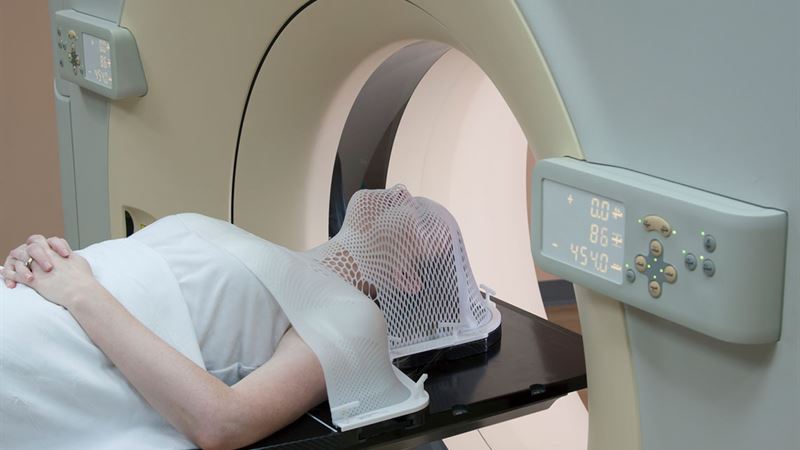
Medical diagnostics form the cornerstone of effective healthcare, enabling clinicians to identify, confirm, and monitor various health conditions, diseases, and infections. These tests, classified as in vitro diagnostics, involve analyzing samples such as blood, tissue, or other bodily fluids taken from patients. The primary goal of these procedures is to detect causative microorganisms in infectious diseases or to gather detailed information about physical ailments, thereby guiding targeted treatments. Accurate diagnostics are vital for effective patient management and treatment outcomes.
Significance of Medical Diagnostics in Healthcare
Advancements in medical diagnostic technologies significantly contribute to improved patient care, ensure consumer safety, and optimize healthcare costs. They serve multiple roles within the medical field:
- Improving Patient Outcomes Through Accurate Diagnosis
Proper diagnosis allows early detection of illnesses, often before symptoms become severe. Early identification helps prevent complications, reduces disease progression, and increases the chances of successful treatment. - Safeguarding Consumer Health
Industries such as food processing, pharmaceuticals, and cosmetics rely on precise medical diagnostic methods to assess product safety, quality, and adherence to regulatory standards, thereby protecting consumers from harm. - Cost-Effective and Efficient Treatment Strategies
Correct diagnosis enables healthcare providers to select the most appropriate, targeted therapies. This approach reduces unnecessary treatments, minimizes side effects, and decreases overall healthcare expenses.
Understanding the diagnostic process involves several critical steps. While some medical conditions are straightforward, requiring only a brief clinical assessment, others necessitate extensive testing to pinpoint underlying causes. Effective diagnostics demand careful execution and awareness of potential errors that can arise during multiple phases, emphasizing the importance of accuracy at every step.
Medical diagnostic procedures are typically categorized into three main phases:
- Initial Evaluation and Differential Diagnosis
This stage involves a detailed patient history review, physical examination, assessment of symptoms, and preliminary investigations. Differential diagnosis is performed to distinguish among potential causes of the patient's presentation. - Diagnostic Testing and Interpretation
This phase includes conducting laboratory tests, imaging studies, and other relevant diagnostics, followed by thorough analysis and clear communication between clinicians and patients. - Follow-Up, Consultation, and Treatment Implementation
Post-diagnosis, the healthcare team monitors treatment response, refers patients to specialists if needed, and manages ongoing care, ensuring optimal health outcomes.
Despite structured processes, misdiagnosis remains a significant challenge in healthcare. Factors such as cognitive biases, incomplete data, and system errors contribute to diagnostic inaccuracies. To mitigate this, clinicians often employ differential diagnosis—a systematic method that compares multiple potential causes based on comprehensive data collection and analysis.
The Critical Role of Differential Diagnosis
In cases where standard diagnostic methods prove inconclusive, differential diagnosis provides a strategic approach to narrow down possibilities. It integrates patient history, physical findings, laboratory results, and risk factors, playing a pivotal role in complex or ambiguous cases. However, errors in initial evaluation stages can compromise the effectiveness of differential diagnosis, underscoring the need for meticulous data collection and critical thinking.
Common Causes of Diagnostic Errors
- Insufficient utilization of electronic health records and health IT tools
- Communication gaps between healthcare providers, patients, and families
- Supportive system deficiencies within healthcare organizations that hinder thorough diagnosis
Recent innovations have seen the integration of artificial intelligence (AI) and machine learning into diagnostic processes. The synergy between medical science and AI aims to enhance diagnostic accuracy, reduce human error, and facilitate early detection of complex diseases.
Artificial Intelligence and Machine Learning in Modern Diagnostics
AI-powered diagnostic tools are now categorized into four primary domains, enhancing the clinicians' ability to diagnose accurately and efficiently:
- AI Chatbots and Symptom Analysis
Advanced chatbots equipped with speech recognition and pattern analysis capabilities simulate patient interviews, collect symptom data, and assist in preliminary diagnosis, thus streamlining the diagnostic workflow. - Pathological Analysis Enhancement
Machine learning algorithms support pathologists by improving the accuracy of lab test interpretations, particularly in complex cases involving blood, tissue, or fluid samples. - Cancer Diagnosis and Oncology
Deep learning models are employed to recognize tumor patterns, identify malignancies, and assist oncologists in early cancer detection, treatment planning, and prognosis assessment. - Detection of Rare Diseases
Facial recognition software is used to analyze patient photos, identifying phenotypic markers linked to genetic syndromes. These AI-driven tools aid clinicians in diagnosing rare, difficult-to-identify conditions with greater confidence and speed.
Overall, the integration of AI and machine learning into medical diagnostics signifies a transformative shift, promising greater accuracy, faster results, and better patient outcomes. As these technologies evolve, continuous validation and ethical considerations remain essential to ensure they support, rather than replace, clinical judgment.