
Revolutionizing Healthcare in Mexico with Advanced Ultrasound Diagnostic Technologies
This comprehensive article explores how advanced ultrasound technologies are transforming Mexico's healthcare landscape. Featuring innovations like 3D/4D imaging, portable devices, elastography, and AI integration, it highlights their diverse applications across medical specialties. The piece emphasizes improved diagnostic accuracy, patient safety, and accessibility, especially in underserved areas, illustrating a promising future where ultrasound diagnostics are central to modern medicine in Mexico and beyond.
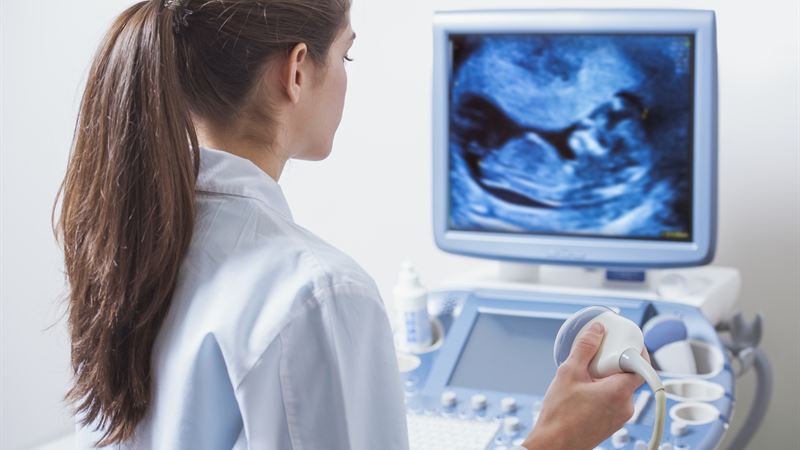
In Mexico, the increasing adoption of ultrasound technology is driven by a host of compelling advantages:
- Safety: Unlike X-rays and CT scans, ultrasounds do not emit ionizing radiation, making them a safer imaging modality, particularly for pregnant women and vulnerable populations.
- Versatility: Ultrasound can visualize a variety of tissues and organs, including the abdomen, heart, vascular structures, and reproductive organs, making it invaluable across multiple medical disciplines.
- Accessibility: The advent of portable and handheld ultrasound devices has transformed healthcare delivery, especially in rural and remote areas where access to advanced imaging facilities was previously limited.
- Cost-Effectiveness: Ultrasound procedures are generally more affordable than MRI or CT scans, reducing financial barriers for patients and healthcare systems alike.
Key Areas of Ultrasound Application in Mexico
Ultrasound imaging has become a cornerstone in diagnosing and managing numerous health conditions in Mexico. Its widespread utility spans various specialties, each leveraging the unique advantages of ultrasound technology.
1. Obstetrics and Gynecology
One of the most prevalent and vital uses of ultrasound in Mexico pertains to obstetrics and gynecology. It plays a crucial role in prenatal care by enabling healthcare providers to monitor fetal development, detect congenital anomalies, and assess high-risk pregnancies. Obstetric ultrasounds offer detailed imagery that helps in evaluating fetal growth, placenta position, amniotic fluid levels, and overall pregnancy health.
In gynecological practice, ultrasound assists in diagnosing conditions such as ovarian cysts, uterine fibroids, endometriosis, and hormonal disturbances. Additionally, it guides minimally invasive procedures like follicle aspiration and hysterosonography, enhancing diagnostic precision and patient safety.
2. Cardiology and Heart Disease Management
Cardiovascular health greatly benefits from advanced ultrasound techniques, particularly echocardiography. This modality provides real-time visualization of the heart's structure and function, supporting the diagnosis of valvular heart diseases, myocardial infarctions, congenital heart defects, and heart failure. The portability of modern echocardiogram devices allows bedside assessments, which are crucial in emergency and critical care settings.
The integration of 3D echocardiography has improved spatial understanding of cardiac anomalies, facilitating better surgical planning and intervention outcomes.
3. Abdominal and Organ Imaging
Assessing abdominal organs remains one of the most common uses of ultrasound in Mexico. It is the first-line tool for evaluating liver diseases such as cirrhosis and fatty liver, gallstones, kidney stones, pancreatitis, and abdominal tumors. Its non-invasive nature allows repeated assessments, helping clinicians track disease progression or response to treatment.
Furthermore, ultrasound-guided biopsies and aspirations enhance diagnostic accuracy for abdominal masses, minimizing patient discomfort and procedural risks.
4. Vascular and Blood Flow Analysis
Doppler ultrasound technology measures blood flow velocity and direction within arteries and veins. It is indispensable in diagnosing vascular conditions like carotid artery stenosis, deep vein thrombosis, peripheral artery disease, and aneurysms. This modality enables clinicians to evaluate blood flow dynamics, assess the severity of blockages, and plan interventions such as surgeries or stenting.
The use of contrast-enhanced ultrasound further improves visualization of vascular structures and tumor vascularity, assisting in cancer diagnosis and treatment planning.
5. Musculoskeletal Insights
Musculoskeletal ultrasound has gained prominence in sports medicine, orthopedics, and rheumatology. It allows for detailed assessment of muscles, tendons, ligaments, and joints, aiding in the diagnosis of injuries such as tears, tendinopathies, and inflammatory conditions like arthritis. Its real-time imaging capability fosters precise needle placement during therapeutic injections, platelet-rich plasma therapies, and aspiration procedures.
Transition to Advanced Ultrasound Technologies
The landscape of ultrasound imaging in Mexico is swiftly evolving with technological innovations that enhance image quality, diagnostic speed, and user experience. Significant developments include:
1. 3D and 4D Ultrasound Imaging
Three-dimensional (3D) and four-dimensional (4D) ultrasound technologies are transforming prenatal diagnostics by providing volumetric images that capture fetal movements and detailed anatomical structures. 4D ultrasound offers real-time visualization of fetal behaviors such as breathing and hand movements, enriching parental bonding and clinical understanding.
These advancements aid in early detection of fetal abnormalities and facilitate better birth planning, ultimately improving neonatal care.
2. Portable and Handheld Devices
The development of compact, portable ultrasound units has revolutionized point-of-care diagnostics. These devices are lightweight, battery-powered, and user-friendly, enabling healthcare providers to perform urgent assessments without the need for dedicated imaging departments. Their deployment in rural clinics, emergency rooms, and ambulances enhances the timeliness of diagnosis and intervention.
Moreover, handheld devices compatible with smartphones and tablets are expanding access to ultrasound technology, bridging disparities in healthcare delivery across Mexico.
3. Elastography and Tissue Characterization
Elastography introduces a new dimension to ultrasound diagnostics by measuring tissue stiffness. This technique is particularly valuable in evaluating liver fibrosis in chronic hepatitis patients and distinguishing benign from malignant breast tumors. Non-invasive and highly accurate, elastography reduces the need for biopsies and invasive procedures, improving patient comfort and diagnostic confidence.
4. Integration of Artificial Intelligence (AI)
AI-powered analysis tools are set to revolutionize ultrasound diagnostics by automating image interpretation, anomaly detection, and diagnostic suggestions. These innovations enhance accuracy, standardize assessments, and reduce dependence on operator experience. AI integration also facilitates telemedicine applications, allowing remote evaluations and expert consultations, especially important for rural or resource-limited settings.
5. Tele-ultrasound and Remote Diagnostics
Tele-ultrasound leverages telemedicine infrastructure to enable real-time remote imaging and consultation. This technology allows specialists to guide and interpret scans conducted by less-experienced operators, expanding access to expert diagnostic services across Mexico. Tele-ultrasound is particularly impactful in remote areas, reducing travel burdens and ensuring timely diagnosis.
Conclusion and Future Outlook
The adoption of sophisticated ultrasound analysis tools marks a new era in Mexican healthcare. Their safety, affordability, and versatility make them indispensable in diverse medical settings. Continuous innovation in 3D/4D imaging, portable devices, elastography, AI, and telemedicine promises even richer diagnostic capabilities. As Mexico embraces these advancements, patient care quality will significantly improve, reducing diagnostic delays and enabling precision medicine.
Looking ahead, the integration of artificial intelligence and remote diagnostics will further democratize access to high-quality medical imaging, ultimately elevating Mexico’s healthcare standards to new heights. Embracing these technological innovations ensures better health outcomes, enhances clinical efficiency, and shapes a future where advanced ultrasound diagnostics are accessible and effective for all segments of the population.