
Understanding Medical Conditions That Lead to Significant Hair Loss
This comprehensive article explores various medical conditions that contribute to severe hair loss. It covers hormonal imbalances, autoimmune disorders, thyroid problems, nutritional deficiencies, chronic illnesses, medication effects, and lifestyle factors. Early diagnosis and proper treatment are vital for effective management of hair thinning and baldness. Whether caused by stress or medical issues, understanding these conditions can help you seek appropriate care to regain healthy hair and confidence. Stay informed and proactive about your hair health with this in-depth guide.
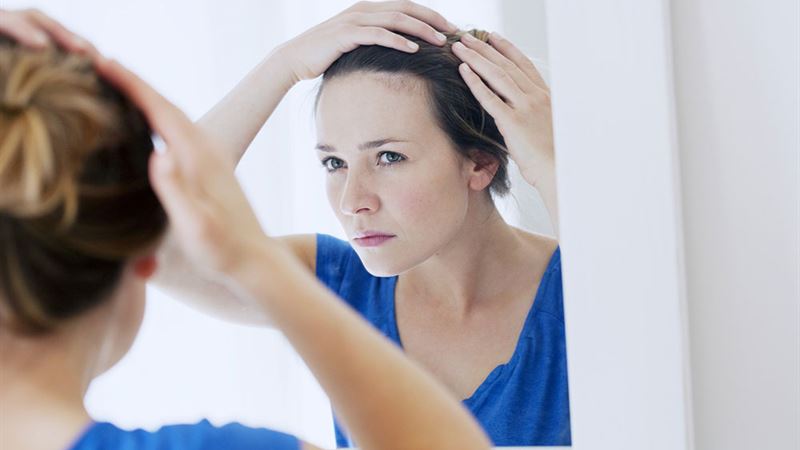
Hair loss can be a distressing experience that affects both men and women worldwide. While aging and genetics are common factors, various underlying medical conditions can significantly accelerate hair shedding and baldness. Recognizing these conditions is crucial for early intervention and effective treatment. This comprehensive guide explores the primary medical conditions responsible for severe hair loss, their causes, symptoms, and potential treatment options. Understanding these health issues can help you make informed decisions and seek appropriate medical care to manage hair loss effectively.
Hormonal Imbalances and Their Impact on Hair Health
Hormonal fluctuations are among the most common medical factors that trigger hair loss. The balance of hormones such as androgens, estrogens, and thyroid hormones is vital for maintaining healthy hair growth. Disruptions in these hormones can lead to thinning hair or full baldness, often developing rapidly and catching many off guard.
Telogen Effluvium
Telogen Effluvium is a condition characterized by an abnormal increase in hair shedding, typically occurring after significant physiological or emotional stress. Normally, hair follicles cycle through phases, with the hair shedding during the telogen phase to make way for new growth. However, in Telogen Effluvium, an abnormal hormonal response or stress triggers a larger number of follicles to prematurely enter the shedding phase, resulting in rapid and noticeable hair loss across the scalp.
This condition is usually temporary, and hair regrowth can occur once the underlying cause is addressed. Common triggers include severe illness, major surgeries, childbirth, drastic weight loss, medication side effects, nutritional deficiencies, and chronic stress. Addressing the root cause often results in the spontaneous reversal of hair loss, but if left untreated, it can persist and lead to more severe hair thinning.
Androgenic Alopecia
Often referred to as male or female pattern baldness, androgenic alopecia is a hereditary form of hair loss influenced heavily by androgen hormones like dihydrotestosterone (DHT). This type of alopecia affects both men and women, albeit differently. In men, it manifests as receding hairlines and bald spots at the crown, while women typically experience diffuse thinning across the scalp.
This condition progresses gradually and is primarily driven by genetic predisposition combined with hormonal activity. Treatments include medications like minoxidil and finasteride, which can slow the progression of hair loss and promote regrowth if caught early. Hair transplant surgery might be an option for advanced cases.
Autoimmune Disorders and Their Connection to Hair Loss
Autoimmune diseases are another leading cause of severe hair loss, with Alopecia Areata being the most prevalent. These conditions involve the immune system mistakenly attacking healthy hair follicles, leading to patches of hair loss that can expand over time.
Alopecia Areata
Alopecia Areata is an autoimmune disorder that often runs in families, caused by the immune system targeting hair follicles. The result is sudden, patchy hair loss that can occur on the scalp, eyebrows, eyelashes, and other body parts. Although it may seem alarming, Alopecia Areata is not necessarily life-threatening and is often reversible with proper treatment.
There are different forms of this condition:
- Patchy Alopecia: Localized hair loss in small patches across the scalp or body.
- Alopecia Totalis: Complete loss of hair on the scalp.
- Alopecia Universalis: Total hair loss on the scalp, face, and body.
Effective management may include corticosteroid injections, topical immunotherapy, and other medications aimed at suppressing immune responses and promoting hair regrowth.
Thyroid Disorders as Catalysts for Hair Loss
The thyroid gland plays a pivotal role in regulating metabolism through hormone production. Both hyperthyroidism (overactive thyroid) and hypothyroidism (underactive thyroid) can disturb the natural hair growth cycle, leading to hair thinning and loss.
Hyperthyroidism
This condition results from an overproduction of thyroid hormones, leading to an accelerated metabolic rate. Symptoms include weight loss, rapid heartbeat, nervousness, and sweating. One significant impact is on hair health, as excessive thyroid hormones can cause hair to become brittle and break easily. Hair thinning often occurs around the scalp and eyebrows, and the hair may shed in patches or all over the scalp.
Hypothyroidism
In contrast, hypothyroidism stems from insufficient hormone production, leading to slowed metabolic processes. Symptoms are often subtle but include fatigue, weight gain, cold intolerance, and dry skin. Hair loss associated with hypothyroidism tends to be diffuse across the scalp, with hair appearing dry, brittle, and thin due to disrupted growth cycles.
If untreated, both conditions can lead to more severe health issues, including mental health implications and increased risk of cardiovascular problems. Proper diagnosis and hormone regulation through medication can often reverse hair loss caused by thyroid dysfunction.
Other Medical Conditions Contributing to Hair Loss
Several additional health issues can lead to significant hair shedding, either directly or indirectly. Recognizing these conditions can help in timely diagnosis and treatment.
Iron Deficiency Anemia
Iron is essential for producing hemoglobin, which carries oxygen to tissues, including hair follicles. Iron deficiency leads to reduced oxygen supply, weakening hair roots and impairing their ability to produce healthy hair. Symptoms include fatigue, weakness, and pale skin, alongside diffuse hair thinning. Addressing iron deficiency through diet or supplements can restore healthy hair growth.
Chronic Illnesses
Persistent illnesses such as diabetes, lupus, or chronic infections can weaken the immune system and disturb normal hair growth. These conditions often require comprehensive medical management, and their associated hair loss can improve once the underlying illness is controlled.
Medications and Treatments
Many medications used to treat health conditions like cancer, high blood pressure, depression, or arthritis can have hair loss as a side effect. Chemotherapy, in particular, is well-known for causing rapid and complete hair loss. If medication is identified as the cause, consulting a healthcare provider regarding alternatives or management strategies is critical.
Stress and Lifestyle Factors
Extreme physical or emotional stress can significantly impact hair health. Stress triggers hormonal responses that may push hair follicles prematurely into the shedding phase. Lifestyle factors such as poor diet, lack of sleep, smoking, and excessive alcohol consumption further exacerbate hair loss risks. Managing stress through relaxation techniques, a balanced diet, and healthy living can aid in preventing hair loss and promoting overall health.
Conclusion: Proactive Approach to Managing Hair Loss
Recognizing the medical conditions that cause severe hair loss is essential for effective treatment. Early diagnosis and specialized care can halt or reverse hair thinning and restore confidence. If you experience unexplained or rapid hair shedding, consult a healthcare professional or dermatologist for comprehensive testing. Treatments vary depending on the underlying cause but can include medication, hormonal therapy, lifestyle modifications, and surgical options like hair transplantation. Prioritizing your health and seeking timely intervention is key to maintaining healthy, vibrant hair at any age.