
Innovative Strategies to Enhance Energy Efficiency in UK Buildings Through Spray Foam Insulation
Explore how spray foam insulation can drastically improve energy efficiency in UK buildings. Understand the types, benefits, installation process, and how it complies with local regulations to optimize homes and businesses for sustainability and cost savings. Discover why spray foam is the top choice for modern insulation solutions in the UK market.
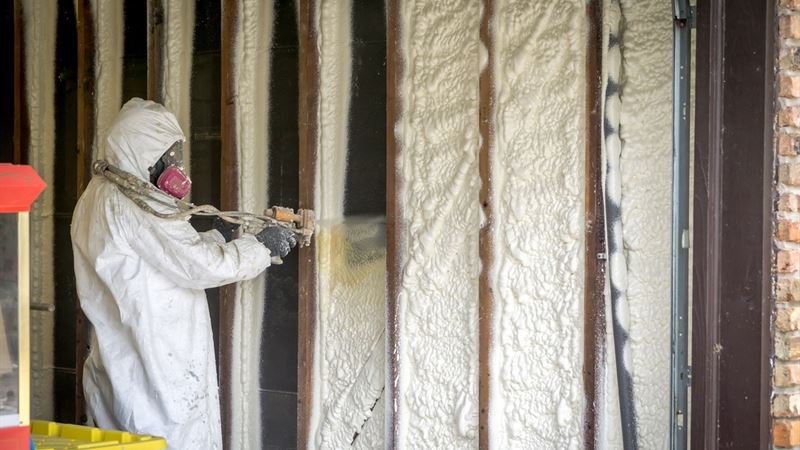
Understanding Spray Foam Insulation
Spray foam insulation is a versatile and highly effective material designed to improve a building's thermal envelope. Formulated from polyurethane or similar compounds, spray foam expands upon application, creating an airtight barrier that significantly enhances insulation performance. Its unique structure provides a combination of high R-values, air sealing, and moisture resistance, making it an ideal choice for modern energy-efficient buildings in the UK.
Types of Spray Foam Insulation
- Open-Cell Spray Foam
Open-cell spray foam is characterized by its low-density, porous structure. It allows for breathability and is more flexible compared to other types, making it suitable for interior applications where moisture permeability can be beneficial. While its R-value per inch is lower than closed-cell foam, it provides excellent air sealing and soundproofing qualities. Its ease of application and cost-effectiveness make it a popular option for insulating wall cavities, attics, and interior splits.
- Closed-Cell Spray Foam
Known for its dense and rigid form, closed-cell spray foam offers higher R-values per inch—often surpassing open-cell variants. Its impermeability to moisture makes it particularly effective in external applications, including basement insulation, external walls, and areas with high humidity. Its high structural rigidity can also serve as an additional layer of reinforcement for building components. Given its superior thermal barrier capabilities, closed-cell spray foam is often recommended in colder UK regions and for areas where moisture resistance is paramount.
Advantages of Using Spray Foam Insulation
- Exceptional Thermal Insulation
- Superior Air Barrier and Sealing Properties
- Moisture and Vapor Resistance
- Long-lasting Durability
- Eco-Friendly and Sustainable
Spray foam delivers some of the highest R-values among insulation materials, dramatically reducing heat transfer and promoting energy savings. Its capacity to maintain interior temperatures results in lower heating and cooling costs for residential and commercial properties.
Thanks to its expanding nature, spray foam infiltrates even the smallest gaps, cracks, and voids. This comprehensive sealing creates an airtight environment that minimizes drafts, enhances indoor air quality, and reduces the load on HVAC systems.
Particularly with the closed-cell type, spray foam acts as an effective moisture barrier, preventing leaks and moisture ingress. This helps inhibit mold growth, protect structural elements, and preserve the building's integrity over many years.
Once applied, spray foam remains stable and effective for decades, resisting common issues like settling or degradation. As a result, it offers a reliable, maintenance-free insulation solution that provides consistent performance over time.
Modern spray foam formulations are manufactured with environmentally conscious materials, contributing to lower building carbon footprints. Enhanced energy efficiency reduces overall emissions, aligning with the UK's sustainability goals.
Application Techniques and Considerations
- Professional Installation
Given the complexity and safety precautions necessary, installation by certified professionals is essential to ensure optimal outcomes. The process begins with thorough site assessment and preparation, followed by precise application using specialized spray equipment. Adherence to safety standards and environmental regulations mitigates risks associated with fumes and overspray.
- Preparation Phase
This phase involves cleaning and prepping the area. Depending on the application, vapor barriers might be installed beneath closed-cell foam to comply with building codes and enhance insulation efficacy.
- Application Stage
The foam is sprayed onto targeted surfaces and rapidly expands, filling cavities and adhering tightly to surfaces. Proper technique and control ensure uniform coverage and optimal insulation performance.
- Curing and Finishing
Proper curing is achieved within hours, after which excess or uneven foam can be trimmed for a neat finish. Proper ventilation during and after curing minimizes exposure to fumes, ensuring safety for installers and occupants.
- Maintenance and Longevity
Once installed correctly, spray foam typically requires minimal maintenance. Its durability means that interventions or replacements are rarely needed for decades, offering long-term cost savings.
Adapting Spray Foam for UK Climates and Regulations
- Climate Compatibility
The UK's diverse climate—featuring coastal humidity, temperate zones, and cold inland areas—demands insulation solutions that can cope with moisture, wind, and temperature fluctuations. Closed-cell spray foam's moisture resistance makes it particularly suitable for wetter coastal regions, while open-cell foam's breathability benefits interior spaces in drier areas.
- Regulatory Compliance
UK building regulations specify standards for insulation thickness, fire safety, and environmental impact. Certification by relevant authorities ensures that spray foam insulation meets these standards, and working with licensed contractors ensures compliance.
- Economic Considerations
While the upfront cost of spray foam can be higher than traditional insulation options, the long-term savings on energy bills, reduced maintenance, and potential government incentives offer compelling value. Many UK local authorities and energy providers advocate for insulation upgrades through grants and tax rebates.
In conclusion, spray foam insulation stands out as a transformative technology that combines superior performance with sustainability in UK buildings. Its ability to improve energy efficiency, provide airtight sealing, and withstand moisture makes it an excellent investment for homeowners and businesses alike. With careful professional installation and adherence to local regulations, spray foam can significantly reduce energy costs, protect structures, and contribute to the UK's environmental goals, ultimately creating a more comfortable and eco-friendly built environment.
Embracing spray foam insulation today paves the way for a greener, more energy-efficient future, aligning economic benefits with environmental responsibility across the UK.