
Comprehensive Guide to Spray Foam Insulation: Advantages, Pricing, and How to Choose the Best Providers
This comprehensive guide explores the advantages of spray foam insulation, detailed cost insights, and practical tips for choosing the best contractors. Learn how spray foam can boost energy efficiency, improve soundproofing, and provide long-lasting insulation. Understand pricing variables, DIY options, and essential contractor selection tips to ensure a successful insulation project. Optimize your home’s comfort and reduce energy bills with expert advice and in-depth knowledge about spray foam insulation benefits and costs.
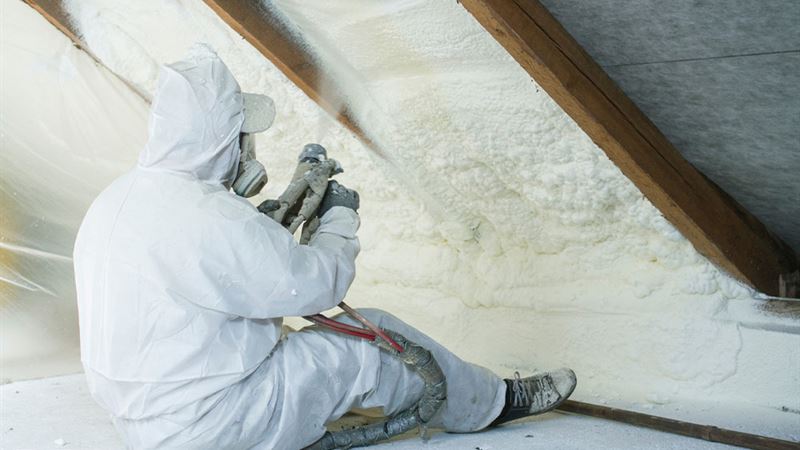
Spray foam insulation has gained popularity among homeowners and construction professionals alike due to its superior insulating properties and versatile application capabilities. Many insulation specialists recommend spray foam over traditional options such as fiberglass or mineral wool, citing its long-term benefits and performance. In this extensive guide, we will explore the myriad benefits of spray foam insulation, provide detailed insights into its costs, and offer practical tips on selecting top insulation companies for your project.
Recognizing the Benefits of Spray Foam Insulation
One of the primary reasons homeowners and builders opt for spray foam insulation is its remarkable ability to enhance energy efficiency in residential and commercial buildings. By effectively sealing gaps, cracks, and other air leaks, spray foam significantly reduces the loss of heat in winter and cool air in summer. Studies indicate that properly installed spray foam can decrease heat transfer by up to 50%, translating into lower utility bills and a reduced carbon footprint.
The versatility of spray foam is another standout feature. Its flexible formulation allows it to conform to complex shapes and hard-to-reach areas where traditional insulation materials might struggle to provide adequate coverage. This means that even irregularly shaped spaces, such as corners, around plumbing fixtures, or along beam joists, can be sealed effectively, ensuring comprehensive insulation.
Durability is a key advantage. Spray foam insulation typically offers a lifespan of around 80 years when properly installed and maintained. Its closed-cell variants provide strong structural support, contributing to the overall stability and integrity of the building envelope. Additionally, spray foam acts as a natural barrier against pests and rodents, deterring them from nesting within wall cavities or attic spaces.
Soundproofing is another benefit that many homeowners appreciate. Spray foam can absorb and dampen external noises, creating a quieter indoor environment. Beyond noise reduction, spray foam also helps restrict the infiltration of airborne pollutants such as dust, pollen, mold spores, and airborne allergens, thus improving indoor air quality.
Understanding Spray Foam Insulation Costs
Pricing for spray foam installation varies depending on multiple factors such as the type of foam used, the size of the area to be insulated, and the complexity of the project. Generally, spray foam insulation is more expensive upfront compared to conventional materials like fiberglass or cellulose. The cost is roughly two to three times higher, primarily due to the specialized application process and materials required.
On average, homeowners can expect to pay between $1,200 and $4,000 for spray foam insulation installation, with a typical national average around $2,500. Smaller projects, such as insulating a single wall or attic, might cost less, while larger projects like insulating an entire home can push costs upward of $5,000. These estimates include material costs, labor, equipment, and the removal of existing insulation if necessary.
It’s important to consider additional expenses, like permits, inspection fees, and any unforeseen repairs. The labor component can also vary significantly, with professional installers charging anywhere from $50 to $100 or more per hour, depending on location and project complexity.
DIY Spray Foam Kits: Are They a Viable Alternative?
For those seeking to reduce costs or enjoy DIY projects, spray foam kits are available at hardware stores and online. These kits usually range from $300 to $350 and can produce approximately 200 board feet of spray foam. They are suitable for small-scale applications such as sealing small gaps, insulating basement sill plates, or sealing around windows and doors.
For larger projects requiring extensive insulation, open-cell spray foam kits offer more coverage, often delivering between 600 to 650 board feet and costing around $700 or more. These are ideal for insulating larger areas, including whole rooms or multiple spaces, but require some DIY experience to ensure proper handling and application.
While DIY kits can save money, they may not match the quality, coverage, or longevity of professionally installed spray foam. Proper ventilation, equipment, safety precautions, and application techniques are crucial to effective insulation and avoiding health risks associated with improper spraying.
How to Select the Best Spray Foam Insulation Contractors
If you decide that professional installation is the right choice, selecting a reputable contractor is essential to ensure quality results. Here are key tips to help you find the most reliable insulation experts for your project:
- Conduct a Home Inspection: Always request the contractor to perform a thorough walk-through and assessment of your property before providing a quote. Professionals who inspect the area beforehand can accurately gauge the scope of work and avoid unexpected costs later.
- Seek Recommendations and Read Reviews: Ask friends, family, neighbors, or colleagues who have recently had insulation work done for their experiences. Online reviews on reputable platforms can also provide insights into the contractor’s reputation, responsiveness, and quality of work.
- Verify Credentials and Insurance: Ensure that the contractor holds all necessary licenses issued by your state’s licensing authority. Confirm that they carry sufficient insurance coverage, including liability and workers' compensation, to cover any accidental damages or injuries during the project.
- Request Detailed Written Bids: Obtain multiple written estimates that specify the scope, materials, costs, and timeline. Clear, detailed contracts help prevent misunderstandings and contain clauses for unforeseen expenses or changes during the project.
- Assess Experience and Certifications: Choose contractors with extensive experience in spray foam insulation, especially in projects similar to yours. Certifications from recognized industry bodies can be indicators of professionalism and adherence to safety standards.
Final Considerations
While choosing a professional is crucial, it’s equally important to ask the right questions and stay informed about the process. Proper installation ensures maximum benefits and longevity of your insulation investment. Remember, quality spray foam installation can significantly improve your home’s energy efficiency, comfort, and indoor air quality, ultimately saving you money and enhancing your living environment for decades to come.