
Essential Religious Artifacts Used in Catholic Mass Ceremony
This detailed guide explores the essential religious objects used during Catholic Mass, explaining their functions and significance. From the purificator to the ciborium, learn how each item contributes to the sacred liturgy, emphasizing reverence, tradition, and spiritual symbolism. Perfect for those interested in Catholic rituals, this comprehensive overview enhances understanding and appreciation of the Mass's profound spiritual steps and symbolism.
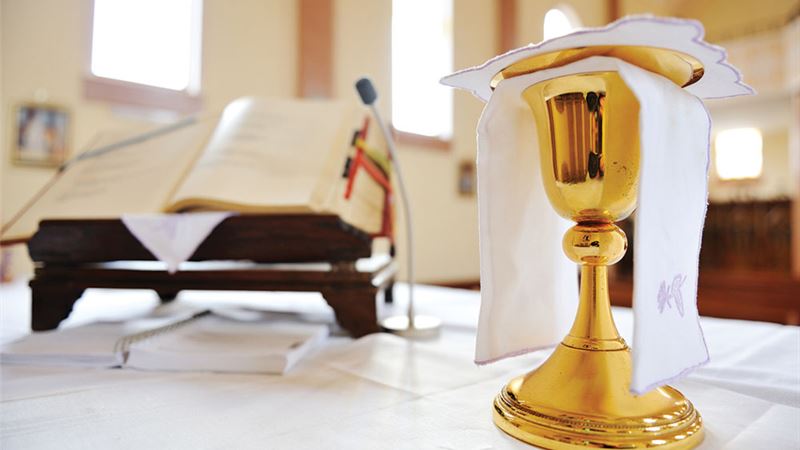
The sacred items used during the Catholic Mass are reserved exclusively for clergy members and are integral to the liturgical rites. These artifacts symbolize reverence, tradition, and spiritual significance, playing a vital role in the Eucharistic celebration. Each item has specific functions and is treated with utmost respect and care. From the cleansing linens to the vessels holding the Eucharist, every object serves a purpose rooted in centuries of religious practice. Understanding these items enhances appreciation for the solemnity and symbolism of the Mass.
Purificator
A white linen cloth embroidered or marked with a cross, the purificator, is a vital liturgical item. It is primarily used by the clergy to cleanse the chalice after communion, ensuring purity and reverence in handling the sacred vessels. The purificator is carefully folded and stored, signifying its importance in maintaining the sanctity of the Eucharist.
Paten
The paten is a shallow, disk-shaped vessel crafted from the same material as the chalice, usually precious metals like gold or silver. It’s exclusively handled by clergy members and is used to hold the consecrated bread, symbolizing the Body of Christ. The bishop consecrates both the chalice and the paten during the Eucharistic prayer, highlighting their sacred nature.
Corporal
During the Mass, a pristine white linen cloth called the corporal is spread on the altar surface. On it rest the chalice and paten. The corporal is meticulously folded into nine equal squares according to tradition, facilitating easy unfolding in a specific manner that symbolizes reverence. The cloth absorbs any spills and signifies the humility and purity befitting the Eucharist.
Ciborium
The ciborium is a prominent vessel with a lid topped with a cross, used to store the consecrated Hosts. It usually is covered with a white silk veil when transferring the Blessed Sacrament. Besides holding the Eucharist during Mass, the ciborium also safeguards the Blessed Sacrament when stored within the tabernacle, emphasizing its importance in Catholic worship.
Thurible (Thuribulum)
The thurible or censer is a fascinating item used to incite fragrant incense during various parts of the liturgy. After offertory and other sacred moments, incense is burned in the thurible and swung to bless the altar, congregation, and the Eucharistic elements. The aromatic smoke signifies prayers rising to heaven and is a symbol of reverence and purification.
Processional Crucifix
A crucifix mounted on a sturdy staff, the processional crucifix is carried during entrance and exit processions, signifying the solemnity of the Mass. It marks the spiritual journey of the congregation, leading the procession and sometimes placed on the altar during liturgical ceremonies. The crucifix serves as a visual reminder of the sacrifice of Jesus Christ.
Pall
The pall is a stiff, white cloth placed over the paten when it is on the chalice. Its primary purpose is to prevent any foreign particles, debris, or insects from falling into the chalice, ensuring the purity of the Eucharist. The pall is folded and treated with reverence, reflecting the sacredness of the Holy Sacrament.
Communion Cups
These small cups, similar to the chalice, are used for individual Communion distribution during the Eucharist. They are typically kept on the Credence Table and brought to the altar during the communion procession. Their use emphasizes the communal sharing of the Holy Eucharist and the unity of the faithful.