
Essential Sacred Items for Buddhist Rituals and Ceremonies
Explore essential Buddhist ritual items including prayer bells, conch shells, Tibetan drums, prayer beads, and Ghau boxes. Each artifact plays a significant role in promoting spiritual practice, protection, and enlightenment. Discover their symbolic meanings, craftsmanship, and usage in ceremonies and meditation, emphasizing the profound connection between physical objects and spiritual growth in Buddhism.
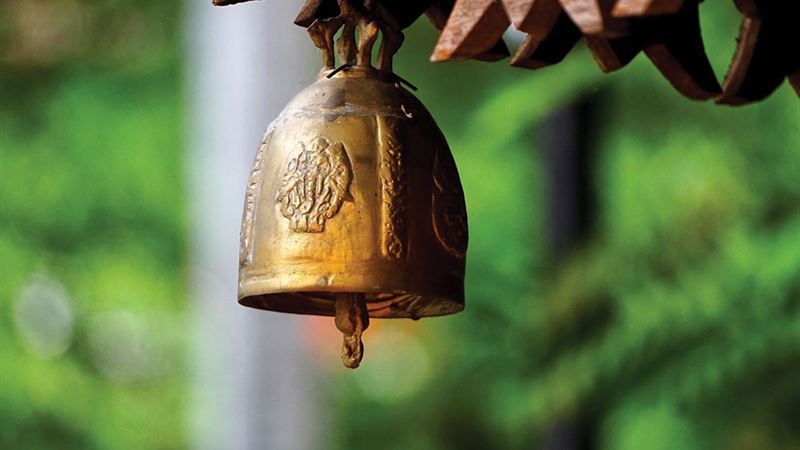
Chiming Prayer Bells
Among the most revered religious artifacts in Buddhism, prayer bells hold a significant place in various ritual practices. These bells are often paired with a Vajra, symbolizing the harmonious union of male and female energies. Typically crafted from bronze or copper, prayer bells feature a bell-shaped mouth and a handle that resembles a half Vajra, emphasizing their spiritual symbolism. The surface of the bell is intricately engraved with sacred symbols and motifs, reflecting its spiritual significance. During Buddhist ceremonies, these bells are rung to invoke divine presence, purify the environment, and deepen meditation practices. In addition to their spiritual purpose, prayer bells also serve as musical instruments, creating resonant sounds that enhance the ritual atmosphere. Their clear, resonant tone is believed to clear negative energies, promote mindfulness, and invite enlightenment.
Conch Shell of Auspicious Significance
Another vital sacred object in Buddhism is the right-turning conch shell, an exquisite artifact usually crafted in the form of a snail shell. The surface of this conch is adorned with detailed Buddhist motifs and symbols, often painted in serene white or pastel shades. The conch shell is recognized as one of the eight auspicious symbols in Buddhism, symbolizing the deep and far-reaching teachings of the Buddha. During rituals, the conch shell is blown to generate a powerful sound that awakens practitioners from their ignorance, spreads spiritual teachings, and calls the community to meditation or prayer. Its sound signifies the spread of the Buddha's teachings across the world, bringing peace, harmony, and spiritual awakening to all beings. The conch's spiritual symbolism is rooted in its ability to produce a melodic, resonant tone that carries messages of compassion and wisdom.
Tibetan Drums and Their Sacred Uses
In Tibetan Buddhist ceremonies, drums play an essential role in elevating the spiritual atmosphere. The Tibetan drum is a percussion instrument with various forms, including the skull drum, curved-hammer drum, and bronze drum. These drums are crafted with meticulous craftsmanship, often decorated with sacred symbols, mantras, or animal motifs that carry spiritual significance. During festivals, ritual prayer sessions, and sacred ceremonies, Tibetan drums are played to invoke deities, purify the environment, and facilitate communal prayer. The rhythmic beating of these drums aligns with meditation practices, aiding practitioners in maintaining focus and elevating their spiritual vibrations. Their deep, resonant sounds are believed to dispel evil spirits, harmonize energies, and connect practitioners with divine forces.
Prayer Beads and Meditative Focus
Prayer beads, known as mala in Sanskrit, are an integral element in Buddhist meditation and devotional practices. Usually composed of 108 beads plus a guru bead, mala beads are used to count recitations of mantras, prayers, or chants, helping practitioners maintain focus and sincerity during meditation. These beads are made from an array of materials, including semi-precious stones, wood, seeds, or bone, each carrying its own symbolic significance. The act of counting beads creates a rhythmic, calming effect that enhances concentration and spiritual progress. Some practitioners use specific colors or materials to invoke particular qualities, like protection, wisdom, or compassion. The guru bead at the end of the mala signifies the teacher or spiritual guide, emphasizing the importance of humility and reverence in practice.
Ghau Box: Sacred Keepsake and Protector
Known also as a prayer box or amulet case, the Ghau is a small, intricately crafted container used to hold sacred relics, scriptures, or images of deities. Usually made of precious metals such as gold, silver, or copper, Ghau boxes are often decorated with detailed engravings, inlays of gemstones, and symbolic motifs. They serve a protective purpose, believed to ward off evil spirits, safeguard the wearer or holder from negative influences, and promote spiritual well-being. Inside a Ghau, practitioners often place tiny statues of Buddha, holy scripts, or sacred symbols, evoking divine protection and blessing. The Ghau serves as both a personal talisman and a portable shrine, closely associated with individual and familial spiritual practice across Buddhist communities.