
Effective Strategies to Maintain Mobility and Prevent Disability
Discover comprehensive strategies to prevent disability through balanced nutrition, regular exercise, lifestyle changes, and managing health conditions. This guide provides practical tips for maintaining mobility, independence, and quality of life at any age, emphasizing proactive habits that support healthy aging and well-being.
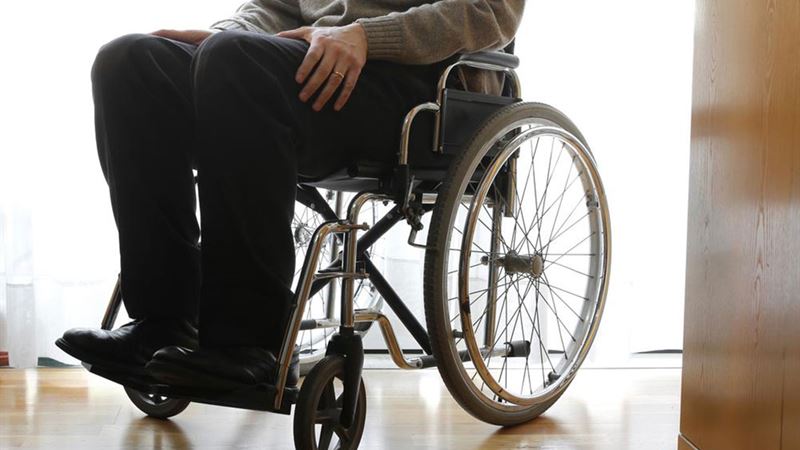
Ensuring your ability to move freely and perform daily activities is essential for a fulfilling life. To prevent disability and promote overall well-being, it’s important to adopt a comprehensive approach that includes proper nutrition, regular physical activity, and healthy lifestyle choices. While many overlook their daily habits, small changes can significantly reduce your risk of developing disabilities in the future. This article explores detailed strategies, practical tips, and lifestyle adjustments you can incorporate today to safeguard your mobility and maintain independence well into old age.
Maintaining a balanced diet is fundamental to preserving physical health. Overconsumption of calories, saturated fats, and added sugars can lead to obesity, diabetes, and cardiovascular diseases—all of which increase the likelihood of mobility issues and disabilities. Therefore, it’s crucial to monitor your intake carefully and choose nutrient-dense foods. Cutting back on sweets, sugary beverages, and processed foods is a vital first step in a healthier lifestyle. Replacing high-calorie snacks with wholesome, natural options like fruits, vegetables, nuts, and whole grains can make a difference. Planning your meals ahead of time ensures you make healthier choices, especially when hunger strikes unexpectedly. Preparing snack-sized portions of salads, fruits, or nuts for work and outings helps avoid unhealthy temptations.
Physical activity plays an indispensable role in disability prevention. Engaging in regular exercise strengthens muscles and bones, enhances joint flexibility, and boosts cardiovascular health. Experts recommend at least 150 minutes of moderate-intensity exercise weekly, such as brisk walking, cycling, swimming, or aerobic workouts. Even activities like yoga and stretching improve strength and balance, essential factors in preventing falls and fractures often associated with old age. Developing an exercise routine that fits your schedule and interests will increase adherence and long-term benefits. Remember, consistency is key—small daily movements add up significantly over time.
Beyond diet and exercise, quitting harmful habits is equally important. Smoking negatively affects lung capacity, worsens circulation, and accelerates aging processes, which can impair mobility. Excessive alcohol consumption can damage liver health, weaken bones, and cause neurological issues, all contributing factors to disability risk. Ceasing these habits not only improves your physical health but also enhances mental clarity and overall quality of life. If quitting seems challenging, seek support from healthcare professionals, support groups, or lifestyle programs designed to assist in overcoming addiction. Remember, it’s never too late to start making healthier choices.
Managing chronic conditions is another critical aspect of disability prevention. Conditions like hypertension, diabetes, osteoporosis, and arthritis require diligent treatment and lifestyle modifications. Regular medical check-ups and adherence to prescribed therapies can control symptoms and slow disease progression. Additionally, adopting safety measures at home—such as installing grab bars, removing tripping hazards, and keeping pathways clear—helps prevent accidental falls, a common cause of disability among older adults.
In cases where disability has already impacted your life, cultivating a positive mindset and seeking rehabilitation services can dramatically improve your functionality and independence. Advances in medical science, physiotherapy, and assistive technologies offer hope and practical solutions for enhancing quality of life. Support networks, community programs, and educational resources empower individuals to adapt to their circumstances effectively. Remember, while challenges may arise, a proactive approach can help you regain control and live actively, regardless of limitations.
Taking proactive steps today to improve your lifestyle can significantly reduce the risk of future disabilities. From eating healthily and staying active to avoiding harmful substances, every small effort contributes to long-term health and mobility. Prioritize your well-being and consult healthcare professionals regularly to craft personalized strategies tailored to your needs. With dedication and persistence, preserving your independence and enjoying a vibrant, active life well into old age is entirely achievable.