
Essential Guide to Maintaining Optimal Oral Hygiene for Healthy Teeth
Maintaining good oral hygiene is essential for healthy teeth and gums. This comprehensive guide covers choosing the right toothbrush, effective use of mouthwashes, and expert advice on preventing common dental problems like gingivitis and periodontitis. Incorporate these practices into your daily routine to boost overall oral health, prevent cavities, and keep your smile bright. Learn how to select safe dental products, avoid harmful homemade remedies, and understand the importance of regular dental visits for lifelong dental wellness.
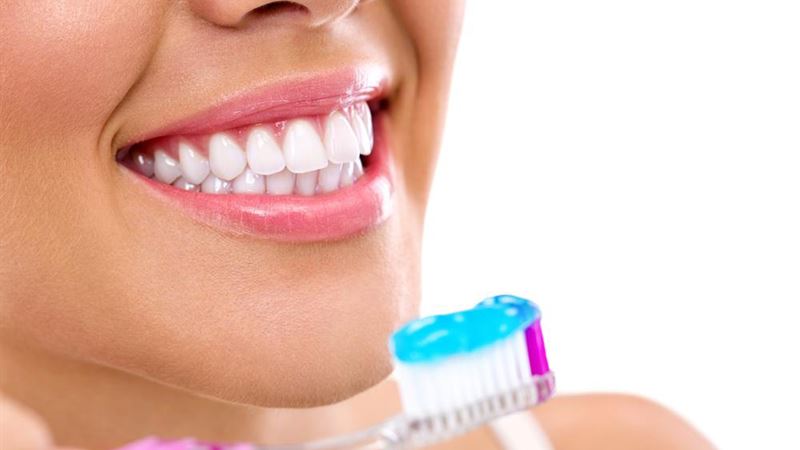
Achieving and maintaining good oral health is fundamental for overall well-being. Dental problems such as periodontitis and gingivitis are common but preventable issues that can significantly impact quality of life. Periodontitis involves bacterial growth that damages tissues supporting the teeth, leading to tooth loss if untreated. Gingivitis causes gums to become red, swollen, and prone to bleeding, primarily due to inadequate oral hygiene practices. Understanding how to prevent and treat these conditions is crucial for lifelong dental health.
In this comprehensive guide, we will delve into effective oral hygiene practices, explore suitable dental tools, discuss the benefits of various mouthwashes, and offer professional advice to help you maintain a clean and healthy mouth.
Choosing the Right Toothbrush for Effective Cleaning
Selecting an appropriate toothbrush is the first step toward excellent oral hygiene. The ideal toothbrush should comfortably fit into your hand and mouth. Typically, a toothbrush with a head approximately half-inch wide and one inch tall is manageable for most users, providing enough coverage without causing discomfort. When it comes to bristles, soft-bristled toothbrushes are highly recommended because they clean effectively without damaging the delicate gum tissue.
Regularly replacing your toothbrush, ideally every three to four months or sooner if the bristles appear frayed, ensures that you are not reintroducing bacteria into your mouth. An old or worn toothbrush can harbor germs and lose its cleaning efficacy, leading to plaque buildup and other dental issues.
Incorporating Antibacterial Mouthwashes into Daily Routine
Mouthwashes are a vital component of comprehensive oral care. Antibacterial mouthwashes are specifically designed to reduce the microbial population in your mouth, targeting bacteria responsible for gingivitis, plaque formation, and bad breath. Many dentists recommend these rinses as an adjunct to brushing and flossing, especially for individuals prone to gum problems.
While some over-the-counter mouthwashes contain high alcohol content that provides an antiseptic effect, others use active ingredients like chlorhexidine or cetylpyridinium chloride. It is important to note that prolonged use of high-alcohol mouthwashes can cause dry mouth and irritation, so they should be used as directed.
In addition to preventing oral infections, mouthwashes can soothe sore throats. The menthol and other soothing agents in many rinses help alleviate throat inflammation, providing quick relief. For those seeking alcohol-free options, antiseptic rinses formulated without high alcohol content are available and are suitable for everyday use.
Professional Tips for Optimal Oral Care
Dental experts emphasize that proper oral hygiene involves more than just brushing. To truly protect your gums and teeth, follow a systematic routine: brush at least twice daily for a minimum of two minutes each time, ensuring you cover all surfaces of your teeth; floss daily for about one minute to remove plaque and debris trapped between teeth; and rinse with a mouthwash for 30 seconds to eliminate lingering bacteria.
Some individuals attempt to create homemade mouthwashes using harmful substances like bleach or hydrogen peroxide. It is strongly advised to avoid these practices, as they can cause tissue burns and other adverse effects. Instead, natural remedies such as swishing with coconut oil—a practice known as oil pulling—are gaining popularity. Coconut oil has antimicrobial properties that support oral health without the risks associated with harsh chemicals.
In summary, consistent oral hygiene routines, including effective brushing, flossing, and rinsing, are key to preventing dental issues such as plaque buildup, bad breath, and bleeding gums. Regular dental checkups are also essential for early detection and treatment of any oral health problems.