
Unlocking Career Opportunities: Comprehensive Guide to Warehouse Jobs in Australia
Australian warehouse jobs offer extensive opportunities across various roles, from entry-level positions to supervisory roles. With competitive pay, excellent career growth prospects, and a resilient industry driven by e-commerce and technological advancements, pursuing a warehouse career in Australia can lead to stability and long-term success. This comprehensive guide explores job roles, skills required, employment conditions, career progression, and future outlook, making it ideal for job seekers and industry newcomers alike.
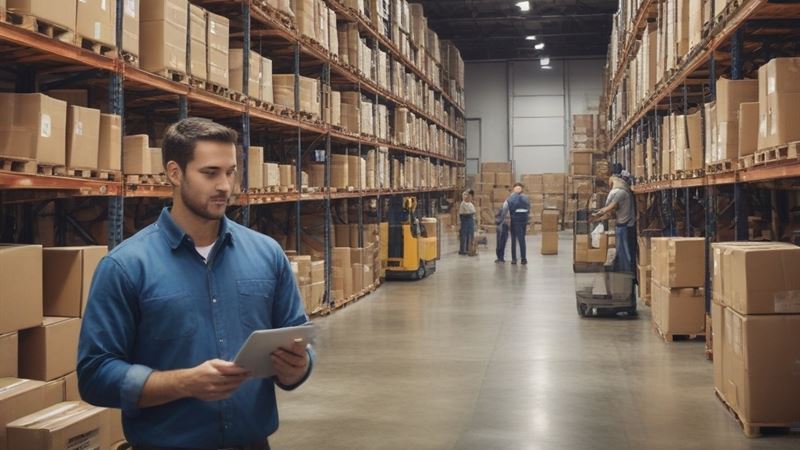
Key Roles in Australian Warehousing
- General Warehouse Operative: The foundation of warehouse work involves loading and unloading shipments, organizing stock, and assisting in maintaining accurate records of inventory. This role demands high attention to detail and physical stamina.
- Forklift Driver: Operating forklifts to move heavy goods safely is a critical task. Certification and skill are mandatory, as this role involves operating machinery that can pose safety risks if not handled properly.
- Warehouse Supervisor: Overseeing daily warehouse activities, managing staff, and ensuring that operational procedures are followed efficiently. Leadership qualities and previous warehouse experience are essential in this position.
- Inventory Control Specialist: This position focuses on tracking, managing, and reconciling stock levels. Accurate inventory management minimizes discrepancies and ensures order fulfillment accuracy.
- Order Picker and Packer: These roles involve selecting products from storage, packing them securely, and preparing shipments for dispatch. Speed, accuracy, and organizational skills are crucial.
- Quality Assurance Inspector: Ensuring that products meet specified quality standards through inspections and testing helps businesses maintain customer satisfaction and comply with safety regulations.
Essential Skills for Warehouse Careers
- Precision and Attention to Detail: Accurately managing inventory and processing orders prevent costly mistakes and ensure smooth operations.
- Physical Endurance: Many warehouse tasks involve lifting, standing, and bending for extended periods, requiring good physical condition.
- Basic Computer Literacy: Familiarity with inventory management software, scanning devices, and other digital tools boosts efficiency and productivity.
- Effective Teamwork: Warehouse operations are collaborative by nature. Ability to work well with others improves overall workflow and safety.
- Problem-Solving Skills: Quickly resolving issues like order discrepancies or equipment malfunctions minimizes delays.
- Time Management: Meeting deadlines and maintaining high productivity are essential for warehouse success.
Work Conditions and Compensation in Australian Warehouses
- Work Hours and Shifts: Many warehouses operate 24/7, offering various shift options such as day, night, and weekend shifts to meet supply chain needs.
- Salary Expectations: Entry-level positions typically start at around AUD 20 to AUD 25 per hour. Skilled roles like forklift operators or supervisors often earn higher wages, reflecting their experience and certifications.
- Safety Regulations: Australia enforces strict workplace safety standards, requiring employers to provide adequate training, protective gear, and safety protocols to protect staff from hazards.
- Job Security and Industry Stability: The logistics sector remains resilient, with steady demand supported by the growth of online retail and international trade. This stability provides long-term job prospects for warehouse workers.
Advancement Opportunities and Career Growth
- Skill Enhancement: Obtaining certifications such as forklift operation, ERP systems, or safety courses strengthens a worker’s qualifications and employability.
- Promotion Pathways: Demonstrating competence and leadership can lead to supervisory, managerial, or specialized roles within the warehouse environment.
- Specialization Areas: Employees can explore areas like supply chain logistics, inventory optimization, or quality assurance to become experts in niche fields.
- Lateral Transfers: Gaining knowledge in related fields such as transportation management or procurement enables lateral career moves within the broader logistics industry.
Looking Ahead: The Future of Warehouse Employment in Australia
- Growth Driven by E-commerce: The surge in online shopping has drastically increased demand for warehousing and delivery services, creating abundant employment opportunities.
- Technological Innovations: Automation, robotics, and advanced warehouse management systems are transforming the sector, requiring a workforce skilled in modern technologies.
- Sustainable Practices: The push towards environmentally friendly logistics solutions, such as green warehouses and energy-efficient operations, is opening new roles focused on sustainability initiatives.
- Resilience and Adaptability: As supply chains become more complex and responsive, warehouse workers equipped with up-to-date skills will be essential for maintaining operational efficiency.