
Explore Careers in Forklift Operation Across Japan: Opportunities, Challenges, and Future Trends
Discover the dynamic world of forklift careers in Japan. Explore industry growth, necessary qualifications, work environments, challenges, and future trends. Learn how technological advancements and government initiatives are shaping the future of forklift operation roles in Japan’s bustling logistics and manufacturing sectors. Gain insights into skill requirements, safety protocols, and career development opportunities in this essential industry.
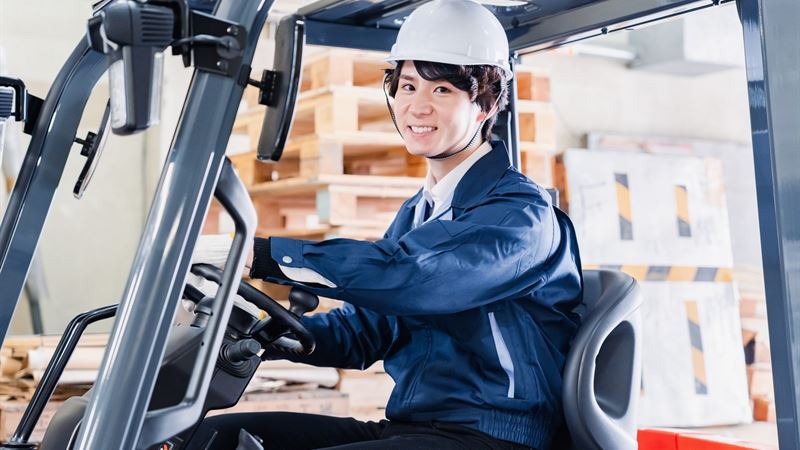
As Japan's manufacturing, logistics, and retail sectors continue to expand, the demand for skilled forklift operators remains robust. The increasing complexity of supply chains and the rise of e-commerce have made forklift roles more critical than ever. Leading companies such as Toyota Industries, a global leader in forklift manufacturing, Yamato Transport, a major logistics provider, and online retail giants like Amazon and Rakuten are continually looking for qualified forklift operators to streamline their operations. This article provides a comprehensive overview of forklift job opportunities in Japan, including qualifications, work environments, common challenges faced, and the evolving future of this profession.
1. Major Employers and Industry Landscape
Japan’s industrial landscape offers a variety of employment opportunities for forklift operators. Large-scale manufacturing firms such as Toyota Industries not only employ forklift drivers but also produce these machines, creating a symbiotic relationship within the industry. Logistic companies like Yamato Transport, Sagawa Express, and Nippon Express rely heavily on forklift operators to facilitate the smooth movement of goods within warehouses, distribution centers, and freight terminals. Retail giants such as Amazon Japan, Rakuten, and AEON also need skilled operators to handle inventory management, order fulfillment, and shipment processing.
These companies often seek candidates with specific skills and certifications to ensure safety and efficiency. The Japanese logistics and manufacturing sectors are known for their rigorous standards, emphasizing safety, precision, and reliability. Consequently, forklift operators are highly valued team members responsible for maintaining continuous workflows in fast-paced environments.
2. Qualifications and Essential Skills for Forklift Operators in Japan
To become a forklift operator in Japan, individuals must meet certain training and certification requirements. The primary qualification is obtaining a valid forklift operation license, which requires completing a certified training program accredited by the Japanese government. These programs are designed to teach essential safety protocols, machine handling, and operating procedures, culminating in a practical examination to assess competence.
In addition to initial certification, successful forklift operators possess several key skills that enable them to perform their duties effectively and safely:
- Proficiency in operating various types of forklifts, including standard counterbalance forklifts, reach trucks, and narrow aisle lift trucks
- Strong spatial awareness to gauge distances accurately within confined spaces
- Excellent hand-eye coordination to ensure precise maneuvering and load handling
- Rigorous understanding of safety regulations and procedures to prevent accidents and injuries
- Basic knowledge of warehouse management systems and inventory tracking software
Many employers also prefer candidates with prior experience in logistics, manufacturing, or warehouse settings. Some companies offer apprenticeship programs or on-the-job training to help new hires develop necessary skills and adapt quickly to their work environment.
3. Typical Work Environments and Day-to-Day Responsibilities
Forklift operators in Japan work across diverse settings, each with its unique challenges and demands. Common work environments include warehouses, distribution warehouses, manufacturing plants, shipping yards, and retail fulfillment centers. Their core responsibilities revolve around loading and unloading goods, transporting materials, organizing storage areas, and preparing shipments for dispatch.
In warehouses, operators often work on assembly lines, moving raw materials to production lines or finished products to storage units and delivery bays. This role demands physical stamina, attention to detail, and adherence to safety protocols to prevent accidents, especially when handling heavy or hazardous materials.
The physical environment can be noisy, busy, and occasionally stressful, especially during peak seasons or when managing urgent deliveries. Operators often work long shifts, sometimes including overtime, night shifts, or weekend hours. Maintaining mental focus and physical endurance is critical to preserve safety and productivity.
Safety plays a central role in daily operations. Regular training sessions, safety drills, machinery inspections, and adherence to protocols help minimize risks. Employers invest heavily in creating a secure work environment, recognizing that a single accident can cause significant operational delays and safety incidents.
4. Challenges Facing Forklift Operators in Japan
Despite the vital role forklift operators play in Japan’s industries, several challenges affect their work life and career development.
- Workplace Safety Concerns: Operating heavy machinery in confined spaces or in environments with high foot traffic increases the risk of accidents. Heavy loads, improper handling, or equipment malfunctions can lead to serious injuries or fatalities. Continuous safety training, strict adherence to regulations, and modern safety equipment are essential to mitigate these risks.
- Wage Disparities and Compensation: While forklift operation is a stable job, pay scales can vary significantly depending on the employer, location, and level of experience. Entry-level roles may offer modest wages, with higher earnings possible through specialization or working for larger companies.
- Job Security and Automation Threats: The rise of automation, robotics, and AI-driven warehouse systems pose long-term risks to manual forklift operation. Autonomous forklifts and automated guided vehicles (AGVs) are increasingly replacing manual labor, leading to concerns about future employment stability for operators.
However, such technological changes also open new career pathways for operators willing to develop advanced skills related to maintenance, system oversight, and robotics integration.
5. Future Outlook and Industry Trends
The future of forklift employment in Japan is poised for gradual transformation influenced by technological innovation, sustainability efforts, and government initiatives.
- Embracing Automation and Advanced Technologies: While automation reduces some traditional roles, it also creates demand for technicians skilled in operating and maintaining complex machinery like autonomous forklifts, drones, and warehouse robots. Cross-training workers to handle these new systems is becoming increasingly valuable.
- Focus on Eco-friendly Solutions: Japan’s push toward sustainable industry practices encourages the adoption of electric forklifts powered by batteries, hydrogen fuel cells, or hybrid systems. These eco-friendly machines require operators trained in handling new technologies and understanding energy management protocols. They also contribute to the nation’s environmental goals.
- Government Support and Workforce Development: The Japanese government actively promotes workforce development through vocational training, subsidies for companies hiring skilled operators, and initiatives to upgrade industry standards. These efforts aim to enhance the quality and safety of forklift operations and encourage more individuals to pursue careers in logistics and manufacturing.
In conclusion, forklift jobs in Japan remain a vital part of the country’s industrial ecosystem. Despite challenges related to safety, wages, and automation, the industry offers promising opportunities for those willing to learn new skills and adapt to changing technology trends. With continuous training, a focus on safety, and embracing innovation, forklift operators can enjoy rewarding, stable careers in Japan’s dynamic market. The industry’s future will depend heavily on technological advancements, sustainable practices, and government support, making it a resilient and evolving career choice.
Maintaining safety, increasing professional competency, and staying updated on technological trends will be crucial for forklift operators aiming to secure long-term careers in Japan’s thriving logistical and manufacturing sectors.