
Expert Strategies for Transforming Your Interior Spaces
Discover expert tips for decorating your home interiors with detailed planning, style selection, budgeting advice, and innovative decor ideas. Learn how to measure, create floor plans, choose the right colors, and add finishing touches to transform your space into a beautiful, functional haven that reflects your personality and lifestyle.
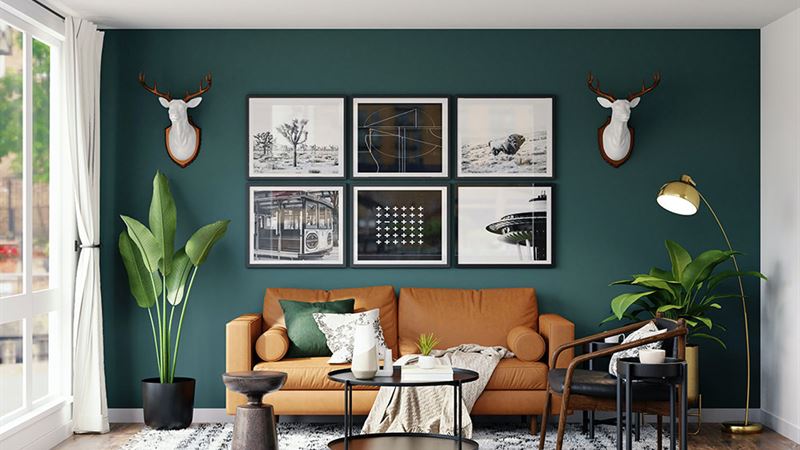
Creating a beautiful, functional home interior is both an art and science. Whether you're planning a complete renovation or just looking to refresh your current decor, understanding key principles can make the process smoother and more successful. This comprehensive guide presents tried-and-true techniques for interior design, from precise measurements to inspiring decorating ideas. Read on to discover how to plan your space effectively, select styles that reflect your personality, set a practical budget, and incorporate innovative decor ideas to elevate your home’s aesthetic appeal.
Effective interior decoration starts with proper planning. The first crucial step is to take detailed measurements of your space. This involves recording the length, width, and height of each room, including any architectural features such as stairs, columns, radiators, or built-in fixtures that could influence furniture placement or overall layout. Accurate measurements are essential to ensure that new furniture and decor elements fit perfectly, avoiding costly mistakes. Incomplete or incorrect measurements might lead to purchasing oversized or undersized items that disrupt the harmony of the space. Therefore, dedicate time to note down every detail and cross-verify measurements before moving forward.
Once you have your measurements, the next step is creating a professional-grade floor plan. Drawing to scale on paper with a ruler or using specialized drafting software helps visualize the layout. This process allows you to experiment with different furniture arrangements and identify potential issues before physically moving items around. To enhance accuracy, many seasoned designers use painter's tape to outline where furniture pieces will sit against the walls or on the floor. This visual aid provides a realistic idea of spatial proportions, making it easier to choose appropriately sized furniture. The goal is to ensure that every element fits comfortably, promotes good flow, and maximizes usability.
Choosing a defining style is another critical aspect of interior design. Your personal taste, combined with practical considerations, influences your choice of decor themes. Whether you prefer a sleek modern look, a cozy traditional ambiance, or a minimalist contemporary style, there's no right or wrong. It's important to consider the lifestyles of all household members and how the space will be used daily. For example, families with children may prefer durable and easy-to-clean materials, while individuals seeking serenity might lean toward calming colors and soft textures. Aligning your style with functional needs creates a cohesive space that feels authentic and comfortable.
Financial planning plays a vital role in decorating your home. Establishing a clear budget before making purchases helps prevent overspending on unnecessary items. Decide how much you're willing to invest in each area, such as furniture, paint, flooring, and decor accessories. A good rule of thumb is to allocate funds based on priorities, ensuring essentials are covered first. Additionally, setting aside a contingency fund—typically 10-15% of your total budget—can help manage unexpected expenses that arise during renovation or styling. A well-planned budget allows you to achieve your interior dreams without financial stress.
Timing your decor purchases strategically is essential. Many homeowners make the mistake of buying furniture and accessories before completing major renovation tasks like installing floors or finishing drywall. Rushing to acquire decor prematurely can lead to overcrowded spaces and accidental damage during ongoing construction. Plus, new furniture and decor might inadvertently get stained or damaged in the process. Completing the core renovations first ensures a clean, finished backdrop for your decor, resulting in a more polished and cohesive final look. Remember, patience during the process ultimately translates to a more satisfying result.
Color selection is another pivotal element of interior design. Before committing to a paint color, test multiple shades on your walls—this helps you visualize how they look under different lighting conditions throughout the day. A small patch of sample paint allows you to compare textures, shades, and finishes without risking a large, costly repaint. Sampling also prevents dissatisfaction with the final look, saving time and money in redoing the paint. Consider using neutral lighter shades for small or dark rooms, as they tend to make spaces look more open and inviting. For larger areas, bold colors can add personality and warmth.
Innovative decorating ideas can breathe new life into your home. Incorporating mirrors strategically can amplify natural light and give the illusion of a larger space. Position mirrors across from windows to reflect sunlight, but avoid placing them directly opposite windows, which can send light outdoors rather than into the room. Rugs under furniture pieces add an element of sophistication and help define separate zones, especially in open-plan layouts. For small rooms, opting for white or lighter shades on walls enhances the sense of spaciousness. Lastly, don’t overlook the impact of exterior elements like the front door. Applying glossy paint in bold hues such as red, yellow, or orange creates an inviting first impression. Consider replacing your door with a glass-storm door to add a modern elegance and boost curb appeal.
Incorporating these ideas and strategies into your interior design process will help you create a space that is both aesthetically pleasing and practical. From meticulous planning to creative finishing touches, a well-executed interior makeover can significantly enhance your living environment and reflect your personal style. Remember, patience and attention to detail are your best allies on this journey. Get ready to transform your home into a vibrant, harmonious retreat that meets all your needs and exceeds your expectations.