
Enhancing Your Home and Garden: Expert Tips for a Beautiful Living Space
Discover expert tips to improve your home and garden with efficient composting, native plant selection, and elegant interior decoration. Learn how to create a harmonious living environment that combines sustainability and style for a beautiful, functional space.
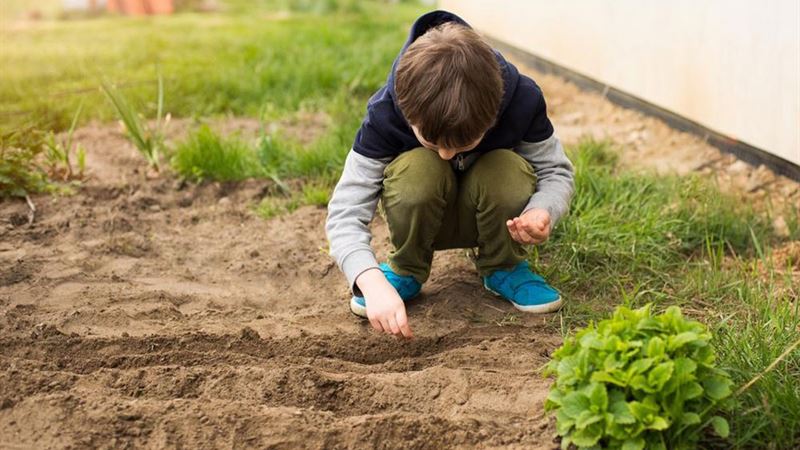
Composting is a vital component of sustainable gardening, offering a natural way to enrich your soil. Traditional cold composting involves gathering organic waste in bins or composters and allowing it to naturally decompose over a period of about a year. This method requires patience but results in nutrient-rich compost ideal for various garden needs. On the other hand, hot composting is a rapid process that transforms organic matter into usable compost within just one to three months. This accelerated method involves maintaining specific conditions, including optimal temperature, moisture, and aeration, to stimulate microbial activity.
To achieve successful hot composting, you need to balance critical ingredients: nitrogen-rich green materials such as grass clippings and food scraps, carbon-rich brown materials like dried leaves and straw, adequate airflow, and moisture. These elements feed the microorganisms responsible for breaking down waste efficiently. When done correctly, the result is high-quality compost that can significantly improve plant health and productivity. Using homemade compost in your garden not only reduces waste but also promotes healthy plant growth, leading to lush, vibrant gardens.
Choosing the right plants for your garden also plays a crucial role in overall garden health. Native species are often the best choice because they are naturally adapted to local climate and soil conditions, making them more resistant to pests and diseases. Incorporating native plants can reduce the need for chemical interventions and support local ecosystems. When planning your garden, consider the soil health and ensure it is well-amended with nutritious compost. healthy soil is the foundation of a thriving garden, supporting robust plant growth and resilience against environmental stressors.
Creating an inviting and functional home environment goes beyond just the interior design. A balanced approach that includes thoughtful outdoor landscaping and garden decoration can significantly enhance your living space. Properly designed gardens integrate seamlessly with the home, providing a tranquil retreat and an aesthetic appeal. Incorporate native plants, create walking paths, or add decorative elements to make your outdoor space more inviting. Furthermore, using natural, home-made compost for garden plants adds vitality to your landscape, creating a vibrant environment.
Interior decoration is equally important for building a harmonious home. Focus on simplifying your space while maintaining elegance. Avoid clutter and overcrowding by choosing furniture carefully; opt for pieces that complement the room’s size and style. For example, high-backed chairs and a sturdy wooden dining table can serve as attractive focal points in your dining area, complemented by matching rugs or mats. Emphasizing simplicity and functionality enhances the overall ambiance, making your home more comfortable and visually appealing. Small design touches, like tasteful décor and well-chosen color schemes, can significantly elevate your home’s aesthetics.
Combining well-maintained gardens with thoughtfully decorated interiors creates a cohesive living space that exudes warmth and sophistication. Remember, attention to detail—whether in composting techniques, plant selection, outdoor design, or interior décor—is key to transforming your house into a beautiful, welcoming home and garden. Engage in eco-friendly practices, select harmonious furnishings, and focus on creating a balanced environment to make your living space truly special.