
Comprehensive Strategies for Managing Moderate to Severe Plaque Psoriasis
This detailed guide explores advanced treatment options for moderate to severe plaque psoriasis, including biologic therapies, systemic medications, and phototherapy. Learn about personalized management strategies, upcoming research, and the importance of expert care to achieve optimal outcomes in complex cases of psoriasis. Emphasis is placed on the challenges and solutions for long-term disease control, patient adherence, and improving quality of life for affected individuals.
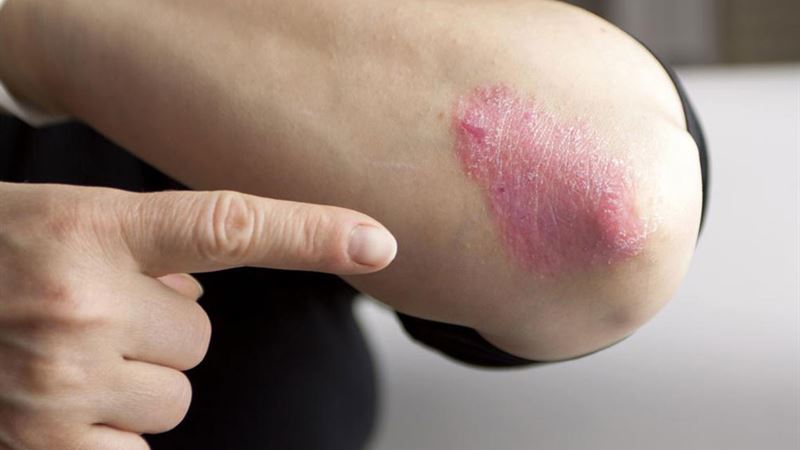
Living with moderate to severe plaque psoriasis presents numerous challenges, especially when the condition impacts significant areas of the skin, including the scalp, nails, and other regions. Effective management of this chronic autoimmune disease requires a thorough understanding of the available treatment options, their complexities, and the factors influencing treatment success. When psoriasis severity escalates from mild to moderate or severe, therapeutic approaches become more aggressive, often involving a combination of topical, systemic, and biological therapies. This comprehensive guide aims to shed light on advanced treatment protocols, ongoing research, patient considerations, and the importance of personalized care plans for managing moderate to severe plaque psoriasis effectively.
Psoriasis affects approximately 2-3% of the global population, with moderate to severe forms impacting about 5-10% of those affected. The disease causes the immune system to overproduce skin cells, leading to thickened, inflamed patches that are often itchy, painful, and cosmetically concerning. The severity of psoriasis is classified based on the percentage and location of affected skin, as well as the impact on a patient's quality of life.
For individuals with moderate to severe plaque psoriasis, treatment complexity increases substantially. Topical treatments, such as corticosteroids, vitamin D analogs, and moisturizers, are often insufficient alone in severe cases. Consequently, systemic therapies, including oral medications and injectable biologics, are employed to control symptoms and prevent disease progression. These treatments aim not just to provide symptomatic relief but also to modify the underlying immune response driving the disease.
One of the primary challenges in treating moderate to severe psoriasis is the cost and accessibility of therapies, especially biologic agents. These advanced treatments can be expensive, and not all patients respond optimally. Furthermore, effective management requires specialized dermatological expertise to tailor therapy plans according to individual needs, monitor for side effects, and adjust treatments over time. Patients often undergo regular assessments and laboratory tests to ensure safety and efficacy during therapy.
Among the most effective biological therapies are tumor necrosis factor (TNF) inhibitors, such as adalimumab, etanercept, and infliximab. These biologic agents work by targeting specific immune pathways involved in psoriasis. Other biologics target interleukin pathways, like secukinumab and ixekizumab, offering additional options for resistant cases. In addition to biologics, traditional systemic medications like methotrexate, cyclosporine, and acitretin have long been used, although they carry potential side effects and require careful monitoring.
Phototherapy, particularly narrowband ultraviolet B (UVB) therapy, is another cornerstone treatment for moderate to severe cases, often used alone or in conjunction with systemic approaches. While effective, phototherapy requires multiple sessions, which can be time-consuming and costly. Hospitalization may be necessary for some patients, especially when quick disease control is needed or when managing side effects.
Achieving remission in severe psoriasis can take weeks or months, and ongoing maintenance therapy is crucial to sustain improvements and prevent flare-ups. Patients should be educated about the importance of adherence to treatment regimens, lifestyle modifications, and trigger avoidance.
Special considerations are necessary when treating pediatric patients with severe psoriasis, as their condition demands careful selection of therapies due to potential long-term effects. Pediatric psoriasis treatments often mirror adult protocols but with adaptations to ensure safety and efficacy.
Overall, managing moderate to severe plaque psoriasis involves an interdisciplinary approach that combines dermatological expertise, patient education, and personalized treatment strategies. With ongoing research and development of newer biologic agents, the outlook for patients with severe psoriasis continues to improve, offering hope for better quality of life and disease control.