
Understanding Scalp Psoriasis: Symptoms, Causes, and Effective Treatment Strategies
Scalp psoriasis is a persistent skin condition characterized by scales, redness, and itching. Recognizing early symptoms, understanding causes, and following effective treatment strategies can significantly improve quality of life. This comprehensive guide details the signs to watch for, triggers to avoid, and treatment options including medicated shampoos, topical medications, and lifestyle changes. While incurable, scalp psoriasis can be managed successfully with professional medical guidance, ensuring relief from discomfort and reducing flare-ups. Learn how to address this condition effectively and maintain a healthy scalp through proper care and treatment.
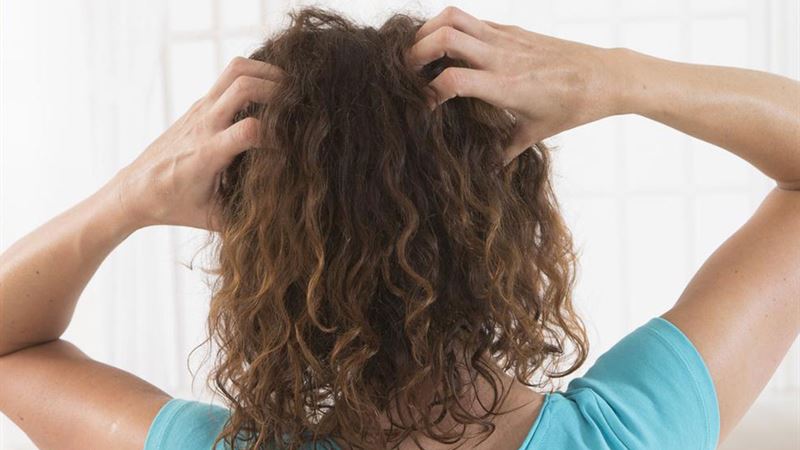
Recognizing Symptoms of Scalp Psoriasis
Understanding the symptoms of scalp psoriasis is fundamental in seeking timely treatment. Initial signs often resemble dandruff, with flaky patches and dry scalp. As the condition progresses, you might observe raised, bumpy patches covered with thick, white-silvery scales—these are characteristic of psoriasis. The skin may become inflamed, red, and itchy, creating a persistent discomfort that can interfere with daily routines. Some individuals report burning sensations alongside itching, and in severe cases, patches can merge, involving larger areas of the scalp. This can make hair care and styling challenging. Importantly, scalp psoriasis does not directly cause hair loss; rather, ongoing scratching or intentionally picking at the scales can weaken hair follicles temporarily. Recognizing these symptoms early and seeking professional advice is vital for preventing complications and improving quality of life.
Causes and Contributing Factors
The precise cause of scalp psoriasis remains unknown, but it is generally considered an autoimmune disorder where the immune system mistakenly attacks healthy skin cells. This results in an accelerated skin cell turnover process, leading to the buildup of scales and plaques characteristic of psoriasis. Genetics play a significant role, as a family history of psoriasis increases susceptibility. Environmental triggers such as stress, skin injuries, infections, cold weather, or certain medications can also exacerbate symptoms. Additionally, lifestyle factors like smoking, excessive alcohol consumption, and a poor diet may influence disease severity. Understanding these triggers can help patients avoid flares and better manage their condition through lifestyle adjustments alongside medical treatments.
Effective Treatment Options for Scalp Psoriasis
While scalp psoriasis is an incurable condition, numerous treatments exist to effectively control and reduce symptoms, allowing individuals to lead comfortable, symptom-free lives. Treatment strategies depend on the severity of the condition and the extent of scalp involvement. Mild cases can often be managed with over-the-counter products, whereas moderate to severe cases require prescription medications under medical supervision. It is essential to treat scalp psoriasis directly at the skin level using medicated shampoos, topical treatments, and other remedies.
Topical treatments are the cornerstone of scalp psoriasis management. FDA-approved products containing salicylic acid and coal tar are commonly used to reduce scales and inflammation. For more severe cases, dermatologists may prescribe corticosteroid creams, ointments, or gels to diminish inflammation and itching. Phototherapy or light therapy might be recommended in some cases, especially when topical treatments prove insufficient. In cases of extensive involvement, systemic medications such as biologics or oral immunosuppressants might be necessary, always prescribed and monitored by healthcare professionals.
Proper application of treatments is key to success. Medications should generally be applied directly to the affected scalp area, following the doctor's instructions precisely. This ensures optimal absorption and effectiveness. It’s important to avoid overly harsh scrubbing, which can worsen irritation. Once symptoms improve and the psoriasis clears, maintenance therapy with medicated shampoos or topical agents should continue, often on a weekly basis, to prevent flare-ups and keep the scalp healthy.
In addition to medical treatments, lifestyle changes such as managing stress, maintaining a healthy diet, avoiding known triggers, and practicing good scalp hygiene can significantly improve outcomes. Regularly moisturizing the scalp and avoiding harsh hair care products can also help reduce dryness, irritation, and sensitivity. Remember, consistency and patience are crucial — psoriasis management is ongoing, but with the right combination of therapies and lifestyle adjustments, symptoms can be effectively controlled, leading to a better quality of life.