
Comprehensive Guide to Senior Stairlifts in 2024: Features, Types, and Cost Considerations
Discover comprehensive insights into the variety of senior stairlifts available in 2024, including features, types, costs, and purchasing options. This detailed guide helps seniors and their families choose the safest, most affordable mobility solutions tailored to different staircase configurations and physical needs. Learn about rental and pre-owned models, installation timelines, safety features, and maintenance tips to enhance independence and comfort at home.
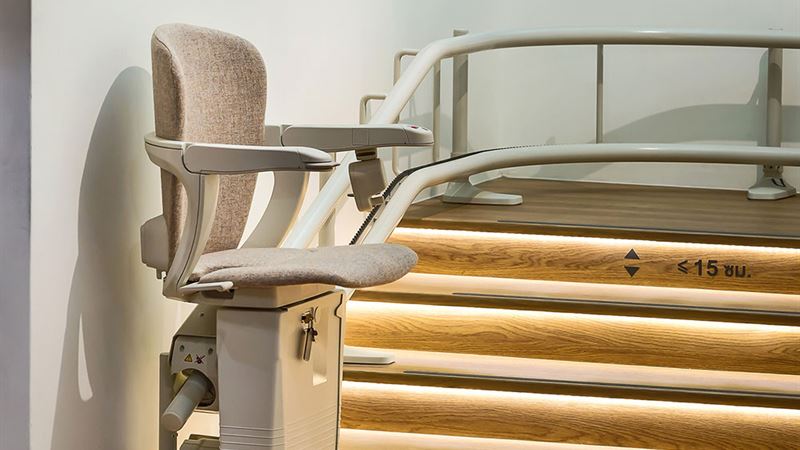
For seniors seeking safer and more convenient access to different levels within their homes, stairlifts have become an indispensable assistive device. Modern stairlifts are designed to provide comfort, safety, and ease of use, ensuring independence for those with mobility challenges. In this detailed guide, we explore the various types of mobile stairlifts available in 2024, their unique features, and the associated costs to help seniors, caregivers, and family members make informed decisions about mobility solutions.
Understanding Different Types of Stairlifts and Their Features
and Pricing Structures
Types of stairlifts tailored to various needs include standing or perch lifts, straight-seated models, and curved or custom-fit stairlifts. Each type offers distinct advantages based on the user's physical condition, staircase configuration, and budget.
Standing or Perch Stairlifts
This type is ideal for seniors who can walk but require assistance to ascend or descend stairs, especially when sitting might be uncomfortable due to joint issues or other health concerns. Standing or perch stairlifts provide a supportive platform for users to support themselves while moving up or down stairs. Features typically include durable handrails for stability, safety belts to secure the user, and sturdy footrests for comfort. Modern models operate smoothly along tracks installed on the staircase, either attached to the wall or fixed to the steps. Maintenance requires periodic inspections by professional technicians to ensure operational safety. The costs for perch stairlifts vary depending on the staircase's structure; a basic model can start at around $2,500, whereas more advanced systems with additional features or customizations can reach up to $20,000.
Straight Stairlifts
Among the most common designs, straight stairlifts are suitable for homes with linear staircases. They feature a sleek design with swivel seats for easy access and egress. Many models come equipped with powered swivels, making it easier for users to sit or stand without excessive effort. Textured and anti-slip footrests enhance safety, while call/send controls positioned at both the top and bottom of the staircase allow users to summon the device conveniently. Installation is typically quick, often completed within two to three days, especially for standard, non-customized models. Pricing ranges from $2,000 to $9,000, with lower-cost options suited for indoor use, while outdoor models, designed to withstand weather elements, tend to be a bit more expensive due to additional materials. These stairlifts are widely available and easy to maintain, making them popular choices in residential settings.
Curved or Custom Stairlifts
Curved stairlifts are specifically designed for homes with winding or multi-flight staircases. They are engineered with custom rails that follow the exact contours of the staircase, ensuring a perfect fit. These devices are typically battery-powered to ensure continuous operation even during power outages. Features include foldable arms and footrests to save space, safety sensors to halt movement upon detecting obstacle interference, and emergency brakes for added security. Each curved stairlift is custom-made and installed after precise measurements, often taking several weeks from order to completion. The complexity of installation and customization results in higher costs, ranging from approximately $9,500 to $25,000. Additional features like remote call buttons on each floor, adjustable speed controls, and safety harnesses are often included to enhance user experience and safety.
Affordable and Practical Options for Purchasing or Renting Stairlifts
For many seniors, affordability is a significant concern when considering mobility aids. While brand-new stairlifts offer the latest technology and safety features, they may be cost-prohibitive for some. Fortunately, options such as rental or purchasing pre-owned systems provide viable alternatives. When selecting a stairlift, it's essential to evaluate the specific needs, staircase configuration, and financial considerations.
Rental Options for Temporary Use
Renting a stairlift offers tremendous flexibility and cost savings, especially for short-term needs such as recovery from surgery or temporary mobility issues. Rental costs for straight stairlifts generally range between $200 and $500 per month, while curved models can cost $1,500 to $5,000 depending on the staircase's complexity. Rentals are also ideal for seniors who need a stairlift on an occasional basis or are unsure about a long-term commitment. Maintenance and servicing are typically handled by rental providers, alleviating concerns over upkeep. However, it's advisable to verify maintenance policies and support services before finalizing rental agreements.
Purchasing Pre-Owned Stairlifts
For budget-conscious buyers, pre-owned or secondhand stairlifts offer a practical solution. These systems can retail between $2,000 and $3,000, significantly less than new models. When purchasing a pre-owned device, it's crucial to inspect and verify its condition thoroughly. Ensure that the system has been properly maintained and serviced by qualified technicians. Also, check compatibility with your staircase type and confirm whether replacement parts are readily available to avoid future maintenance issues. Buying pre-owned stairlifts from reputable vendors or certified refurbishers can ensure safety and reliability.
Making the Right Choice for Safety and Comfort
Before investing in a stairlift, consult with healthcare professionals to determine the most suitable type based on individual mobility needs and health conditions. For example, seniors with limited bilateral leg strength might prefer seat-based models, while those with balance issues may benefit from standing or perch lifts. Additionally, careful measurement of the staircase, consideration of the home's layout, and understanding of the technical features are vital. Proper installation by qualified technicians is essential to guarantee safety and optimal operation. With the right stairlift in place, seniors can maintain independence, avoid falls, and enjoy greater quality of life at home.