
Comprehensive Guide to Stairlifts: Variations, Applications, and Price Insights
This comprehensive overview explores the various types of stairlifts, including straight, curved, and outdoor models, detailing their functionalities, installation considerations, safety features, and cost estimates. It provides valuable insights into how these devices improve mobility and safety for users with stair navigation challenges. Cost-saving options and assistance programs are also discussed, making this guide a valuable resource for homeowners and caregivers seeking reliable stairlift solutions for improved accessibility and independence.
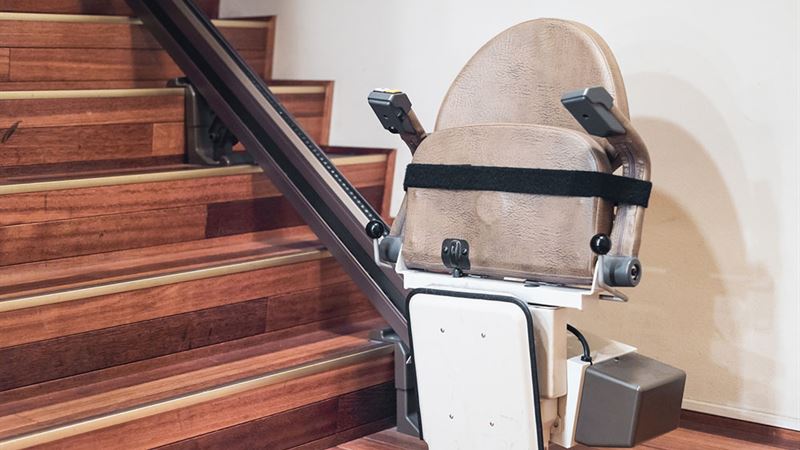
Stairlifts are versatile mobility devices designed to facilitate safe and comfortable ascents and descents on stairs, including complex curved layouts and outdoor environments. These lifts come equipped with advanced safety features and user-friendly controls, making them ideal for individuals with mobility challenges. They are also adaptable for different staircase configurations, ensuring broad applicability in residential and outdoor settings. This detailed guide explores how stairlifts operate, the various types available, their installation considerations, safety protocols, and an extensive overview of associated costs, offering comprehensive insights to potential users and installers alike.
How do stairlifts function? Most electric stairlifts utilize a battery-assisted rack-and-pinion drive system. They are connected to a power outlet, usually located at the top or bottom of the staircase, which charges the onboard batteries. The system operates with safety mechanisms such as speed governors and emergency brakes, ensuring secure and reliable journeys. The typical travel speed for standard stairlifts is approximately 18 feet per minute, striking a balance between efficiency and safety. The electrical power maintains battery charge, enabling the lift to operate smoothly across multiple levels.
Importantly, stairlifts are designed to be energy-efficient, consuming minimal electrical power during operation, thus preventing significant increases in electricity bills. During power outages, the built-in batteries enable continued operation for approximately 20 trips, providing peace of mind. To conserve battery life, users can switch off the isolator switch when the lift is not in use, a step recommended primarily during outages. The lifespan of a stairlift battery typically ranges from one to five years, depending on usage frequency. When replacement is needed, professional servicing is advised to ensure the correct battery replacement and optimal functioning.
Types of stairlifts include three main categories, each tailored to specific staircase designs: straight, curved, and outdoor models. Each type offers distinct features suited to different architectural layouts and environmental conditions.
- Straight stairlifts
This is the most prevalent type, crafted specifically for straight staircase configurations. These stairs typically range from 12 to 16 steps, though variations may exist based on architectural design. Straight stairlifts are suitable for stairs up to roughly 12 meters in length, providing an effective solution for most residential settings. They are straightforward to install and often less costly compared to curved models. Their design is minimalist and efficient, making them a popular choice for typical home staircases.
- Curved stairlifts
Designed for staircases featuring turns, bends, or landings, curved stairlifts are custom-built or modular to match specific staircase contours. Custom curved stairlifts are fabricated following a detailed home survey, ensuring precise fit and safe operation. Modular options use pre-made rail segments that can be assembled on-site, offering quicker installation but potentially less smooth rides. These lifts are ideal for complex stair layouts and multi-level homes, offering a seamless blend of safety, comfort, and aesthetic integration.
- Outdoor stairlifts
Outdoors stairlifts are fabricated to withstand environmental elements like rain, snow, and temperature fluctuations. They are installed on exterior stairs leading to gardens, patios, or garages. Constructed from weather-resistant materials such as sturdy metals and plastic seats, outdoor lifts feature protective covers and enclosed rails for added safety. Their portability and compact design allow easy removal and installation, making them suitable for seasonal or temporary outdoor access needs. These models expand mobility options beyond the confines of indoor environments, enabling safe passage in outdoor areas regardless of weather conditions.
Cost considerations vary significantly based on several factors, including the type of stairlift, customization requirements, installation complexity, and additional features. The pricing spectrum provides a general overview:
- Straight stairlifts typically cost between $2,200 and $8,500, depending on features and manufacturer
- Curved stairlifts tend to range from $10,500 to $27,000, reflecting their bespoke design and installation complexity
- Outdoor models generally fall within $5,000 to $30,000, influenced by weatherproofing and installation specifics
- Pre-owned or refurbished stairlifts can be a cost-effective alternative, with prices around $2,000 to $3,000
Financial assistance options include tax deductions (with medical documentation), grants from federal or state programs, and coverage through health insurance plans. Proper planning and comparison shopping can help manage costs while ensuring high-quality solutions tailored to individual needs.