
Comprehensive Guide to Nourishing and Repairing Dry Hair Effectively
Discover an extensive guide to nourishing and repairing dry hair with proven tips, including product selection, protective measures, diet tips, and natural treatments. Achieve softer, shinier hair by adopting these expert-approved strategies for healthy, resilient strands. Perfect for those struggling with dryness, this comprehensive article covers everything from external protection to internal nourishment, ensuring your hair looks and feels its best every day.
Choosing the Right Hair Products
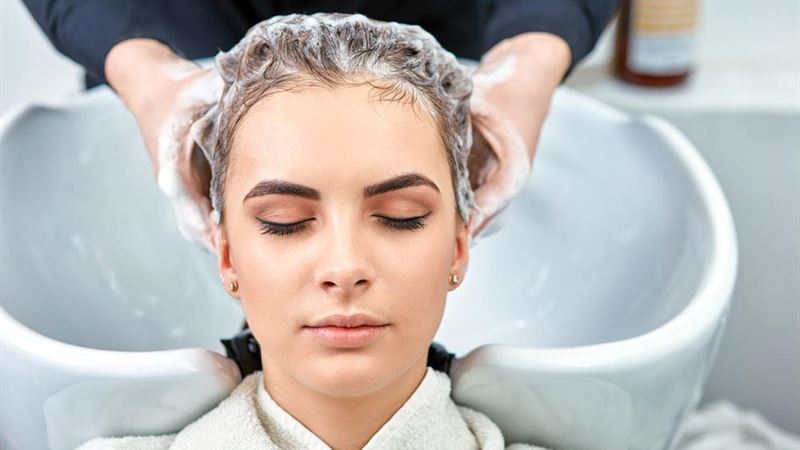
One of the most vital steps in managing dry hair is selecting shampoo and conditioners that cater to your specific needs. Look for products enriched with natural oils such as argan, coconut, or olive oil, as well as moisturizing agents like glycerin or shea butter. These components facilitate deep nourishment and help lock in moisture. Avoid shampoos containing petrolatum or mineral oil; these ingredients tend to create a barrier that traps dirt and prevents external moisture from reaching the hair shaft, ultimately worsening dryness. Instead, opt for gentle, sulfate-free formulas that cleanse without stripping away natural oils, leaving your hair soft, shiny, and well-hydrated.
Protective Headgear
While it might sound unconventional, wearing hats or other protective head coverings is an effective way to shield dry hair from environmental damage. Both summer and winter conditions can strip moisture from your hair due to sun exposure, wind, and cold temperatures. Using a wide-brimmed hat, colorful scarves, or stylish hair accessories provides a physical barrier that preserves your hair’s natural oils. Prior to heading outdoors, apply heat protectant sprays or UV-protective hair products. These form a protective coating that guards against UV rays and environmental pollutants that can dry out and damage your strands. Consistent protection minimizes moisture loss and keeps your hair looking healthy and vibrant.
Stay Hydrated for Healthy Hair
Hydration from within is equally important as external hair care. Drinking an adequate amount of filtered water each day helps maintain the natural moisture balance of your scalp and hair. Proper hydration enhances the ability of hair follicles to produce healthy oils, reducing dryness and brittleness. Make it a daily habit to consume at least 8 to 10 glasses of water, and consider incorporating herbal teas or infused water for added hydration benefits. Remember, if your body is dehydrated, your hair will reflect that condition by becoming dull, lifeless, and more prone to breakage.
Nutrition for Lustrous Locks
What you eat significantly influences your hair's health. Incorporate foods rich in omega-3 fatty acids, such as salmon, mackerel, walnuts, chia seeds, and flaxseeds, to nourish your scalp naturally. These healthy fats penetrate the hair cuticle and contribute to improved moisture retention and shine. Leafy greens like spinach and kale are packed with vital vitamins and minerals that support hair strength. Avocados provide essential oils and nutrients that nourish the scalp and strands, promoting softness and elasticity. Avoid crash dieting or restrictive eating patterns, as they deprive your hair of crucial nutrients needed for growth and repair. A balanced diet ensures your hair receives the necessary building blocks to combat dryness and enhance overall vitality.
Rinsing Techniques to Maintain Moisture
The way you rinse your hair can impact its moisture levels. After washing with moisturizing shampoo, it’s beneficial to rinse your hair with cold water. Cold water helps close the hair cuticle, locking in moisture, and reducing porosity, which prevents further dryness and frizz. Hot water, on the other hand, can strip natural oils and exacerbate dryness. Adopting a routine of finishing your wash with a cold rinse will assist in maintaining hydration, leaving your hair smoother, shinier, and more resilient against environmental stressors.
Regular Trims for Healthy Ends
Split ends and damaged tips are common issues among dry hair. Regular trims—preferably every six to eight weeks—help eliminate those frayed ends, preventing further splitting and breakage. A professional hairstylist can trim your hair to maintain a uniform length suited to your face shape and personal style. Keeping your ends healthy allows your hair to grow longer while remaining strong and smooth. Remember, neglecting trims can lead to uneven growth and a more damaged overall appearance, making your hair look dull and lifeless.
Oil Treatments for Deep Nourishment
Applying nourishing oils is an age-old remedy for dry hair. Coconut oil, jojoba oil, argan oil, and castor oil are especially beneficial. For a deep-conditioning treatment, take a few drops of your chosen oil and massage it gently into damp hair, focusing on the ends where dryness is most prominent. Let the oil penetrate for at least 30 to 40 minutes—preferably under a shower cap or warm towel to enhance absorption—before washing it out with a moisturizing shampoo. To achieve the best results, do this treatment once a week. Natural oils replenish lost moisture, reduce breakage, and add a natural shine, restoring health to even severely dry hair.
Consistently apply these hair care practices, including regular washing with moisturizing shampoos and occasional oil treatments, to revive dry, damaged strands. Maintaining a balanced diet rich in essential nutrients and shielding hair from environmental extremes will further enhance your results. By adopting these comprehensive care tips, you will notice a transformation—your hair becoming softer, shinier, and more resilient. Say goodbye to the frustration of dry hair and welcome a healthy, luminous mane that reflects your inner vitality!