
Essential Guide to Choosing the Perfect Hydrating Shampoo for Dry Hair
Discover effective tips for choosing the best moisturizing shampoos for dry hair. Learn how natural oils, pH balance, and key ingredients can restore hydration, reduce frizz, and improve hair health. Find out why sulfate-free products and proper washing techniques are essential for maintaining soft, shiny, and resilient dry hair. This comprehensive guide helps you make informed choices to achieve healthy hair effortlessly.
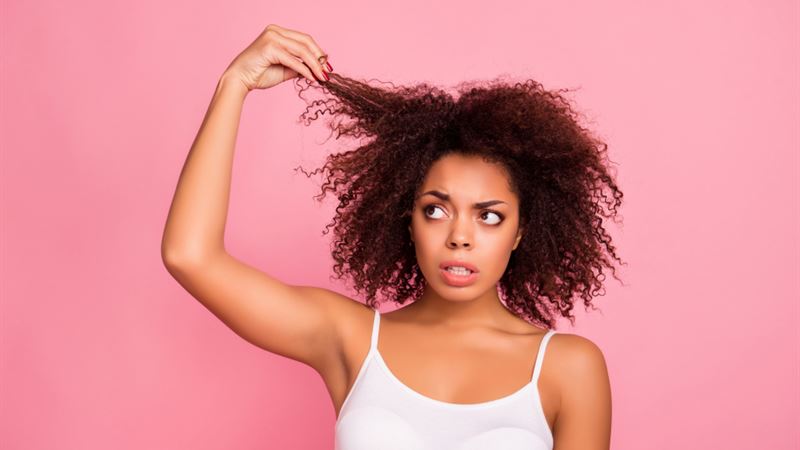
Dry hair can be a persistent problem affecting many individuals, often accompanied by issues like hair breakage, dullness, frizz, and scalp irritation. Selecting the right moisturizing shampoo is crucial for restoring the health, shine, and smoothness of your hair. This comprehensive guide delves into the key factors to consider when shopping for shampoo tailored for dry hair, ensuring your hair receives the nourishment it needs to look lush, soft, and resilient. From understanding the importance of natural oils to avoiding common harmful ingredients, this article covers all vital tips for making an informed purchase decision.
The Role of Natural Oils and Sebum
One of the foundational elements in maintaining healthy dry hair is the production of sebum—your scalp's natural oil. When hair appears dry and brittle, it often indicates a deficiency or imbalance of this essential oil. Incorporating shampoos that feature nourishing oils such as olive oil, coconut oil, jojoba oil, or argan oil can significantly aid in replenishing sebum levels. These oils work as natural emollients, sealing moisture within the hair strands and providing protective barriers against environmental damage. An oil-based shampoo or those infused with essential oils can be particularly effective for dry hair, offering extra hydration and restoring vitality.
Why Choosing Sulfate-Free Products Matters
Many conventional shampoos contain sulfates—harsh detergents that create a rich lather but strip the scalp and hair of vital natural oils. For dry hair, sulfates act as a double-edged sword, exacerbating dryness, leading to increased frizz, and damaging hair cuticles. Opting for sulfate-free shampoos ensures gentle cleansing while preserving the hair’s moisture balance. Organic, herbal, or natural formulations typically exclude sulfates, making them a safer and more suitable choice for those with dry strands. Avoiding sulfates is particularly recommended if you're prone to scalp irritation or dermatitis.
Understanding the Impact of pH Levels
Hair health is closely regulated by the pH level of hair care products. Shampoos with a high pH can damage the cuticle, resulting in roughness, increased porosity, and dryness. Moisturizing shampoos usually have a lower pH, typically around 4.5 to 5.5, which helps maintain the hair cuticle’s integrity and retains moisture. When choosing a shampoo, always check the label for pH information and prefer products formulated specifically for dry or sensitive hair. This ensures your hair remains supple and protected against environmental stressors.
Key Ingredients to Look For in Moisturizing Shampoos
Not all shampoos are created equal—some ingredients are particularly beneficial for dry hair. Prioritize products containing nourishing compounds such as hemp seed oil, tea tree oil, silk protein, jojoba oil, milk proteins, or aloe vera. These ingredients enrich the hair with hydration, reinforce the hair shaft, and reduce frizz. For example, hemp seed oil is packed with omega fatty acids that restore moisture, while silk provides a smooth and shiny appearance. Milk proteins help repair damaged cuticles, resulting in softer and more manageable hair. Always review the ingredient list for these key components to ensure maximum benefits.
Post-Shampoo Conditioning for Optimal Hydration
Shampooing alone isn't sufficient for managing dry hair. Proper conditioning is vital to replenish moisture, seal cuticles, and foster softness. Select a nourishing conditioner designed specifically for dry or damaged hair, which provides deep hydration and helps combat frizz. Regular deep conditioning treatments, at least once a week, can further enhance your hair’s resilience and shine. Use conditioners containing natural oils or plant extracts for additional nourishment and repair.
Opt for Organic and Natural Hair Care
When possible, choose organic, herbal, or natural shampoos to minimize chemical exposure and maximize health benefits for your hair and scalp. Organic ingredients tend to be gentler and more effective in hydrating dry strands without causing irritation or damage. Popular brands offering high-quality organic shampoos include Burt’s Bees, Dr. Organic, Avalon Organics, The Body Shop, Organix, Desert Organics, and Paul Mitchell. These brands prioritize natural formulations that support hair health and environmental sustainability.
Pro Tips for Shampooing Dry Hair
Adopting proper washing techniques can make a significant difference in maintaining moisture. Wash your hair only 2-3 times per week to prevent stripping away natural oils. Always apply shampoo to your scalp first, massaging gently, then work downward toward the ends without reapplying. Use lukewarm or cool water to rinse, avoiding hot water which can exacerbate dryness and weaken hair cuticles. After washing, opt for a hydrating conditioner meant for dry hair. Lastly, prefer a soft T-shirt or microfiber towel over regular towels, as rough fabrics can cause breakage and frizz.
Maintaining healthy, moisturized hair is achievable with the right shampoo and hair care routine. By selecting gentle, sulfate-free, and ingredient-rich products, your dry hair can regain its softness, shine, and strength—making every day a good hair day.