
What Actions to Take When Your Social Security Card Is Missing
Losing your Social Security card can be alarming, but swift action is key. This comprehensive guide explains how to protect your identity, notify authorities, monitor your credit, and replace your card. Learn essential steps to prevent fraud and safeguard your finances in case of loss, ensuring your personal information stays secure and your credit remains intact.
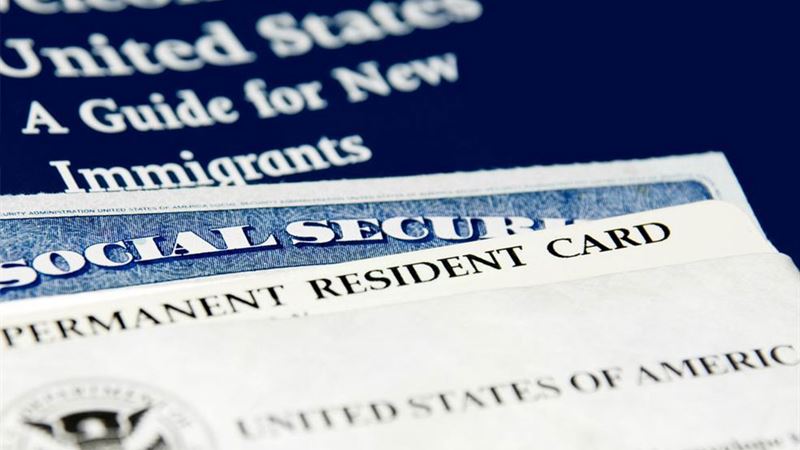
Discovering that your Social Security card is lost or misplaced can be a stressful experience. It's essential to act promptly to protect your identity and finances. Begin by vigilantly monitoring your credit reports and financial activities, especially after losing the card, to spot any suspicious or unauthorized transactions early. Keeping an eye on your credit helps detect potential identity theft before it results in serious damage.
— Protecting Against Identity Theft: Unlike credit or debit cards that can often be reissued with new numbers, your Social Security Number (SSN) is unique and non-replaceable. The loss of your SSN card warrants immediate protective measures. Consider enrolling in a reputable identity theft protection service. Such services send alerts via email or phone whenever activity using your SSN is detected, providing rapid responses to potential threats.
— Monitor Your Credit and Personal Accounts: Once you suspect your SSN or card is lost, keep a close watch on your bank accounts, credit reports, and any financial statements. Look out for unfamiliar accounts, change of address notifications, or any modifications in personal information. This vigilance helps in identifying and halting unauthorized activities early.
— Notify Financial Institutions and Creditor Agencies: Contact your banks, credit card providers, and investment firms immediately to inform them about the loss. Request that they put a hold on your accounts or monitor activities closely to prevent unauthorized use of your data. Many institutions can flag your account for extra scrutiny or restrict transactions until your identity is verified.
— Report to the Social Security Administration: The critical step involves informing the Social Security Administration (SSA) about the loss of your Social Security card. Contact SSA directly to report the theft or loss and request a replacement card. This process ensures that your record is updated and help prevent misuse of your SSN.
— Secure Your Information with a Credit Freeze: Consider placing a credit freeze or fraud alert with major credit bureaus. This action restricts access to your credit report and makes it difficult for identity thieves to open new accounts in your name while you handle the replacement process.
— Replacing Your Social Security Card: Submit necessary documentation to SSA to request a new Social Security card. Typically, you'll need to provide proof of identity, such as a driver’s license or passport, and proof of U.S. citizenship or lawful immigration status. The SSA may also require additional documents depending on your specific circumstances.
— Maintain Continuous Monitoring: After obtaining a replacement card, continue to regularly review your credit reports and bank statements. Early detection of suspicious activity is vital to minimizing financial and personal risks.
— Additional Tips: Avoid carrying your SSN card unnecessarily; keep it in a secure location. Be cautious about sharing your SSN, and only provide it when absolutely required. Regularly update your passwords and security questions on your financial accounts, and stay informed about new fraud tactics and prevention methods. Implement multi-factor authentication when available to add an extra layer of security.
In summary, losing your Social Security card requires immediate and coordinated actions to protect your identity. From monitoring your credit report to alerting financial institutions and obtaining a new card, each step is designed to minimize risk and restore security quickly. Staying vigilant and proactive is your best defense against potential fraud or identity theft.
— Protecting Against Identity Theft: Unlike credit or debit cards that can often be reissued with new numbers, your Social Security Number (SSN) is unique and non-replaceable. The loss of your SSN card warrants immediate protective measures. Consider enrolling in a reputable identity theft protection service. Such services send alerts via email or phone whenever activity using your SSN is detected, providing rapid responses to potential threats.
— Monitor Your Credit and Personal Accounts: Once you suspect your SSN or card is lost, keep a close watch on your bank accounts, credit reports, and any financial statements. Look out for unfamiliar accounts, change of address notifications, or any modifications in personal information. This vigilance helps in identifying and halting unauthorized activities early.
— Notify Financial Institutions and Creditor Agencies: Contact your banks, credit card providers, and investment firms immediately to inform them about the loss. Request that they put a hold on your accounts or monitor activities closely to prevent unauthorized use of your data. Many institutions can flag your account for extra scrutiny or restrict transactions until your identity is verified.
— Report to the Social Security Administration: The critical step involves informing the Social Security Administration (SSA) about the loss of your Social Security card. Contact SSA directly to report the theft or loss and request a replacement card. This process ensures that your record is updated and help prevent misuse of your SSN.
— Secure Your Information with a Credit Freeze: Consider placing a credit freeze or fraud alert with major credit bureaus. This action restricts access to your credit report and makes it difficult for identity thieves to open new accounts in your name while you handle the replacement process.
— Replacing Your Social Security Card: Submit necessary documentation to SSA to request a new Social Security card. Typically, you'll need to provide proof of identity, such as a driver’s license or passport, and proof of U.S. citizenship or lawful immigration status. The SSA may also require additional documents depending on your specific circumstances.
— Maintain Continuous Monitoring: After obtaining a replacement card, continue to regularly review your credit reports and bank statements. Early detection of suspicious activity is vital to minimizing financial and personal risks.
— Additional Tips: Avoid carrying your SSN card unnecessarily; keep it in a secure location. Be cautious about sharing your SSN, and only provide it when absolutely required. Regularly update your passwords and security questions on your financial accounts, and stay informed about new fraud tactics and prevention methods. Implement multi-factor authentication when available to add an extra layer of security.
In summary, losing your Social Security card requires immediate and coordinated actions to protect your identity. From monitoring your credit report to alerting financial institutions and obtaining a new card, each step is designed to minimize risk and restore security quickly. Staying vigilant and proactive is your best defense against potential fraud or identity theft.