
An In-Depth Guide to Popular Beverages: From Alcoholic Drinks to Healthy Non-Alcoholic Options
Explore a comprehensive guide to popular beverages, including alcoholic options like beer, wine, and spirits, along with nutritious non-alcoholic choices such as juices, tea, milk, and coffee. Learn about their origins, health benefits, and ideal occasions to enjoy each drink responsibly and confidently. Perfect for enthusiasts seeking a deeper understanding of their favorite drinks and making informed choices for health and social occasions.
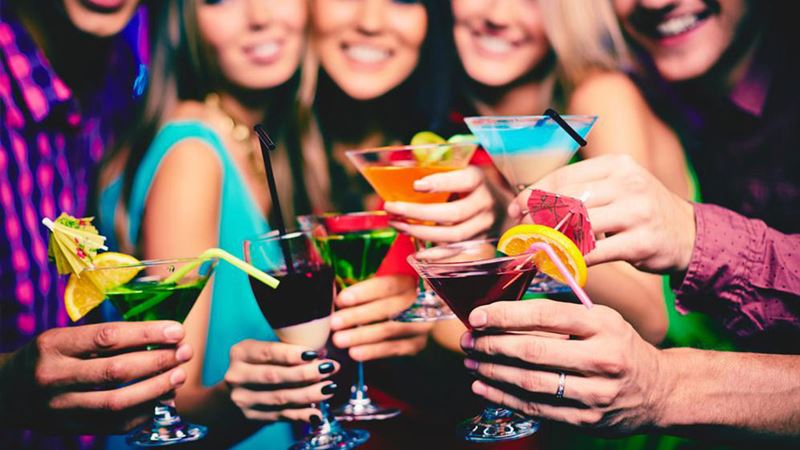
Beverages play a vital role in our social interactions, daily routines, and even health. Whether you're celebrating a special occasion, relaxing at home, or simply looking for a refreshing drink, understanding the variety of drinks available can help you make informed choices. From traditional alcoholic beverages to nourishing non-alcoholic options, this comprehensive guide explores the most popular drinks worldwide, their origins, benefits, and ideal occasions for consumption.
Joining the beverage world means discovering a spectrum of options, each with its unique flavor profile and cultural significance. Let’s delve into the most common types of alcoholic and non-alcoholic drinks, their characteristics, health implications, and tips on enjoying them responsibly.
Popular Alcoholic Beverages and Their Characteristics
- Beer: The Ancient Brew That’s Still a Favorite
Beer is undoubtedly one of the oldest and most widely consumed beverages globally. Its origins trace back thousands of years, with archeological evidence suggesting that early civilizations brewed beer from grains like barley and wheat. Modern-day beer is brewed using fermented grains, hops, yeast, and water, resulting in a beverage with diverse styles—lager, ale, stout, and pilsner among them.
Beer’s popularity stems from its refreshing nature, social appeal, and versatility. It pairs well with a variety of foods and is often associated with gatherings, sports events, and casual hangouts. Moderate beer consumption can also have potential health benefits, such as reducing the risk of cardiovascular diseases due to antioxidants present in hops and malt.
- Wine: The Symbol of Elegance and Sophistication
Wine is often regarded as the most refined alcoholic beverage, steeped in history and tradition. Made primarily from fermented grapes, wine boasts a rich aroma and complex flavor profile that varies according to grape variety, region, and aging process. The most common types are red, white, rosé, and sparkling wine.
Many cultures incorporate wine into their dining customs, especially after meals, believing it facilitates digestion and enhances the culinary experience. Besides its cultural significance, wine contains antioxidants like resveratrol, which has been researched for its potential health benefits, such as improving heart health when consumed in moderation.
Premium wine tasting and pairing can elevate your dining experience, making wine a versatile beverage for celebrations and fine dining.
- Whiskey, Rum, Brandy, Gin, Tequila: The Intense and Bold Hard Liquors
Hard liquors, also called spirits, are distilled beverages with a higher alcohol concentration. They include popular options like whiskey, rum, brandy, gin, and tequila. Each has a unique distillation process, flavor profile, and cultural heritage.
Whiskey, often enjoyed neat, has smoky, woody flavors, while rum—made from sugarcane—ranges from light to dark varieties. Brandy, distilled from fermented fruit juice, offers smooth, warming notes. Gin is known for its juniper flavor, and tequila, made from the agave plant, is essential to Mexican culture.
These beverages are generally consumed responsibly in small quantities due to their potency. They are suitable for cocktails, neat servings, or on the rocks, adding flavor and flair to social gatherings or special occasions.
- Cider: The Apple-Based Refreshment
Cider is a beverage derived from the fermentation of apple juice. Often associated with autumn and harvest festivals, cider offers a sweet, tangy, and sometimes bubbly alternative to beer and wine.
Health-wise, cider contains natural antioxidants from apples, which may support heart health and reduce oxidative stress—when consumed in moderation. Its versatility makes it suitable for casual drinking, picnics, and festive parties alike.
Non-Alcoholic Beverages for Every Preference
- Fruit Juices: Nature’s Sweet Elixirs
Fruit juices are among the most popular non-alcoholic drinks, appreciated for their delicious flavors and health benefits. From mango and orange to apple and pomegranate, these juices are rich in vitamins, antioxidants, and minerals. Freshly squeezed juices provide maximum nutritional value, while commercially processed ones offer convenience.
These beverages are excellent choices for hydration, boosting immunity, and providing a healthy energy boost throughout the day.
- Tea: The Ancient Relaxation Ritual
Tea has been a staple beverage across cultures for thousands of years. Whether black, green, white, or herbal, tea is revered for its calming properties and health benefits. It contains antioxidants and other bioactive compounds believed to reduce stress, improve mental alertness, and support overall wellness.
Typically enjoyed hot, tea can also be served iced or flavored with herbs and fruits, making it a versatile drink suitable for any time of day or mood.
- Milk: The Nourishing Habit
Milk is a fundamental beverage known for its rich mineral content, including calcium, potassium, and vitamin D. It is crucial for bone health, especially in children and older adults. Milk can be consumed plain, flavored, or incorporated into various recipes and beverages like smoothies and cappuccinos.
Scientific studies have linked regular milk consumption with improved bone density and immune support, making it an essential element of a balanced diet.
- Coffee: The Energizer for Your Mornings
Few beverages are as iconic as coffee. Known for its stimulating effects, coffee contains caffeine, which enhances alertness and reduces fatigue. Originating from Ethiopia and popularized worldwide, coffee is now a global cultural phenomenon.
Beyond its energizing properties, coffee is rich in antioxidants and offers numerous health benefits when consumed responsibly. From espresso to latte to cold brew, there are countless ways to enjoy this beloved beverage, often serving as a morning ritual or social activity.
Conclusion: Making Informed Beverage Choices
Understanding the variety of alcoholic and non-alcoholic beverages available empowers you to make smarter choices that align with your health, taste, and occasion. Whether you prefer a glass of wine, a pint of beer, a refreshing juice, or a warm cup of tea, selecting the right beverage enhances your experience and supports your well-being.
Next time someone asks, “What’s your poison?”, you’ll be equipped to respond confidently with knowledge and appreciation for the diverse world of drinks. Remember, moderation is key to enjoying your favorite beverages responsibly and healthily.