
The Comprehensive Guide to Yoga: Unlocking Mind, Body, and Spirit Harmony
Discover the comprehensive world of yoga in this extensive guide, covering its origins, various styles, essential practices like pranayama and meditation, and the vast health benefits. Learn how yoga can improve your physical fitness, mental clarity, and emotional stability, making it an invaluable addition to your daily routine. This article also offers practical insights on choosing the right style for your needs and integrating yoga into a balanced lifestyle for lasting wellness.
Understanding Yoga: Origins and Philosophy
Yoga's origins trace back thousands of years to ancient India, where it was developed as a spiritual discipline aimed at uniting the individual consciousness with universal consciousness. The word 'yoga' derives from the Sanskrit root 'yuj,' meaning 'to unite' or 'to yoke.' Traditionally, yoga encompasses eight limbs, known as Ashtanga, which include ethical principles, physical postures, breath control, sensory withdrawal, concentration, meditation, and ultimate absorption (samadhi).
Modern yoga has evolved into various styles, each emphasizing different aspects of the practice—from vigorous physical postures to calming meditation techniques. Regardless of style, the core goal remains: to cultivate harmony between body, mind, and spirit.
Common Types of Yoga and Their Characteristics
- Hatha Yoga: The foundational form of yoga focusing on physical postures and breathing. It is ideal for beginners seeking a gentle start.
- Vinyasa Yoga: Known for its flowing sequences synchronized with breath, it offers a dynamic workout that enhances endurance and flexibility.
- Ashtanga Yoga: A rigorous style involving a fixed sequence of postures, suitable for practitioners looking for discipline and strength building.
- Kundalini Yoga: Emphasizes awakening dormant energy through meditation, breathwork, and movements to elevate spiritual awareness.
- Bikram Yoga: Practiced in heated rooms, this style involves a series of 26 postures designed to detoxify and stretch muscles.
- Restorative Yoga: Focuses on gentle postures supported by props to promote deep relaxation and stress relief.
- Iyengar Yoga: Known for its meticulous alignment and use of props, it is excellent for healing injuries and improving posture.
Fundamental Practices in Yoga
At the heart of yoga are several foundational practices, each contributing uniquely to the overall benefits. Let's explore some of the most essential:
Breathing Techniques (Pranayama)
Pranayama, meaning 'control of prana' or life force, involves various breathing exercises that regulate airflow and energy. Proper breath control increases oxygen intake, calms the nervous system, and prepares the mind for meditation. Techniques such as alternate nostril breathing (Nadi Shodhana), diaphragmatic breathing, and victorious breath (Ujjayi) enhance mental clarity and physical vitality.
Meditation (Dhyana)
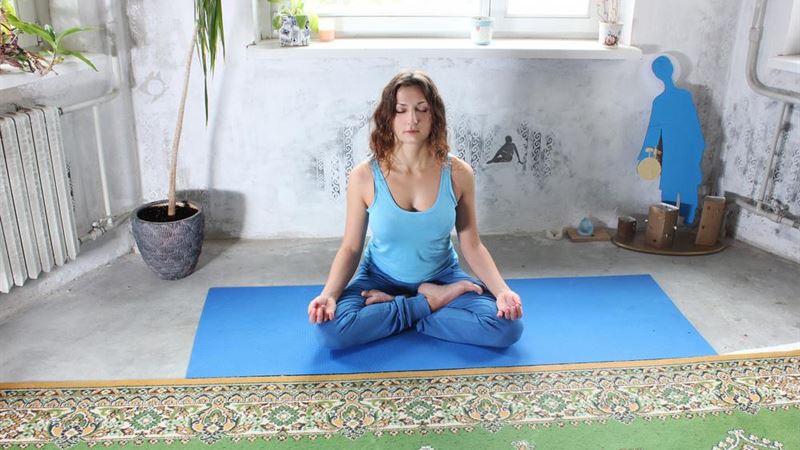
Meditation is a practice of focused attention that promotes mental stillness and emotional stability. Regular meditation reduces stress, improves concentration, and fosters a sense of inner peace. It can be practiced seated, lying down, or even during gentle yoga postures, making it accessible for everyone.
Asanas (Physical Postures)
Yoga postures, or asanas, are designed to improve flexibility, strength, balance, and resilience. They also stimulate organ function and promote better posture. From standing poses like Warrior (Virabhadrasana) to seated stretches like Forward Bend (Paschimottanasana) and inversions such as Shoulder Stand (Sarvangasana), each posture has specific health benefits.
When practiced mindfully, asanas help release tension, improve circulation, and prepare the body for deeper meditation and spiritual practices.
The Practical Benefits of Incorporating Yoga into Your Lifestyle
Yoga offers a wide spectrum of benefits that extend beyond physical fitness, making it a versatile discipline suitable for all ages and fitness levels. Let's delve into some of the profound health and mental advantages it provides:
- Stress Reduction and Mental Calmness: Regular yoga practice helps lower cortisol levels, the hormone associated with stress. The combination of breathwork and mindfulness cultivates a relaxed mental state, reducing anxiety and depression.
- Improved Physical Health: Yoga enhances flexibility, strength, and balance. It can help alleviate chronic pain conditions such as lower back pain, arthritis, and migraines.
- Enhanced Cardiovascular Health: Certain styles like Vinyasa and Power Yoga provide cardiovascular benefits by increasing heart rate and improving circulation. Breathing exercises support healthier blood pressure levels.
- Better Respiratory Function: Breath control techniques strengthen the lungs and promote deeper, more efficient breathing, which is beneficial for conditions like asthma.
- Weight Management and Metabolism: Active styles of yoga stimulate metabolic processes, aid in fat burning, and promote lean muscle development. Specific poses like the Cobra (Bhujangasana) and Bow (Dhanurasana) support thyroid function and hormone regulation.
- Improved Posture and Spinal Health: Yoga postures promote proper alignment, relieving tension caused by poor posture habits, and preventing spinal issues.
- Enhanced Flexibility and Muscle Strength: Regular stretching and strength-building postures prevent injuries and support mobility as we age.
- Support for Mental Clarity and Focus: The meditative aspects of yoga sharpen concentration, improve memory, and foster emotional resilience.
Yoga as an Integral Part of a Healthy Lifestyle
Incorporating yoga into daily routines can be transformative. Whether as a morning ritual to awaken the mind and body, a mid-day break to relieve tension, or an evening practice to wind down, yoga adapts easily to individual schedules. Combining asanas with breathing exercises and meditation amplifies the benefits, creating a holistic approach to health.
Besides physical health, yoga encourages mindful living, proper nutrition, adequate rest, and positive emotional habits. It also fosters community through group classes and spiritual connection through advanced practices like mantra chanting and deep meditation.
For beginners, starting with simple flows and breathing routines is advised, gradually progressing to more complex postures and meditation techniques. The key is consistency and mindfulness, allowing the practice to evolve naturally over time.
Choosing the Right Yoga Style for Your Needs
Understanding your personal health goals, physical condition, and spiritual aspirations will guide you in selecting the most suitable yoga style. Consulting experienced instructors and attending introductory classes can provide clarity and confidence in your practice.
Remember, Yoga is a journey of self-discovery and self-care. Embrace it with patience, dedication, and an open mind to experience its profound benefits fully.