
Comprehensive Guide to DNA Testing: Safety, Types, and Considerations
This extensive guide explores the various types of DNA testing, their safety considerations, limitations, and best practices for ensuring accurate, secure, and ethical genetic analysis. Learn how DNA testing impacts health, forensics, and personal insights while understanding the risks and protective measures. Essential for anyone considering genetic tests, the article emphasizes informed decision-making, provider credibility, and the importance of professional counseling to navigate the complex implications of genetic information safely.
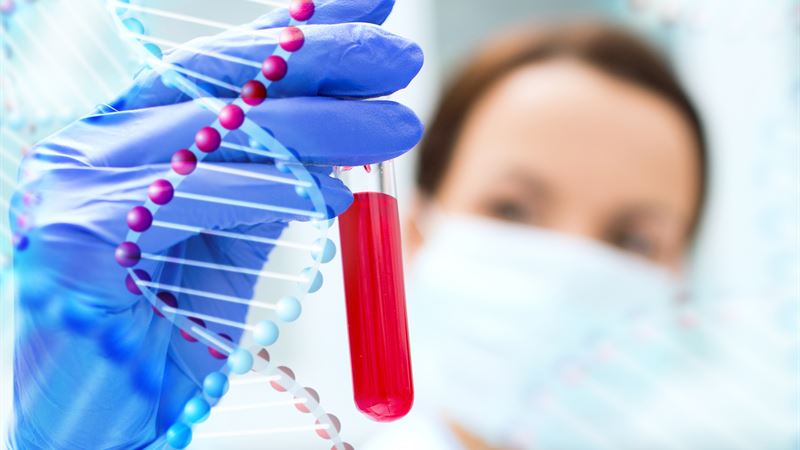
DNA testing has become an essential part of modern medicine, forensic science, and personal health management. Whether it's to diagnose genetic disorders, understand ancestry, or investigate criminal cases, DNA analysis serves a broad spectrum of purposes. Despite its numerous benefits, many individuals are concerned about the safety and accuracy of such tests. This comprehensive guide explores the various types of DNA testing, their safety concerns, limitations, and how to ensure safe and reliable results.
Understanding DNA Testing and Its Applications
DNA testing involves analyzing an individual’s genetic material to gather information about their health, ancestry, or identity. It encompasses a variety of testing methods, each designed for specific purposes and contexts. Below, we delve into the most common types of DNA tests and their significance in healthcare, forensics, and personal knowledge.
1. Newborn Screening: Early Detection for Better Outcomes
Every year, millions of newborns undergo genetic screening shortly after birth. The main goal of this test is to identify rare but serious genetic disorders that can be managed effectively if diagnosed early. Conditions such as phenylketonuria (PKU), which impairs mental development, and congenital hypothyroidism, a defect in thyroid gland function, are common targets of newborn screening programs. Early detection allows for immediate interventions, significantly improving a child's quality of life and reducing long-term health complications.
2. Prenatal Genetic Testing: Assessing Risks During Pregnancy
Pregnancy-related DNA testing is vital for assessing the health of the developing fetus. These tests analyze genetic material from the mother and often use samples such as amniotic fluid or chorionic villus sampling (CVS). Prenatal testing can detect chromosomal abnormalities like Down syndrome, Edward syndrome, or Patau syndrome, and gene mutations that could lead to inherited disorders. Concerns about safety primarily revolve around the slight risks involved, such as miscarriage, but the benefits of early diagnosis often outweigh these risks for many prospective parents.
3. Carrier Screening: Identifying Hidden Risks
Carrier testing is recommended for individuals with a family history of genetic diseases or belonging to ethnic groups with higher incidences of certain disorders. This test helps identify carriers—individuals who carry a gene mutation linked to diseases like cystic fibrosis, Tay-Sachs, or sickle cell anemia. When two carriers of the same mutation have a child, there’s a 25% chance the child may inherit the disorder. Knowing carrier status allows for informed reproductive choices and early intervention planning.
4. Preimplantation Genetic Testing (PGT): Improving IVF Outcomes
For couples undergoing in-vitro fertilization (IVF), preimplantation genetic testing offers an opportunity to select healthy embryos free from specific genetic abnormalities. Embryos created via assisted reproductive techniques are biopsied, and genetic analysis ensures only the most viable and genetically normal embryos are implanted. While PGT can significantly reduce the risk of genetic disorders, ethical considerations and technical limitations must be thoroughly understood before opting for such testing.
5. Predictive and Presymptomatic Testing: Preparing for Future Risks
This form of testing aims to identify gene mutations associated with adult-onset or late-inheritance diseases, such as certain cancers or neurodegenerative conditions. Individuals with a family history of such disorders can learn about their risks before symptoms manifest, aiding in early management or preventive measures. However, the psychological impact of knowing about potential future health issues necessitates careful counseling.
6. Forensic DNA Testing: Solving Crime Cases
In criminal investigations, DNA sequencing is utilized to identify suspects, victims, or locate missing persons. This form of testing does not diagnose diseases but plays a crucial role in law enforcement by providing reliable identification based on unique genetic markers. While highly accurate, forensic tests do have limitations, and results are often used in conjunction with other evidence to build cases.
Limitations and Accuracy of DNA Testing
Despite advancements, DNA testing is not infallible. Certain tests, especially ancestry or genealogy-related analyses, provide highly probable results rather than definitive conclusions. Similarly, forensic DNA evidence can sometimes lead to false positives or negatives, especially if samples are contaminated or degraded.
Medical genetic tests may miss certain mutations or produce ambiguous results, which require careful interpretation by qualified professionals. It's essential for individuals to understand that DNA testing provides probabilities and insights rather than absolute answers, and follow-up testing or consultations may be necessary.
Is DNA Testing Safe? An In-Depth Look
Generally, DNA testing involves minimal physical risks, primarily because it requires only a small blood sample or saliva collection. These procedures are straightforward, non-invasive, and performed in laboratory settings, making physical harm exceedingly rare.
However, the safety discussion becomes nuanced when considering prenatal testing. Procedures like amniocentesis or CVS involve inserting a needle into the uterus to obtain fetal tissues, which carries a small but notable risk of miscarriage—typically less than 1%. Expectant parents should weigh the risks against the benefits with their healthcare providers.
Beyond physical risks, emotional and social concerns are prevalent. Receiving unexpected or unfavorable results can cause stress, anxiety, guilt, or feelings of helplessness. Financial costs associated with comprehensive testing and subsequent medical care also merit consideration and can pose additional challenges for individuals and families.
Addressing Common Safety Concerns
One of the main worries surrounding DNA testing focuses on privacy and data security. Due to the sensitive nature of genetic information, there is potential for misuse or unauthorized access, which could lead to discrimination or stigmatization in employment, insurance, or social contexts. Ensuring that testing is conducted by reputable organizations with strict data protection policies is essential.
Ethical considerations also arise, especially with regard to incidental findings—unexpected health risks or familial relationships revealed during testing—necessitating informed consent and counseling before proceeding.
Ensuring Safe and Reliable DNA Testing
To maximize safety, individuals should conduct thorough research before choosing a testing provider. Opting for accredited laboratories with transparent privacy policies minimizes risks of data breaches and inaccuracies. Consultation with healthcare professionals or genetic counselors can clarify the purpose of testing, potential outcomes, and limitations, helping individuals make well-informed decisions.
Pre-test counseling is critical to preparing individuals for the possible emotional and social implications of their results. Post-test counseling ensures proper interpretation, guidance, and support following the findings.
What to Know Before Undergoing a DNA Test
Preparation is key for any DNA testing process. Potential participants should understand exactly what the specific test involves, including sample collection procedures and possible risks. Awareness of the scope and limitations of the test helps in setting realistic expectations.
Moreover, understanding legal and ethical issues surrounding genetic data—such as ownership rights and implications for family members—is fundamental. Professional guidance can aid in navigating these complex concerns, especially for tests that have implications beyond personal health, such as ancestry or forensic investigations.
In conclusion, DNA testing is a powerful tool with vast potential benefits but must be approached carefully. By choosing reputable providers, being informed about risks, and seeking expert advice, individuals can safeguard their physical, emotional, and legal interests while harnessing the full potential of genetic information.