
Comprehensive Guide to Effective Hair Loss Treatments for Thicker, Healthier Hair
This comprehensive guide explores natural and medical strategies to combat hair loss effectively. It emphasizes diet, scalp care, styling habits, sun protection, and advanced treatments to restore fuller, healthier hair. Expert tips ensure minimal damage and promote natural growth, providing a holistic approach for those suffering from hair thinning and shedding issues.
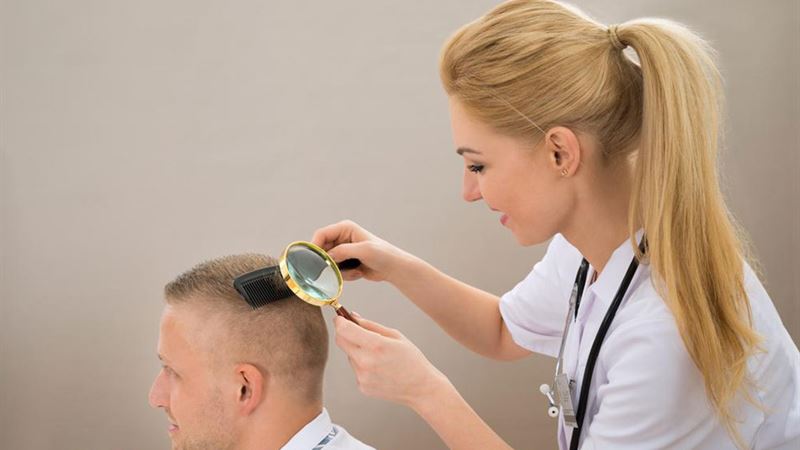
Experiencing excessive hair shedding or noticing noticeable thinning can be distressing. If you're using scarves or hats to conceal your hair loss, it’s time to take proactive steps to restore your locks. Whether your goal is to slow down hair loss or promote new growth, understanding effective strategies is crucial. This extensive guide explores proven methods, lifestyle changes, natural remedies, and advanced treatments designed to help you achieve a fuller, healthier scalp. Dive into expert insights to better understand how to combat hair thinning and revitalize your hair health.
Adapting Your Lifestyle for Reduced Hair Loss
Prioritize a nutrient-rich diet
Your hair’s health is directly linked to your nutritional intake. Protein forms the backbone of hair structure, comprising over 90% of hair tissue. Incorporate high-quality protein sources such as lean poultry, fish, eggs, organ meats like liver, shellfish like oysters, and plant-based options including beans, lentils, nuts, and seeds like walnuts and pistachios. These foods supply essential amino acids necessary for hair growth. Additionally, nutrients like iron, vitamin B12, and zinc are vital for maintaining strong and resilient hair. Foods rich in these nutrients—such as spinach, citrus fruits like tangerines, amla berries, guava, and barley—can bolster hair follicles and stimulate growth. Avoid excessive consumption of processed foods loaded with sugar, diet sodas, fried items, and excessive alcohol, as they can impair scalp health.
Incorporating natural ingredients and wholesome foods is one of the most effective natural treatments for preventing further hair loss. Steer clear of crash diets or severe calorie restrictions which divert energy from hair follicle maintenance to vital organs like the heart and brain. Instead, focus on balanced meals that nourish your body comprehensively, supporting hair regeneration from within.
Scalp Care and Proper Hair Handling
Regular scalp massage stimulates blood circulation, delivering more oxygen and nutrients to hair follicles, thereby supporting healthier growth. Use gentle, circular motions during shampooing to massage your scalp without causing stress to the hair roots. When washing your hair, avoid rough towel drying or aggressive combing while the hair is wet—wet strands are particularly fragile and prone to breakage. Instead, gently pat your hair dry with a soft towel, then wait until your hair is completely dry before detangling with a wide-tooth comb. Proper handling minimizes mechanical stress, preventing unnecessary hair loss.
Styling Techniques and Hair Products: What to Avoid
Excessive heat styling tools such as blow dryers, curling irons, and flat irons can weaken hair fibers and cause breakage over time. Keep their use minimal, ideally only a few times weekly, and always at the coolest possible temperature. When coloring or applying chemical treatments, opt for safer, ammonia-free formulations and consult professionals to minimize damage. Avoid hairstyles that exert high tension on the scalp, such as tight ponytails, buns, or braids, which can cause traction alopecia. Loosen up hairstyles to distribute tension evenly and give your scalp a break from tightness. Remember, the goal is to style creatively without compromising hair integrity.
Temperature and Shower Habits
Hot water dehydrates hair strands and strips away natural oils, leaving hair dry, brittle, and prone to shedding. Take warm showers instead, keeping water temperature comfortable yet not overly hot. This helps retain your scalp’s natural moisture and prevents excess oil production. Maintaining a balanced scalp environment is key to reducing hair fall and promoting healthier growth.
Addressing Scalp Itchiness and Infections
Persistent scalp itchiness can be a precursor to hair loss. Conditions like dandruff, fungal infections, or scalp psoriasis often cause irritation. Treat these issues with specialized dandruff shampoos containing active ingredients like ketoconazole or zinc pyrithione. For persistent problems, seek medical advice to diagnose underlying causes and receive appropriate treatment. Keeping your scalp clean and healthy prevents damage to hair follicles and minimizes shedding.
Sun Protection for Hair and Scalp
Ultraviolet rays can weaken hair fibers, making them more brittle and susceptible to breakage. When outdoors, wear a wide-brimmed hat or use a scarf to shield your hair from direct sunlight. This simple step protects your scalp from UV damage and retains the elasticity and strength of your hair strands.
Medication and Hair Loss
Certain medicines influence hair health, either temporarily or permanently. Drugs like antihypertensives, oral contraceptives, antidepressants, anti-anxiety medications, and chemotherapy are known to cause hair thinning. If you suspect your medication is contributing to hair loss, consult your healthcare provider before making changes. They may recommend alternative treatments or suggest ways to mitigate side effects while managing your health.
Advanced Hair Restoration Options
When natural remedies and lifestyle adjustments aren’t sufficient, surgical procedures offer effective solutions for hair regrowth. Hair transplant surgeries involve relocating healthy hair follicles from donor areas to balding regions, providing permanent results. Other techniques include scalp reduction and grafting, tailored to individual needs. These procedures are performed by experienced specialists and require thorough consultation to determine the most suitable approach based on the degree and pattern of hair loss.