
Effective Strategies for Removing Ingrown Hair in the Bikini Region
Learn effective methods to safely remove ingrown hairs from the bikini area. This comprehensive guide offers tips on stopping hair removal temporarily, using tweezers carefully, exfoliating regularly, and seeking medical treatment if needed. Prevent irritation, infection, and persistent ingrowth with expert advice designed for sensitive skin around the bikini region. Discover how proper care and gentle techniques can restore smooth, healthy skin and reduce future ingrown hairs for a more confident, irritation-free bikini experience.
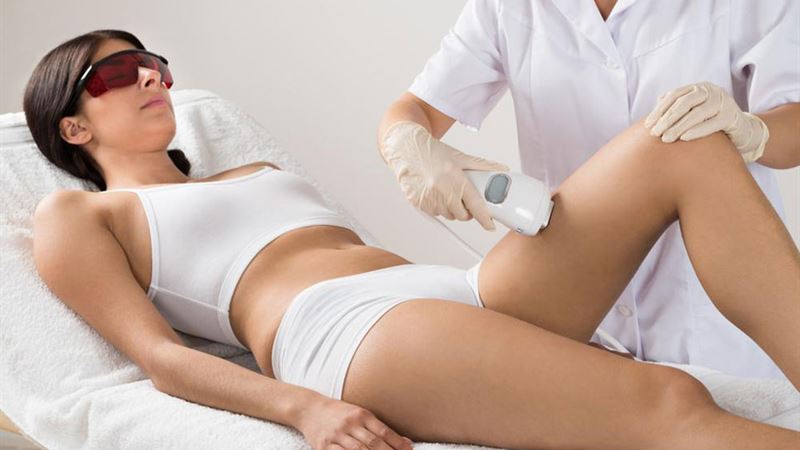
Pause Hair Removal Temporarily – One of the primary steps to address ingrown hairs is to cease all hair removal activities for a period. For individuals experiencing an abundance of ingrown hairs, continuous waxing, shaving, or depilatory use can exacerbate the issue. Frequent hair removal can damage hair follicles and skin, leading to misdirected hair growth beneath the surface or curling back into the skin. Hence, limiting or stopping these methods allows the skin to recover, reducing the likelihood of new ingrown hairs forming.
Opt for Gentle Extraction with Tweezers – For precise removal of ingrown hairs, sterile tweezers or a fine needle can be employed. Carefully grasp the hair's tip with the tweezers and gently pull it out, taking care not to cause skin trauma. Using a magnifying glass can aid in locating tiny ingrown hairs, especially in sensitive areas where they are less visible. Always ensure hands and tools are sanitized to prevent infections. This method is suitable for superficial ingrown hairs that have broken through the skin but remain embedded beneath the surface.
Regular Exfoliation – Exfoliating the skin is a vital component in preventing and alleviating ingrown hairs. Using a gentle scrub with fine particles or a chemical exfoliant like salicylic acid helps remove dead skin cells and unclog hair follicles. Apply the exfoliant on the affected area and use soft, circular motions with a gentle brush or sponge. This process encourages the trapped hair to emerge naturally and smoothens the skin surface, reducing irritation and further ingrowth.
If over-the-counter methods do not suffice, consulting a healthcare professional is advisable. Dermatologists can prescribe medicated creams or ointments containing ingredients such as tretinoin or antibiotics to reduce inflammation and promote healing. In cases where infection or persistent ingrowth occurs, professional treatments like laser hair removal, electrolysis, or those involving minor surgical procedures may be recommended for long-term resolution. Always adhere to medical advice to minimize risks and achieve optimal results.